
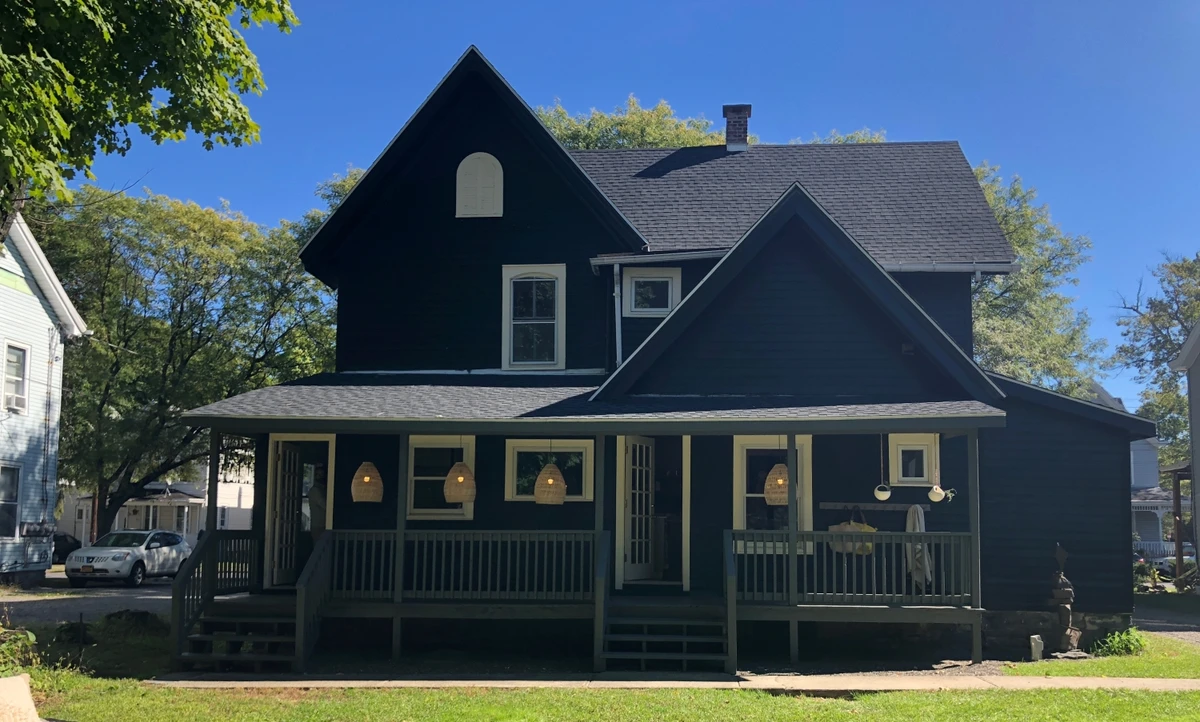
LittleCozyDen.com – Exterior home color trends for 2023 continue to emphasize timeless neutral bases such as gray, white, and beige, which dominate contemporary residential palettes across various architectural styles. This year, these neutral foundations are increasingly enhanced by bold and earthy accent hues including warm mustard yellow, soft yellow, and deep charcoal, reflecting a nuanced shift toward more expressive yet sophisticated exterior aesthetics. Two-tone exteriors combining complementary neutrals with darker trims are gaining traction, creating visual depth and architectural interest. Notably, accent trims and doors in black high-gloss finishes are replacing traditional white, adding modern contrast and elevating curb appeal. These trends align with evolving homeowner preferences for durable, weather-resistant paints that balance style with functionality in diverse regional climates.
Gray remains the most popular neutral base for exterior homes, with Benjamin Moore’s Graphite and Sherwin-Williams’ Iron Gray leading the category due to their versatility and ability to complement multiple architectural styles from Victorian to ranch. These shades provide a contemporary yet classic backdrop that can be paired seamlessly with both light and dark accents. White exterior colors such as Benjamin Moore’s Super White and White Dove continue to be favored for their clean, fresh appearance and capacity to brighten façades, especially in coastal and tropical regions where sunlight intensity demands reflective surfaces. Beige and taupe tones offer subtle warmth and adaptability, making them preferred options in transitional neighborhoods and historic districts seeking understated elegance.
Bold accent colors are defining the exterior color narrative in 2023. Black and charcoal hues, exemplified by Behr’s Black Satin and Kendall Charcoal from Sherwin-Williams, deliver dramatic yet warm highlights on window trims, doors, and shutters. Unlike colder industrial blacks of previous years, these shades imbue sophistication and depth without overwhelming the natural environment. Mustard yellow accents are gaining popularity particularly on stucco homes in warm climates, contributing a sense of luxury and vibrancy that complements earth-inspired palettes. Soft yellow paint, meanwhile, is appreciated for its welcoming, cheerful effect across diverse architectural styles, from cottages to modern builds, enhancing curb appeal through subtle warmth.
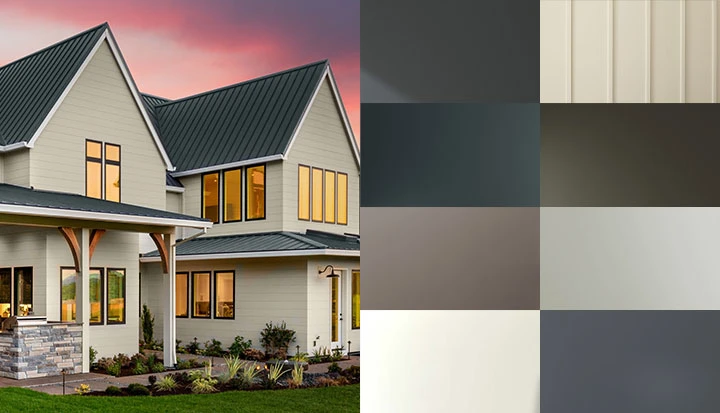
Two-tone exterior designs are evolving beyond simple contrasts toward refined combinations that emphasize harmony and architectural lines. Homeowners and designers increasingly combine light grays with deep charcoals or pair beige bases with rich brown accents to articulate textured façades and highlight structural features. This approach not only adds dimension but also helps in breaking up large surfaces, preventing monotony and enhancing neighborhood streetscapes. The trend toward two-tone exteriors is supported by advances in durable, weather-resistant paints that maintain color integrity over time, ensuring long-lasting visual impact.
The shift in accent trim trends marks a significant departure from traditional white. Black high-gloss trims and doors are now preferred for their ability to frame architectural details sharply while providing a modern edge. This trend is evident in both new constructions and remodeling projects where homeowners seek to maximize curb appeal through bold yet refined contrasts. The use of black high-gloss finishes on trims enhances reflections and depth, creating dynamic visual effects under varying light conditions. This change also aligns with broader design movements favoring minimalism and monochromatic schemes, where accent elements serve as focal points.
Regional preferences significantly influence exterior color selections, reflecting climatic conditions and cultural aesthetics. In the Northeast, darker neutral palettes such as deep grays, charcoals, and muted earth tones prevail, resonating with the region’s historic architectural vernacular and seasonal lighting. Coastal areas favor lighter, more reflective shades like Super White and soft yellows to combat sun exposure and salt air effects. Tropical and southwestern regions show increased affinity for mustard yellow and warm terracotta hues, complementing stucco textures and desert landscapes. Architectural style also guides color choice: Victorian homes often incorporate rich, layered palettes with mauve and deep brick red accents, while ranch-style residences lean toward neutral bases with black or charcoal trims for a modernized rustic look.
Expert recommendations emphasize selecting exterior colors that harmonize with architectural style, local environment, and long-term maintenance considerations. For example, homeowners in humid or coastal climates are advised to choose high-quality, durable finishes that resist fading and mildew, such as those offered by Behr and Sherwin-Williams. Yardzen’s practical design applications demonstrate how layering color palettes with complementary accent trims can highlight architectural features like gables, window casings, and porches, significantly improving overall curb appeal. Additionally, experts suggest incorporating color psychology insights, where warm earth tones evoke comfort and stability, while neutral shades convey timelessness and sophistication, influencing homeowner satisfaction and property resale value.
| Color Category | Popular Paint Colors | Architectural Styles | Regional Preferences | Typical Use |
|---|---|---|---|---|
| Neutral Bases | Graphite, Super White, White Dove, Cobble Stone, Iron Gray | Victorian, Ranch, Cottage, Modern | Northeast, Coastal, Transitional | Primary exterior walls |
| Bold Accents | Black Satin, Kendall Charcoal, Mustard Yellow, Soft Yellow | Stucco, Victorian, Ranch | Southwest, Warm Climates, Tropical | Trim, Doors, Shutters |
| Earthy Tones | Amazon Soil, Mauve, Deep Brick Red | Historic, Craftsman, Victorian | Northeast, Midwest | Accents, Feature Walls |
| Two-Tone Combos | Light Gray + Charcoal, Beige + Rich Brown | Modern, Transitional | Nationwide | Entire exterior with contrasting trims |
The table above illustrates how popular 2023 exterior paint colors align with architectural styles and regional preferences, highlighting practical uses for each category.
In practical applications, Yardzen’s portfolio reveals numerous instances where homeowners enhanced curb appeal by combining Benjamin Moore’s Graphite base with black high-gloss trims and warm mustard yellow doors, successfully balancing modernity with welcoming warmth. Similarly, Sherwin-Williams’ Super White paired with soft yellow accents has been effective in coastal redesigns, offering brightness while maintaining a soft, inviting appearance. These examples underscore how strategic color layering and accent placement contribute to cohesive exterior designs that resonate with both aesthetic and functional demands.
Future trends suggest a continued embrace of two-tone exteriors and bold yet warm accents, driven by advances in paint technology and growing homeowner interest in personalized, statement-making façades that retain resale value. The integration of color psychology with durable, sustainable paint products will likely shape exterior color selection processes, with an emphasis on long-term visual appeal and environmental adaptability.
Yardzen’s exterior paint color trends offer extensive case studies and design insights, while Benjamin Moore’s exterior inspiration gallery provides industry-leading color palettes and expert guidance.
FAQ
What are the most popular exterior house colors in 2023?
The most popular exterior house colors in 2023 are neutral bases like gray (Benjamin Moore’s Graphite), white (Super White, White Dove), and beige. Accent colors such as black, charcoal, mustard yellow, and soft yellow are trendy for trims and doors, creating stylish contrasts and enhanced curb appeal.
How does two-tone exterior paint improve a home’s appearance?
Two-tone exterior paint improves visual interest by combining complementary neutral bases with darker or bolder accent trims. This layering adds depth, highlights architectural details, and prevents monotony on large façades, enhancing both modern and traditional home styles.
Why are black high-gloss trims becoming popular over white?
black high-gloss trims create sharper contrasts and a modern aesthetic compared to traditional white. The reflective quality of high-gloss finishes adds depth and highlights architectural features, contributing to a sophisticated and dynamic exterior look favored by contemporary homeowners.
Are mustard yellow and soft yellow suitable for all architectural styles?
Soft yellow is versatile and suits various architectural styles including cottages, ranches, and modern homes due to its welcoming warmth. Mustard yellow is particularly popular in stucco homes and warm climates, where it evokes luxury and complements earthy palettes.
How do regional climates influence exterior paint color choices?
Regional climates influence color choices by affecting paint durability and aesthetic suitability. Coastal regions favor lighter, reflective colors to manage sun and salt exposure, while colder regions prefer darker neutrals for warmth and traditional appeal. Warm climates often incorporate earthy and bold accents to harmonize with natural surroundings.
This analysis of exterior home color trends in 2023 highlights the evolving interplay between timeless neutrals and bold accents, informed by architectural context, regional influences, and advances in paint technology. Homeowners and designers are encouraged to consider these factors alongside personal preferences to create enduring, attractive exteriors that enhance property value and neighborhood character.