
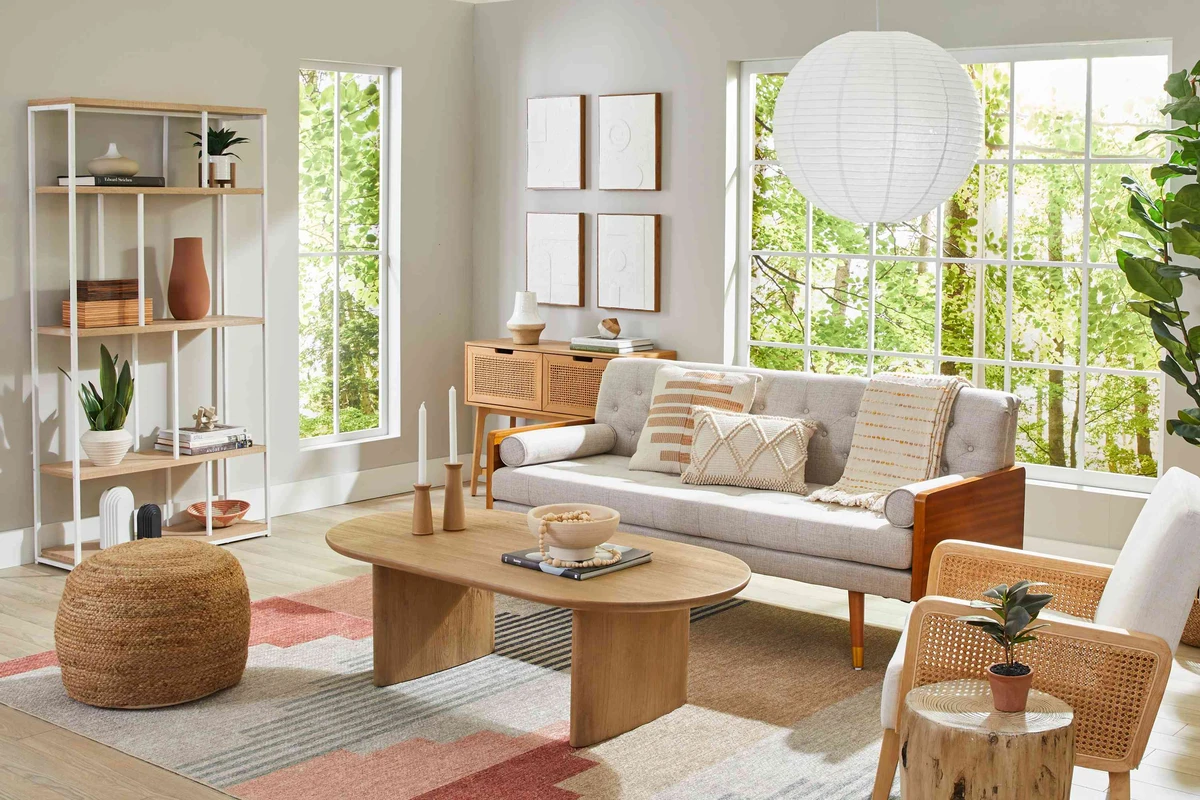
LittleCozyDen.com – Warm minimalist homes are redefining the boundaries of minimalist design by integrating warmth and comfort without compromising simplicity. Contrary to the common perception that minimalism results in cold, sterile spaces, warm minimalism embraces natural materials, gentle lighting, and organic forms to create inviting interiors. Achieving this balance involves strategic upgrades that enhance a minimalist home’s tactile and visual warmth while preserving its clean, clutter-free aesthetic.
Many recent trends in warm minimalist décor emphasize layering natural textures such as wood and linen, which contribute not only to visual interest but also tactile depth. The use of warm lighting within the 2700 to 3000 Kelvin range is recognized as essential to evoke a cozy ambiance, softening the often stark appearance associated with minimalism. Moreover, blending vintage furniture pieces with modern designs introduces patina and character, enriching the space without overwhelming it. These approaches align with organic minimalism principles, which prioritize natural hues, curved architectural features, and the thoughtful use of negative space to maintain openness and calm.
Natural Materials as the Foundation of Warm Minimalism
natural materials form the cornerstone of warm minimalist interiors, providing both visual texture and a sensory connection to nature. Wood, in its various forms—from reclaimed timber to smooth walnut veneers—is a predominant element used to introduce warmth. Its inherent grain patterns and subtle color variations create dynamic surfaces that contrast effectively with minimalist clean lines. Linen textiles, favored for their breathability and soft texture, are frequently layered as upholstery, curtains, or cushions, contributing softness without visual clutter.
Organic minimalism, a design philosophy gaining traction globally, especially in Japandi-style homes, promotes the layering of these natural textures alongside a muted, earthy color palette. Japandi, a fusion of Japanese and Scandinavian minimalism, exemplifies the use of wood, stone, and tactile fabrics to balance minimalism’s simplicity with warmth and functionality. This style employs natural light and materials to enhance the sensory experience, demonstrating that minimalism need not sacrifice comfort.
In contemporary organic minimalism trends observed in the Middle East and Europe, designers emphasize the integration of natural textures with architectural elements such as curved walls and arches. These features soften the rigidity of minimalism and create a more inviting atmosphere while respecting spatial clarity. Incorporating stone surfaces or earthenware ceramics further ties the interior to natural origins, reinforcing the organic minimalist ethos.
Lighting Strategies to Enhance Warmth
Lighting plays an instrumental role in transforming minimalist spaces into warm, inviting homes. Scientific studies on color temperature confirm that lighting between 2700K and 3000K—the warm white spectrum—enhances relaxation and perceived coziness. This contrasts with cooler lighting, which can exacerbate feelings of sterility or impersonality in minimalist interiors.
Upgrading light fixtures to accommodate warm LED bulbs or installing dimmable systems enables homeowners to tailor ambiance throughout the day. layered lighting strategies, including ambient, task, and accent lighting, can highlight architectural features or natural materials, deepening the spatial experience without adding physical clutter. For instance, concealed LED strips under cabinetry or recessed ceiling lights with warm tones maintain minimalist aesthetics while enhancing comfort.
Recent innovations in smart lighting allow for dynamic adjustment of color temperature, further supporting warm minimalist principles. These systems enable shifts from cooler daylight hues during active hours to warmer, softer illumination during evening periods, aligning interior lighting with natural circadian rhythms.
Architectural and Furniture Elements That Soften Minimalist Spaces
Incorporating organic architectural elements such as curves, arches, and sculptural forms introduces softness that counterbalances minimalism’s linear rigor. Curved walls or archways subtly guide visual flow and create intimate zones within open-plan layouts. These features, inspired by nature’s irregular forms, enrich spatial dynamics while maintaining openness.
Furniture selection significantly impacts warmth in minimalist homes. A strategic mix of vintage pieces—characterized by patina and craftsmanship—with sleek modern furnishings creates layered visual narratives. vintage furniture often exhibits tactile fabrics like wool or leather, adding textural contrasts that enliven minimalist palettes. This blend fosters a lived-in feel without clutter, as each piece serves a functional and aesthetic purpose.
Maintaining negative space remains paramount; thoughtful furniture arrangement ensures ample breathing room, preventing overcrowding. Minimalist spatial design advocates for quality over quantity, prioritizing multifunctional items and clear sightlines. This approach preserves the minimalist ethos while enabling warmth through texture and form.
Simple Renovations and Decor Upgrades
Warm minimalist homes can undergo transformative yet cost-effective renovations that avoid extensive remodeling. Repainting walls with soft, warm neutrals—such as creamy beiges or muted taupes—can dramatically shift a room’s tone. Updating hardware on cabinetry and doors to matte brass or brushed bronze introduces subtle warmth and tactile variation.
Textiles such as area rugs made from natural fibers (wool, jute) add grounding layers and acoustic comfort without visual noise. Replacing generic doors with paneled or rounded-edge designs can reinforce organic minimalism’s architectural softness. These incremental upgrades maintain minimalist clarity while enhancing sensory richness.
Incorporating meaningful art and personal objects selectively enriches the minimal interior. Curated artworks with natural themes or handcrafted objects evoke warmth and individuality. The key lies in restraint: each item must serve an emotional or functional purpose to avoid clutter and maintain minimalist integrity.
Balancing Minimalism and Warmth: Avoiding Clutter and Chaos
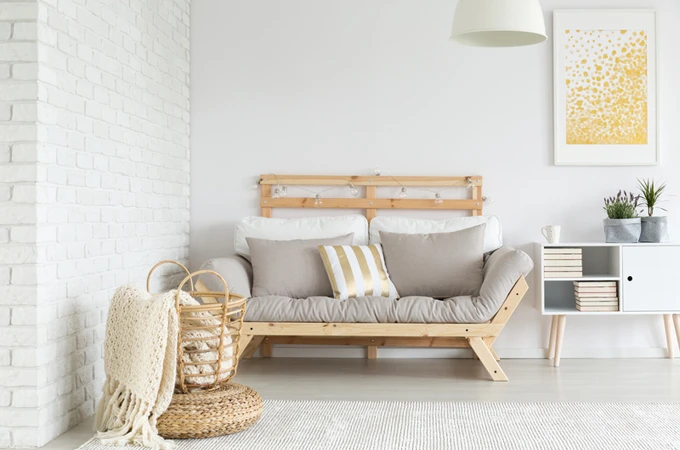
Achieving warmth in a minimalist home requires deliberate spatial design that leverages negative space as a tool rather than a void. Negative space enhances the impact of warm materials and lighting by providing contrast and visual rest. Practitioners caution against over-accessorizing, as excess décor compromises the calming effect and simplicity that minimalism promises.
Selecting high-quality, tactile materials ensures that fewer items can generate greater warmth and interest. For example, a single linen drape combined with a wooden side table can enliven a room more effectively than multiple synthetic accessories. This quality-over-quantity mindset aligns with Francine Jay’s minimalist philosophy, which emphasizes intentionality and functionality.
Moreover, blending styles—such as integrating vintage furniture with modern minimalist pieces—introduces character without increasing clutter. The juxtaposition of old and new enriches narratives within the home, fostering a cozy atmosphere that respects minimalist principles. Ultimately, warmth in minimalism arises from thoughtful layering, balanced proportion, and sensory engagement rather than accumulation.
| Design Element | Warm Minimalist Function | Examples | Impact on Space |
|---|---|---|---|
| Natural Materials | Introduce texture and tactile warmth | Wood flooring, linen cushions, wool rugs | Softens visual austerity; enhances comfort |
| Warm Lighting (2700–3000K) | Creates cozy ambiance; accentuates materials | Warm LED bulbs, dimmable fixtures | Soothes atmosphere; improves spatial perception |
| Organic Architectural Features | Soften lines; create visual interest | Curved walls, arches, sculptural furniture | Breaks monotony; adds intimacy |
| Furniture Mix | Adds character without clutter | Vintage chairs with modern tables | Balances warmth and minimalism |
| Negative Space | Maintains openness and clarity | Minimalist layouts with space around key pieces | Prevents visual chaos; emphasizes materials |
Frequently Asked Questions
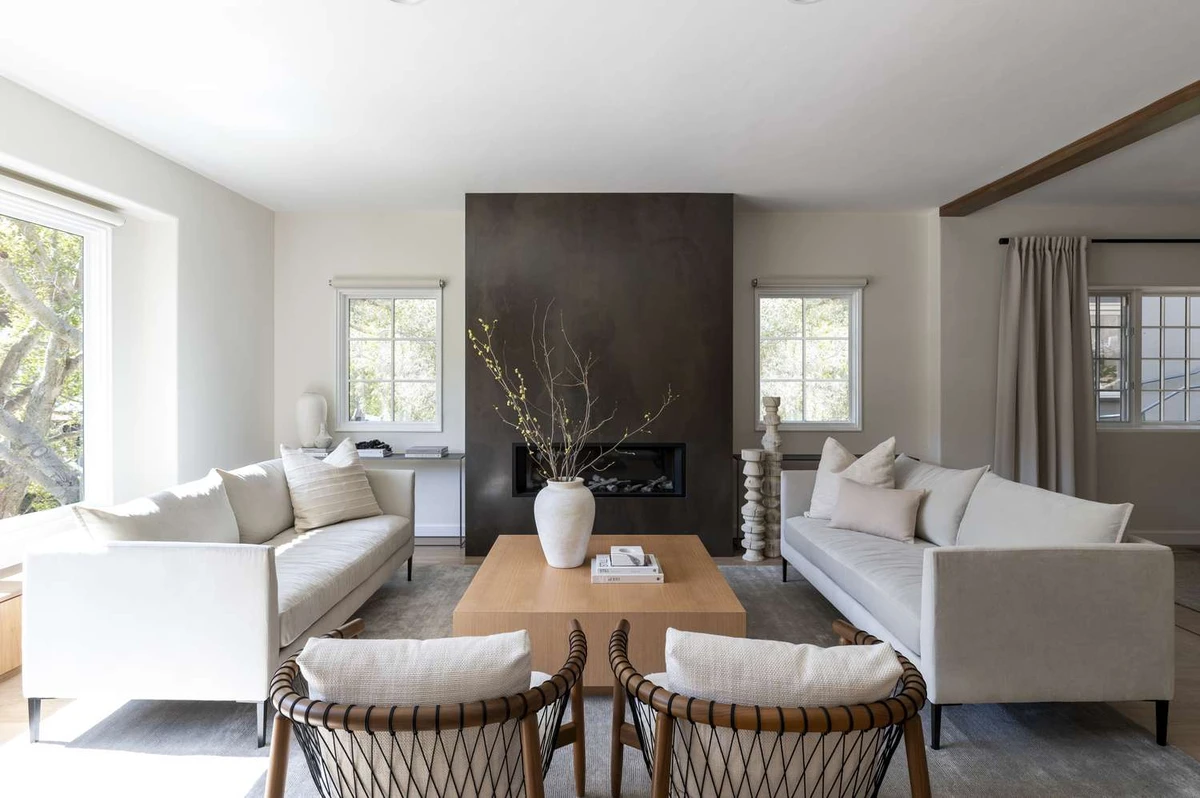
How can lighting transform a minimalist home into a warm space?
Lighting with a color temperature between 2700K and 3000K replicates warm white light that enhances coziness and softens the starkness typical of minimalist interiors. Layered lighting solutions such as dimmable LEDs and accent lights highlight architectural details and natural materials, improving both ambiance and spatial perception.
What natural materials are best for adding warmth to minimalist interiors?
Wood, linen, wool, and stone are among the most effective natural materials for warm minimalism. These materials provide texture, tactile comfort, and visual warmth, aligning with organic minimalism principles that emphasize sensory engagement without clutter.
Is mixing vintage furniture with modern pieces compatible with minimalist design?
Yes, blending vintage furniture with modern minimalist pieces introduces patina and character, enriching the space without compromising minimalism’s clean lines. This mix provides tactile and visual variety while maintaining an uncluttered environment when selected thoughtfully.
How do architectural features like curves and arches affect minimalist spaces?
Curves and arches soften the hard edges typical of minimalist design, creating more inviting and intimate areas within open plans. These organic shapes contribute visual interest and balance while preserving the clarity and spaciousness central to minimalism.
What are simple, cost-effective ways to warm up a minimalist home?
Practical upgrades include repainting walls in warm neutral tones, changing hardware to warm metals, layering natural fiber rugs, and updating lighting fixtures to warm LED bulbs. These changes enhance tactile and visual warmth without extensive renovations or clutter.
warm minimalist design continues to evolve as an accessible, practical approach to adding comfort and character to minimalist homes. Future developments will likely integrate smarter lighting technologies and sustainable natural materials, further harmonizing minimalism’s clarity with organic warmth. Homeowners and designers focusing on texture layering, lighting optimization, and architectural softness can create spaces that embody both serenity and inviting charm.
For further insights on minimalist warmth and organic design, see Francine Jay’s perspective on warming minimalist homes and explore organic minimalism décor ideas in the Middle East.