
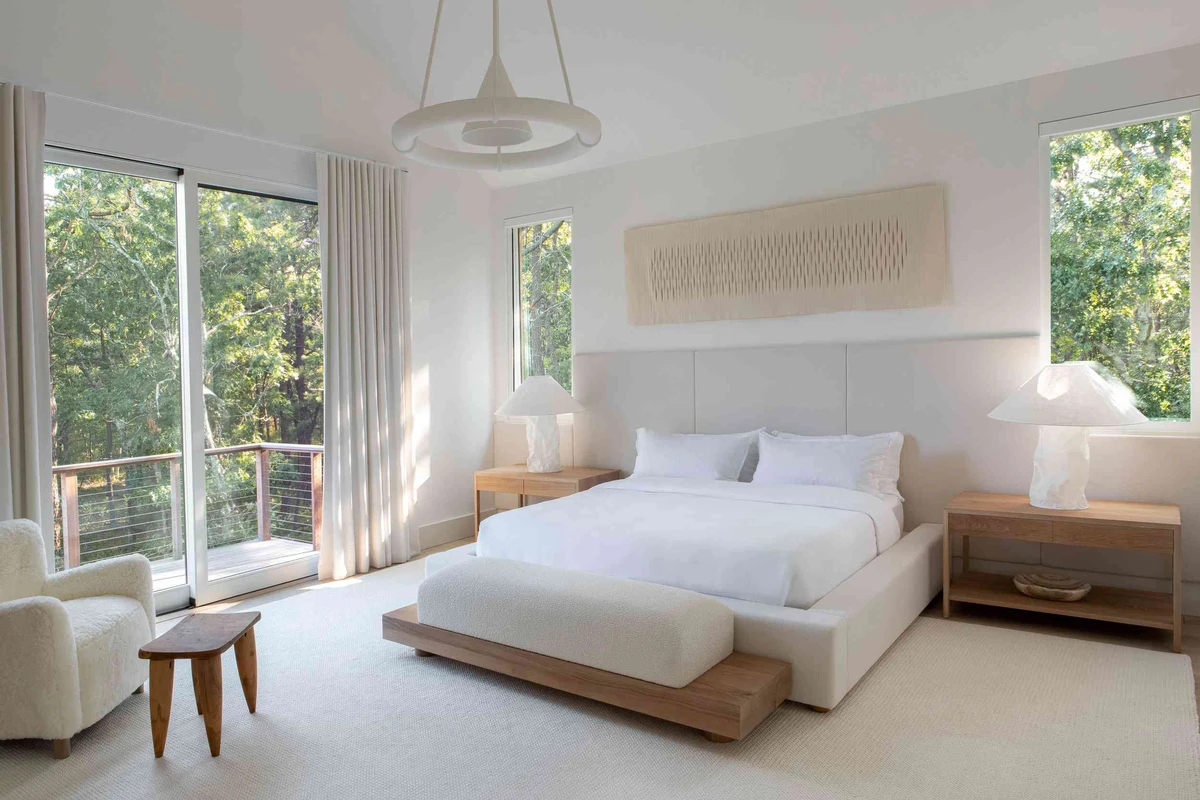
LittleCozyDen.com – Warm minimalist bedrooms have emerged as a compelling interior design trend that balances the restrained elegance of minimalism with the inviting comfort of warm, natural elements. Unlike traditional minimalist spaces that often rely on stark, monochromatic palettes and sparse furnishings, warm minimalist bedrooms emphasize a harmonious blend of neutral and earthy tones, layered textures, and thoughtfully curated decor. This approach creates intimate, cozy sanctuaries that feel lived-in yet uncluttered, responding to growing demand for spaces that nurture well-being without sacrificing simplicity.
Achieving this balance requires deliberate use of color palettes that avoid the sterility of pure white, combined with natural materials such as wood and soft textiles. Furniture choices emphasize clean lines and functionality but are grounded in warmth through materials like blonde oak and burnished leather. ambient lighting plays a crucial role, with dimmed lamps and shaded fixtures casting a gentle glow that enhances texture and depth. Interior designers Jeremiah Brent and Marie Flanigan, known for their expertise in blending minimalism with warmth, advocate for layering fabrics like linen and wool and incorporating artisanal decor objects to evoke personality without clutter.
Color Palettes for Warm Minimalist Bedrooms
Warm minimalist bedrooms rely on nuanced neutral color palettes enriched with warm undertones to foster a sense of comfort. Rather than stark whites or cool grays common in conventional minimalism, designers recommend shades such as beige, cream, taupe, sand, and light brown as foundational hues. These colors establish a soft, inviting backdrop that complements natural materials and layered textiles.
Accent colors drawn from nature—camel, terracotta, blush, rust, and olive green—add depth and visual interest while maintaining cohesion. For instance, a camel-colored wool throw at the foot of a linen-draped bed or terracotta ceramic vases on a bedside table introduce subtle warmth without overwhelming minimalism’s clean aesthetic. Avoiding overly bright or saturated hues preserves the calm atmosphere essential to minimalist design.
This palette strategy counters the coldness often associated with all-white minimalist bedrooms. Architectural Digest highlights that integrating warm tones creates a “lived-in” feel, essential for spaces intended for rest and relaxation. Layering these colors thoughtfully across walls, bedding, and accessories ensures visual harmony and emotional warmth.
Furniture and Materials: Natural Woods and Textures
Wood furniture is foundational to warm minimalist bedrooms, offering both structural simplicity and organic warmth. Blonde oak, cherry wood, and warm-stained hardwoods serve as preferred materials, selected for their natural grain patterns and light to medium warm tones. These woods provide visual warmth while maintaining minimalist principles through streamlined, functional silhouettes.
Burnished leather headboards are another material favored for their tactile richness and subtle sheen, complementing wooden elements while adding a layer of sophistication. Rattan trays and woven baskets introduce natural textures that contrast wood’s hardness and enhance the sensory experience without clutter.
Minimalist furniture emphasizes clean lines and multipurpose design. Beds, dressers, and nightstands often feature slender profiles and minimal ornamentation, ensuring that material quality and texture remain the visual focus. This approach aligns with Scandinavian and mid-century modern influences, where simplicity and functionality converge with natural aesthetic appeal.
Layering Textures and Fabrics for Coziness
texture layering is critical to the warm minimalist bedroom’s inviting atmosphere. Combining different fabric types adds dimensionality and tactile comfort, transforming a simple space into a cozy retreat. Linen, wool, bouclé, and tweed are commonly layered across bedding, cushions, rugs, and drapery.
Linen bedding, prized for its breathable and slightly nubby texture, forms a relaxed base layer. Wool throws introduce softness and warmth, especially in cooler climates or seasons. Bouclé cushions provide plush, tactile contrast with their looped yarn surfaces, while tweed upholstery on chairs or benches adds subtle pattern and weight.
A well-layered bed might include a linen duvet cover, several wool and bouclé cushions, and a handwoven wool blanket folded at the foot. Textured rugs complement layered fabrics, grounding the space and enhancing underfoot warmth. Drapery in natural fibers filters light softly, contributing to the room’s tranquil mood.
Lighting Strategies to Enhance Warmth and Ambiance
Ambient lighting is essential for cultivating the warm, enveloping atmosphere characteristic of warm minimalist bedrooms. Unlike harsh overhead lighting, ambient sources such as dimmers, lampshades, and candles create soft, diffuse illumination that accentuates texture and color.
Dimmable wall sconces and bedside lamps with fabric shades allow occupants to tailor light intensity to mood and time of day. Metallic candleholders, often in brushed brass or matte black finishes, provide decorative points of interest while contributing flickering warmth.
Consistency in wood tones extends to lighting fixtures where possible, ensuring visual cohesion. For instance, bedside lamps mounted on oak or cherry wood bases harmonize with furniture, reinforcing the natural material palette. This layering of light sources supports a dynamic, adaptable environment conducive to relaxation.
Curated Decor Accessories: Personality without Clutter
Decor accessories in warm minimalist bedrooms are carefully curated to add character while preserving simplicity. A mix of contemporary, vintage, and natural objects creates visual interest without overwhelming the space.
Ceramic pottery in earthy glazes, marble bookends, and metallic candleholders serve as subtle focal points on nightstands or shelves. These objects anchor the room’s warm tones and textures, encouraging tactile engagement and aesthetic pleasure.
The key is restraint—selecting a few meaningful pieces that complement the overall palette and material scheme. This approach avoids clutter, maintaining the minimalist ethos while fostering a personalized, inviting environment.
Scandinavian and Mid-Century Modern Influences
Warm minimalist bedrooms draw heavily on Scandinavian and mid-century modern design principles. Both styles prioritize simplicity, clean lines, and functionality, with an emphasis on natural materials and craftsmanship.
Scandinavian interiors contribute the use of light woods, soft textiles, and neutral palettes punctuated by warm accent colors. The integration of greenery and light, sheer fabrics enhances airiness and connection to nature.
Mid-century modern influences appear in furniture forms—tapered legs, organic shapes, and minimal ornamentation—and in the use of rich wood tones and leather. This synergy results in bedrooms that feel contemporary yet timeless, practical yet inviting.
Small Space Optimization in Warm Minimalist Bedrooms

Designing warm minimalist bedrooms in small spaces requires strategic planning to maximize functionality and visual openness. Smart storage solutions, such as under-bed drawers and built-in shelving, reduce clutter and maintain the clean lines essential to minimalism.
Color and lighting techniques amplify perceived space. Using lighter warm neutrals on walls and reflective surfaces like mirrors increases light diffusion and depth. Statement art pieces provide focal interest without overwhelming the room, guiding visual flow.
Layered lighting with adjustable dimmers tailors illumination to different functions, enhancing both practicality and ambiance. These strategies collectively enable small bedrooms to embody warm minimalism without feeling cramped or sparse.
| Design Element | Material/Color | Function/Effect |
|---|---|---|
| Color Palette | Beige, camel, terracotta, blush, olive green | Creates warmth and visual depth, avoids sterility |
| Furniture | Blonde oak, cherry wood, burnished leather | Supports natural warmth and clean lines |
| Textiles | Linen, wool, bouclé, tweed | Adds tactile layering and coziness |
| Lighting | Dimmed lamps, fabric shades, metallic candleholders | Enhances ambiance and highlights textures |
| Decor Accessories | Ceramics, marble, rattan | Infuses personality without clutter |
FAQ

What colors best create a warm minimalist bedroom?
Warm neutrals like beige, cream, taupe, and sand combined with accent tones such as camel, terracotta, blush, rust, and olive green effectively establish a cozy yet minimalist ambiance. These colors avoid the coldness of pure white while maintaining simplicity.
How can I layer textures in a minimalist bedroom without clutter?
Layer textures by combining natural fabrics such as linen bedding, wool throws, bouclé cushions, and tweed upholstery. Incorporate these on the bed, rugs, and curtains in moderate amounts to add depth and softness without overwhelming the space.
What furniture materials are ideal for warm minimalist bedrooms?
Wood furniture in blonde oak, cherry wood, or warm-stained finishes paired with burnished leather headboards and rattan accents provide natural warmth. Furniture should have clean, functional designs to align with minimalist principles.
How does lighting influence the warmth of a minimalist bedroom?
Ambient lighting with dimmers and lampshades casts a soft, inviting glow that enhances textures and warm tones. Incorporating metallic candleholders or shaded lamps helps create a relaxing atmosphere essential for warm minimalism.
Can small bedrooms be designed with warm minimalism effectively?
Yes. Utilizing smart storage solutions, lighter warm neutrals, layered lighting, mirrors, and statement art can optimize space, maintaining warmth and simplicity even in compact bedrooms.
Warm minimalist bedroom design merges the best facets of minimalism and warmth to create serene, inviting retreats. By applying expert principles around color palettes, natural materials, layered textures, and ambient lighting, homeowners can transform their bedrooms into cozy sanctuaries that balance simplicity with personality. This approach aligns with evolving lifestyle trends emphasizing wellness and intentional living, supported by insights from top interior designers like Jeremiah Brent and Marie Flanigan. For further inspiration and detailed design strategies, readers can consult The Spruce’s minimalist bedroom decorating guide and Architectural Digest’s expert tips on minimalist bedroom design.