
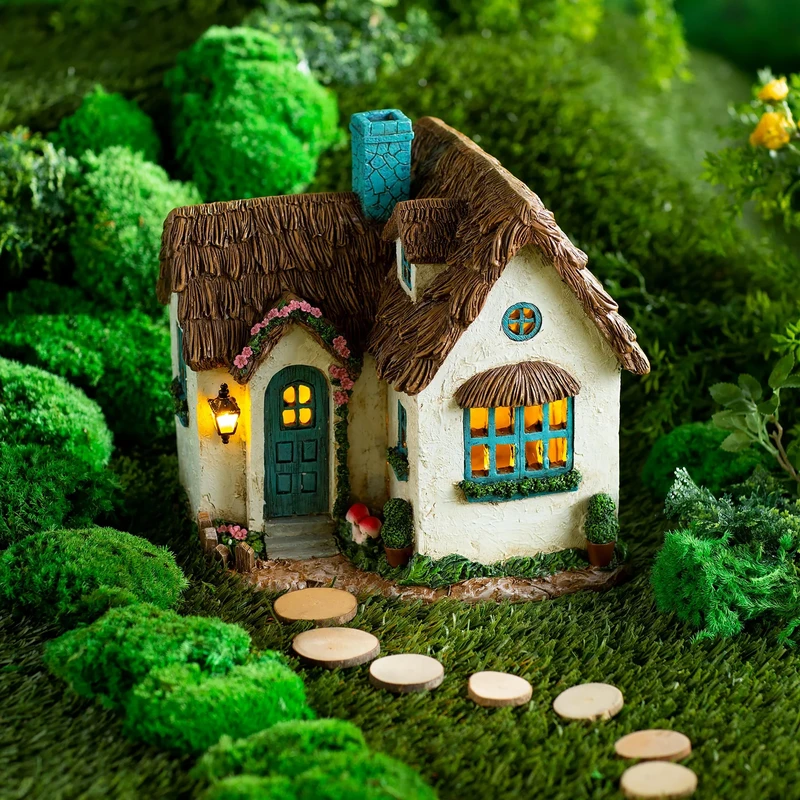
LittleCozyDen.com – eco-friendly cottage decor integrates sustainable furniture and handmade accessories crafted from natural and recycled materials, creating tranquil, vintage-inspired living spaces aligned with environmental responsibility. Leading brands such as Reflektion Design and Amala Earth emphasize artisan craftsmanship and ethical sourcing, while retailers like Decor Steals offer affordable cottagecore collections that blend rustic charm with sustainability. This article explores the materials, brands, artisan support, and shopping strategies shaping the future of sustainable cottage decor.
Eco-friendly cottage decor embodies the cottagecore aesthetic, which celebrates a simpler, nature-connected lifestyle through design elements like farmhouse furniture, shabby chic accents, and handmade accessories. This trend reflects a growing consumer demand for interiors that promote calmness and sustainability, often featuring natural materials such as bamboo, seagrass, and jute. The cottagecore style’s vintage charm is enhanced by the use of recycled textiles and upcycled components, emphasizing both beauty and environmental mindfulness.
Materials and Sustainability in Cottage Decor
natural materials dominate eco-friendly cottage decor, with bamboo, seagrass, jute, and recycled textiles forming the backbone of many products. Bamboo is prized for its rapid renewability and durability, making it ideal for furniture and accessories. Seagrass and jute provide biodegradable options for rugs, baskets, and upholstery, contributing to zero waste goals. Recycled textiles, often sourced from post-consumer fabrics, reduce landfill waste and are transformed into cushion covers, throws, and other soft furnishings.
Upcycling plays a crucial role in sustainable decor by repurposing vintage or discarded furniture into cottage-style pieces, extending product lifecycles and reducing demand for new raw materials. For example, refinishing old farmhouse chairs with organic paints or reupholstering with recycled cotton fabrics preserves historical character while minimizing environmental impact. These practices not only conserve resources but also add unique, personalized touches that resonate with cottagecore’s handcrafted ethos.
Sustainable sourcing ensures materials are harvested responsibly, with certifications and transparent supply chains verifying environmental and social standards. Using natural fibers reduces reliance on synthetic, petroleum-based products, which contribute to microplastic pollution and greenhouse gas emissions. Furthermore, choosing recycled and upcycled materials supports circular economy principles, minimizing waste and promoting resource efficiency.
Leading Brands and Retailers for Eco-Friendly Cottage Decor
Several brands and retailers define the market for sustainable cottage decor through their commitment to ethical production and artisan partnerships. Reflektion Design, a Black female-owned company, collaborates with Ghanaian artisans to create textiles and housewares using traditional weaving and natural dyes. Their collections emphasize cultural heritage and environmental stewardship, offering authentic handmade pieces that support artisan communities.
Amala Earth specializes in upcycled yoga mats transformed into durable floor mats and organic cushion covers packaged with zero plastic waste. This brand exemplifies innovation in repurposing materials often overlooked in home decor while maintaining a focus on organic textiles and minimal environmental footprint.
Decor Steals provides an accessible entry point to cottagecore decor through daily deals on affordable, handcrafted items. Their curated selections include furniture and accessories that align with sustainable values, such as reclaimed wood tables and recycled textile pillows, making eco-conscious style attainable for a broad audience.
Sirohi, an artisan collective focusing on traditional crafts, produces furniture made from recycled plastic and cotton rope, blending rustic aesthetics with modern sustainability. Their work supports fair trade and rural livelihoods, embodying the social benefits of ethical sourcing.
Obakki is a purpose-led brand emphasizing fair trade and artisan partnerships in Africa and Asia, offering handcrafted furniture and decor that reflect local traditions and sustainable practices. Their transparent supply chains and commitment to low carbon footprint shipping strengthen consumer trust.
Additional curated platforms such as A Cottage in the City, Madcap Cottage, VivaTerra, and Goodee further extend options for eco-conscious shoppers seeking vintage-inspired, handmade, and sustainably sourced cottage decor. These retailers prioritize artisan support, natural materials, and environmental responsibility in their product assortments.
Supporting Local Artisans and Ethical Production
Purchasing from local artisans, particularly women-led businesses, ensures the preservation of traditional crafts and empowers communities economically. Artisan-made decor pieces often involve labor-intensive techniques such as hand weaving, natural dyeing, and woodworking, which cannot be replicated by mass production. Supporting these artisans enables the transmission of cultural knowledge and fosters sustainable livelihoods.
Fair trade certification guarantees equitable wages, safe working conditions, and community development investments. Transparency in sourcing allows consumers to verify claims of sustainability and ethical labor, increasing trust and encouraging responsible purchasing decisions.
The impact of supporting artisan communities extends beyond economics; it helps maintain biodiversity by promoting the use of indigenous natural materials and reduces environmental degradation associated with industrial production. For example, artisans in rural Ghana using natural dyes rely on sustainable harvesting of plants, which protects local ecosystems.
DIY Upcycling and Sustainable Decor Practices
DIY upcycling projects offer practical pathways for homeowners to integrate sustainability into their cottage decor. Refinishing vintage furniture with eco-friendly paints or reupholstering with organic cotton and recycled textiles transforms old pieces into personalized statements. Incorporating woven baskets made from seagrass or jute rugs enhances natural texture and supports zero waste principles.
Upcycling not only diverts items from landfills but also reduces the carbon footprint associated with manufacturing new products. Homeowners can participate actively in sustainability by repurposing materials and creating decor that reflects their individual styles while honoring environmental values.
Integrating recycled textile accessories such as cushion covers and throws adds softness and warmth typical of cottagecore interiors. These handmade items often feature natural dyes and fair trade certifications, reinforcing ethical sourcing and reducing synthetic chemical use.
How to Shop for Eco-Friendly Cottage Decor
Verifying ethical sourcing and sustainability claims requires scrutiny of brand transparency, certifications, and material disclosures. Look for labels indicating organic fibers, recycled content, fair trade, and low-impact dyes. Brands that openly share supply chain information and environmental commitments demonstrate higher trustworthiness.
Understanding the carbon footprint includes assessing shipping methods and packaging standards. Zero waste packaging or plastic-free options reduce environmental impact and align with sustainable lifestyle goals. Consumers should prefer retailers who prioritize local sourcing to minimize transportation emissions.
Price ranges for eco-friendly cottage decor vary widely, reflecting differences in material quality, craftsmanship, and brand ethos. Handmade artisan pieces command higher prices due to labor intensity and ethical practices, while curated retailers offer affordable options through scaled production of sustainable collections. Quality considerations should balance durability and design authenticity, ensuring long-term value and environmental benefit.
The Future of Sustainable Cottage Decor

Eco-conscious home design trends indicate growing consumer preference for ethically sourced, artisan-made products that harmonize nature and comfort. Innovations in materials science, such as biodegradable composites and enhanced recycling technologies, will expand options for sustainable cottagecore furnishings.
Curated online platforms and small-scale retailers will continue playing pivotal roles in connecting consumers with authentic, ethically produced decor. Enhanced digital transparency tools, including blockchain-based provenance tracking, are emerging to verify sustainability and fair trade claims, further building consumer confidence.
As awareness of environmental and social impacts deepens, sustainable cottage decor is poised to evolve from niche to mainstream, fostering a market that balances aesthetic appeal with planetary stewardship.
| Brand/Retailer | Sustainability Focus | Product Types | Artisan Support | Packaging |
|---|---|---|---|---|
| Reflektion Design | Ghanaian artisan textiles, natural dyes, local sourcing | Textiles, housewares, decor accessories | Black female-owned, supports Ghana artisans | Eco-friendly, minimal waste |
| Amala Earth | Upcycled yoga mats, organic textiles, zero plastic | Floor mats, cushions, throws | Small-batch, sustainable production | Plastic-free packaging |
| Decor Steals | Handcrafted, affordable cottagecore collections | Furniture, home accessories | Curated artisan collaborations | Standard packaging with some eco initiatives |
| Sirohi | Recycled plastic and cotton rope furniture | Chairs, stools, decor pieces | Fair trade artisan collective | Eco-conscious packaging |
| Obakki | Fair trade, low carbon footprint, artisan partnerships | Furniture, decor, textiles | Global artisan communities | Minimal, sustainable packaging |
FAQ
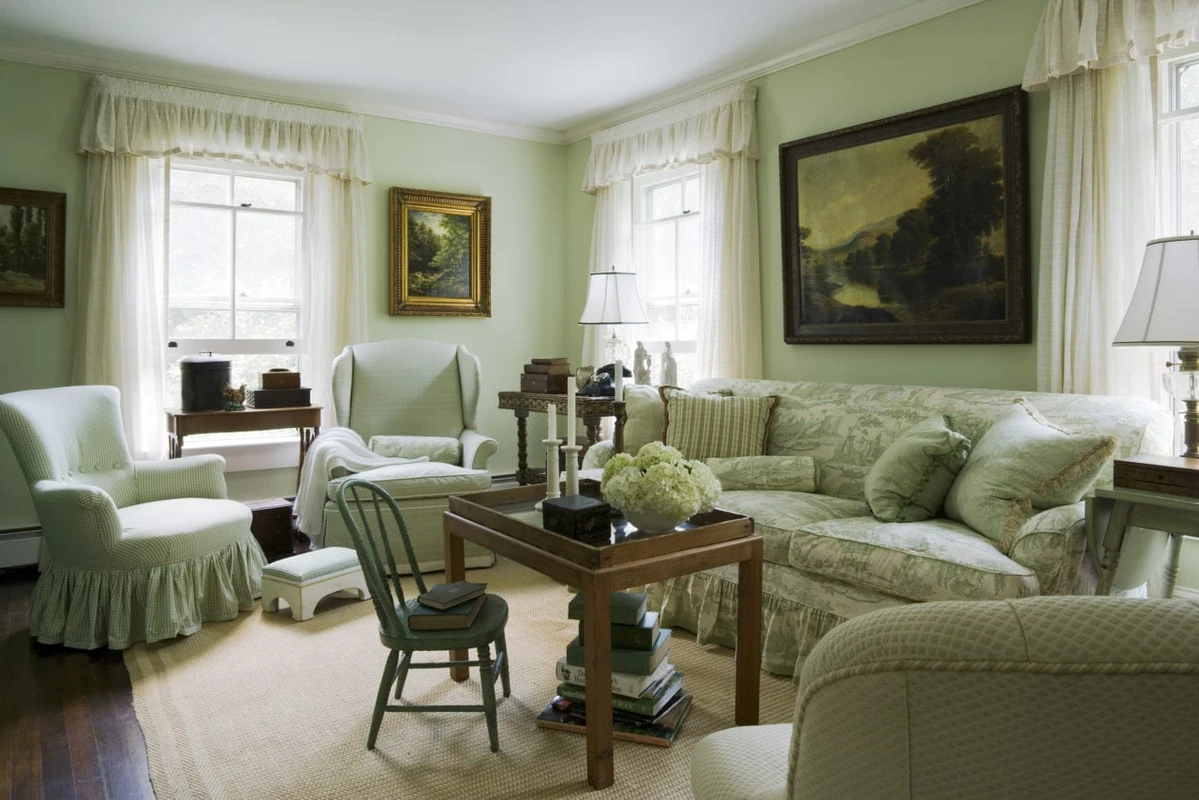
What materials are commonly used in eco-friendly cottage decor?
Eco-friendly cottage decor primarily features natural and recycled materials such as bamboo, seagrass, jute, and recycled textiles. These materials are renewable, biodegradable, and sourced through sustainable or upcycled processes, reducing environmental impact.
Which brands offer authentic artisan-made sustainable cottage decor?
Brands like Reflektion Design, Amala Earth, Sirohi, and Obakki specialize in ethically sourced, artisan-crafted cottage decor. Retailers such as Decor Steals and curated shops like VivaTerra and Madcap Cottage also provide collections emphasizing handmade and sustainable products.
How can I verify that cottage decor is sustainably produced?
Look for certifications such as fair trade, organic fibers, and recycled content. Transparent brands disclose sourcing and production practices. Additionally, inquire about packaging materials and shipping emissions to assess overall sustainability.
What are some DIY ideas to create sustainable cottage decor?
Upcycling vintage furniture with eco-friendly paints, reupholstering with recycled textiles, and incorporating natural fiber accessories like jute rugs and woven baskets are effective DIY methods. These projects reduce waste and personalize decor while adhering to sustainable principles.
Why is supporting local artisans important for sustainable home decor?
Supporting local artisans preserves traditional crafts, provides fair wages, and strengthens rural economies. Artisan-made products often use indigenous materials and sustainable techniques, contributing to environmental conservation and cultural heritage.
Eco-friendly cottage decor continues to expand as consumers seek products that marry aesthetic appeal with environmental and social responsibility. By choosing sustainably sourced materials, supporting artisan communities, and engaging in upcycling, homeowners can cultivate serene, authentic spaces that embody the cottagecore spirit. The growing availability of ethical brands and curated retailers ensures that sustainable cottage decor is accessible and impactful, setting a precedent for future home design trends.
For further exploration of affordable sustainable cottagecore collections, visit Decor Steals’ cottagecore collection. Insights into ethical and sustainable home decor retailers can be found at X by Design’s blog on sustainable decor retailers.