LittleCozyDen.com – Creating a warm, inviting cottage porch that blends comfort, charm, and seasonal adaptability requires deliberate design choices and practical implementation. This tutorial guides you through step-by-step methods to build a timeless outdoor space featuring classic wooden rocking chairs, white picket fences, antique lanterns, and layered seasonal décor. You will learn how to select natural fiber rugs, handcrafted wood accents, and multifunctional furniture that harmonize with the Cottagecore aesthetic, resulting in a porch that enhances your home’s curb appeal and outdoor living experience year-round.
Start by understanding key classic components, then progress through seating arrangements, textile layering, lighting schemes, landscaping integration, and outdoor heating options. Each section provides detailed instructions, maintenance tips, and design principles to help you achieve a cozy, functional porch that adapts seamlessly across seasons.
1. Preparing to Design Your Cottage Porch
Begin by assessing your porch’s size, existing architectural features, and climate considerations. Measure available space accurately to ensure furniture and décor fit without overcrowding. Identify natural light patterns and sheltered areas to optimize seating placement and lighting. Choose a cohesive color palette inspired by natural materials—think warm woods, soft whites, and earthy neutrals—that will unify your design.
Gather essential materials such as natural fiber rugs (jute or wool), cushions and throws in seasonal colors, weather-resistant outdoor textiles, and foundational furniture pieces like wooden rocking chairs or porch swings. Planning these prerequisites will streamline your design process.
2. Incorporating Classic and Timeless Architectural Elements
To establish a quintessential cottage porch foundation, integrate architectural details that evoke charm and durability:
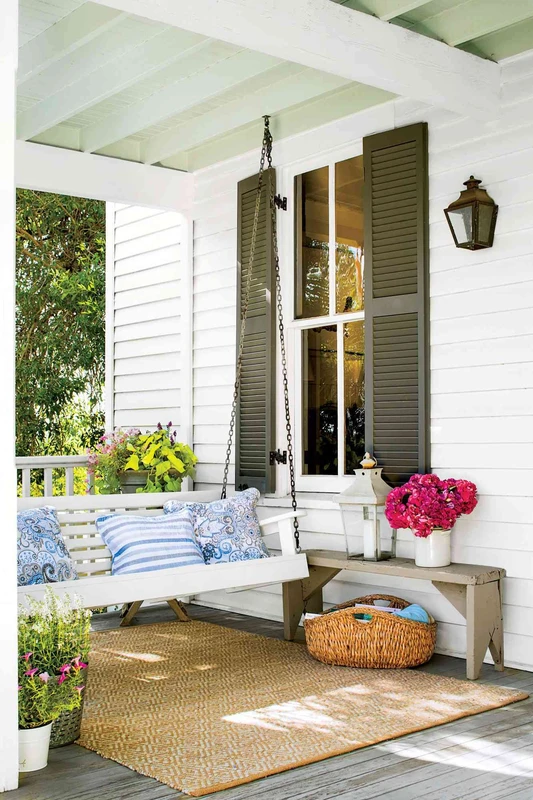
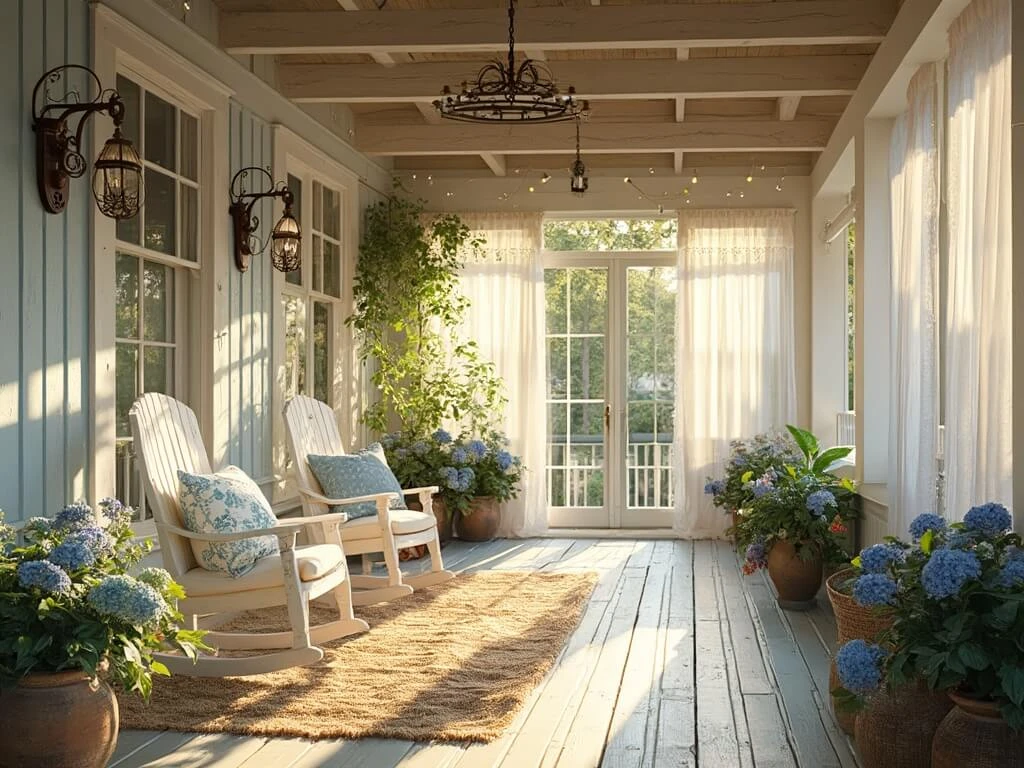
Install a White Picket Fence or Wooden Railings: These create a welcoming boundary and frame the porch aesthetically. Opt for painted wood treated for outdoor exposure to ensure longevity.Add Corbels and Decorative Brackets: These handcrafted wood accents under eaves or rooflines enhance visual interest and support structural elements. Choose designs that complement your home’s style, such as carved oak or painted pine.Use Antique Lanterns for Lighting Fixtures: Position classic lanterns on either side of the entrance or along the porch railing. Select metal finishes like aged bronze or black wrought iron to emphasize vintage appeal.Incorporate Natural Materials: Build or refurbish porch flooring and furniture with quality hardwoods like oak or cedar. Wicker and metal furniture elements introduce textural contrast while maintaining rustic authenticity.Symmetrically arrange porch furniture to create balanced sightlines. For example, position two wooden rocking chairs opposite a central porch swing to anchor the space visually.
3. Creating Cozy Seating Arrangements
Comfort is paramount in cottage porch design. Follow these steps to craft inviting seating areas:
Select Wooden Rocking Chairs and Porch Swings: Choose pieces with ergonomic curves and solid wood frames. Incorporate cushions in durable outdoor fabrics to soften seating.Layer Textiles: Add throw pillows in natural fibers like linen or cotton. Introduce wool blankets or heavy-knit throws for colder months. Use a mixture of patterns—floral, plaid, and solid colors—to enrich texture.Incorporate Multifunctional Furniture: Utilize benches with built-in storage or ottomans that double as side tables. This adds functionality without cluttering the space.Position Seating to Maximize Views and Social Interaction: Arrange furniture to face garden views or toward a fire pit to encourage gathering and relaxation.4. Designing Seasonal Décor for Year-Round Warmth
Adapting your porch décor to the seasons maintains freshness and comfort throughout the year:
Spring and Summer: Use planters filled with fresh flowers such as hydrangeas, lavender, or daisies. Brighten the space with tropical plants in woven baskets. Swap out pillows for vibrant colors like coral, turquoise, or sunny yellow.Autumn: Transition to warm hues—burnt orange, deep red, and golden yellow. Incorporate wool throws and plaid blankets on seating. Accent with pumpkins, dried wheat sheaves, and rustic wreaths made from local foliage.Winter: Introduce string lights intertwined with evergreen garlands or holly. Use heavier wool throws and cushions in neutral or jewel tones like forest green and burgundy. Add lanterns with LED candles for safe, ambient illumination.Seasonal Transition Tips: Store summer textiles in breathable containers to prevent mildew. Rotate décor elements gradually to maintain visual continuity and avoid abrupt changes.5. Enhancing the Porch with Textiles and Natural Fiber Rugs
Textiles provide softness and warmth while defining the porch layout:
Choose Durable Natural Fiber Rugs: Jute and wool rugs withstand outdoor conditions and add tactile appeal. Select sizes that anchor seating areas without obstructing walkways.Opt for Earthy and Neutral Tones: Colors like beige, taupe, and soft greys ground the space and coordinate with wood finishes.Maintain Outdoor Fabrics: Regularly clean rugs by shaking out debris and vacuuming. Spot clean stains with mild soap and water. Store rugs indoors during heavy rain or snow to extend lifespan.Add Complementary Textiles: Use throw pillows and blankets in weather-resistant materials with UV protection to prevent fading.6. Strategically Placing Lighting and Accessories
Lighting influences ambiance, safety, and usability:
Install Antique Lanterns and Wall Sconces: Place lanterns near doors and along pathways. Wall sconces add layered lighting and architectural interest.Use String Lights: Suspend string lights overhead or wrap around porch posts to create a cozy atmosphere.Incorporate Solar or LED Options: For energy efficiency and ease of maintenance, use solar-powered lights or LED bulbs with warm color temperatures.Place Accessories Thoughtfully: Add handcrafted wood accents like corbels and brackets to enhance visual appeal without cluttering. Use wreaths and potted plants on side tables for a personalized touch.7. Integrating Landscaping and Additional Decorative Features
Seamlessly blending your porch with surrounding greenery elevates the cottage aesthetic:
Coordinate Plant Selection: Choose flowering shrubs or climbing vines like clematis or roses near porch edges. Incorporate potted herbs or ferns in varied-sized containers.Use Corbels and Brackets as Design Accents: Mount handcrafted wooden corbels beneath the porch roof or along railings to introduce rustic detail.Add Wreaths and Seasonal Plant Décor: Refresh wreaths with seasonal materials—spring blossoms, autumn leaves, or pinecones—to match the overall color scheme.Maintain Landscaping Consistency: Keep plants trimmed and healthy to sustain a polished look. Mulch beds to retain moisture and suppress weeds.8. Extending Porch Use with Outdoor Heating Features
To enjoy your porch even in cooler months, incorporate heating elements:
Install a Fire Pit or Outdoor Fireplace: Choose between portable fire pits or built-in fireplaces depending on space. Ensure compliance with local safety regulations.Use Heat-Resistant Seating Accents: Place cushions and throws made from fire-retardant materials to withstand proximity to heat sources.Create Cozy Gathering Spots: Arrange seating around the fire pit with easy access to blankets and side tables for hot beverages.Consider Alternative Heating: Infrared heaters or propane patio heaters provide warmth without the need for open flames.9. Designing for Small Porch Spaces
Maximize comfort and style even on limited porches by following these strategies:
Scale Furniture Appropriately: Use compact rocking chairs or folding porch swings that do not overwhelm the space.Incorporate Multifunctional Pieces: Storage benches or nesting tables reduce clutter and increase functionality.Use Pops of Color to Create Focal Points: Bright throw pillows or a painted door can draw the eye and add personality.Avoid Overcrowding: Limit décor items and maintain clear pathways to keep the porch inviting and accessible.Common Mistakes to Avoid in Cottage Porch Design
Overusing bright or clashing colors that disrupt the serene cottagecore palette.Neglecting weather resistance in textiles and furnishings, leading to premature wear.Crowding the porch with excessive furniture or décor, reducing usability.Ignoring lighting functionality in favor of aesthetics, compromising safety.Failing to maintain seasonal décor, resulting in a stale or disjointed appearance.Troubleshooting Tips for Porch Design Challenges

Problem: Furniture fades or deteriorates quickly. Solution: Choose UV-resistant finishes and store cushions during harsh weather.
Problem: Porch feels cold or unused in autumn/winter. Solution: Add fire pits or outdoor heaters and layer warm textiles.
Problem: Limited space restricts seating options. Solution: Opt for multifunctional or foldable furniture and use vertical plant displays.
Problem: Outdoor rugs become slippery when wet. Solution: Select rugs with non-slip backing or place non-slip pads underneath.
FAQ

What are the best materials for durable cottage porch furniture?
Hardwoods like oak, cedar, and teak are ideal due to their natural resistance to moisture and insects. wicker furniture made from synthetic fibers also offers durability with a rustic look.
How can I transition my porch décor between seasons easily?
Invest in interchangeable textile covers, use modular décor elements like wreaths and planters, and store off-season items in breathable containers to facilitate smooth seasonal swaps.
What lighting options create the best ambiance for a cottage porch?
Combining antique lanterns, wall sconces, and warm white string lights offers layered lighting that balances safety and atmosphere effectively.
How do I maintain natural fiber rugs outdoors?
Regularly vacuum or shake out dirt, spot clean with mild soap, and store rugs indoors during heavy precipitation to prevent mold and deterioration.
Can I use a fire pit on a wooden porch?
Yes, but ensure the fire pit is placed on a protective, non-flammable surface like a fire-resistant mat and maintain safe distances from flammable materials. Always follow local regulations.
Designing a cottage porch that combines classic elements with cozy, seasonal adaptability creates an enduring outdoor retreat. By selecting natural materials, layering textiles, and incorporating thoughtful lighting and landscaping, homeowners can craft a porch that welcomes guests and provides comfortable outdoor living space year-round. For additional inspiration and expert advice, consult resources like Simple Life’s guide to enhancing cottage porches and Homes & Gardens’ cottage porch ideas.