
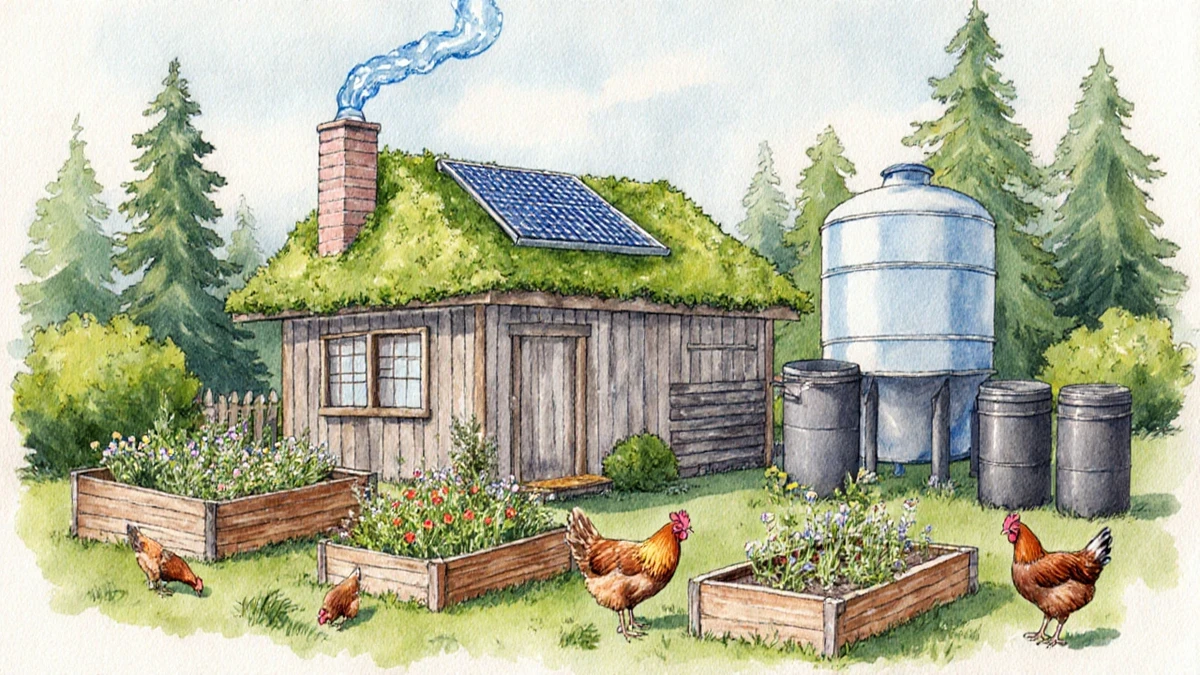
LittleCozyDen.com – Living sustainably in a cottage environment integrates practical energy efficiency upgrades, waste reduction strategies, and eco-conscious lifestyle adjustments tailored to small-scale, nature-immersed settings. Combining renewable energy systems like solar panels with comprehensive insulation improvements significantly cuts energy consumption and carbon footprint. At the same time, adopting composting, reusable containers, and DIY natural products reduces waste and chemical use. Water conservation through low-flow fixtures and rainwater harvesting complements these efforts, while meal planning and growing home gardens minimize food waste and packaging. Embracing minimalism and self-sufficiency rooted in cottagecore values further aligns lifestyle choices with environmental stewardship, creating a resilient and balanced habitat.
The Philosophy of Sustainable Cottage Living
sustainable cottage living draws inspiration from historical autonomous communities that prioritized harmonious coexistence with local ecosystems and resource self-sufficiency. Early settlements often employed renewable energy sources, reused materials, and practiced organic gardening to minimize environmental disruption. Today’s sustainable cottage lifestyle echoes these principles but leverages modern technology and scientific insights to optimize resource use. This approach emphasizes reducing ecological footprints through energy efficiency, waste management, and conscious consumption, reflecting core values of the cottagecore movement that romanticizes simplicity and nature connection while encouraging practical eco-conscious habits.
Small-scale cottages offer unique opportunities for sustainability by enabling localized energy production, direct composting of organic waste, and efficient water management. Unlike urban settings, cottages often allow for rainwater capture systems and solar panel installations without zoning constraints. This autonomy promotes a self-reliant lifestyle that balances comfort with environmental responsibility, essential for reducing global climate impact and preserving biodiversity in rural and semi-rural regions.
Energy Efficiency in the Cottage
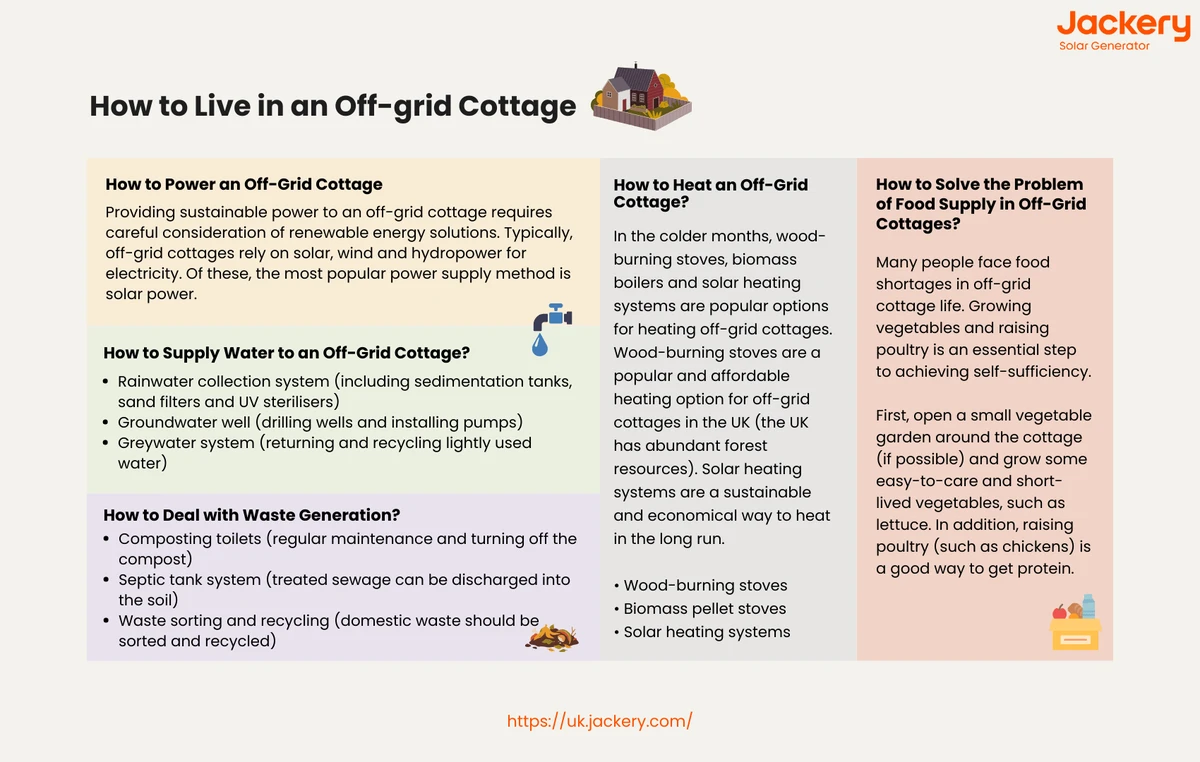
renewable energy adoption is paramount in sustainable cottage living. Solar photovoltaic (PV) panels are the most accessible renewable technology, converting sunlight into electricity and reducing reliance on fossil-fuel-based grids. According to the U.S. Department of Energy, solar panels can reduce household electricity consumption by up to 40%, depending on system size and regional sunlight availability. For cottages, small-scale solar arrays paired with battery storage enable off-grid or hybrid energy models, increasing resilience during power outages and lowering utility costs.
Upgrading insulation is equally critical in energy management. High-quality insulation materials, such as cellulose or rigid foam boards, reduce heat transfer, lowering heating and cooling demands by 25–30%. Energy audits conducted by professional assessors identify thermal leaks, air infiltration points, and inefficient appliances, guiding targeted upgrades. Installing programmable thermostats and energy-saving appliances further optimizes consumption patterns, enabling temperature adjustments based on occupancy and time of day. Tankless water heaters, which heat water on demand, offer up to 35% energy savings compared to traditional storage heaters, particularly in cottages with intermittent usage.
The integration of these systems creates a comprehensive energy strategy that mitigates environmental impact while enhancing occupant comfort and reducing operational costs. Regular maintenance and monitoring ensure sustained efficiency, with many cottages employing smart home technologies to analyze energy use data and adjust systems dynamically.
Waste Reduction and Composting
Waste management is a cornerstone of sustainable cottage living. Establishing a compost station transforms organic kitchen and garden waste into nutrient-rich soil amendments, diverting significant biomass from landfills. Composting reduces methane emissions from organic decay and enhances soil structure, promoting sustainable gardening practices. In cottage environments, outdoor compost bins or vermicomposting units can efficiently process vegetable scraps, coffee grounds, and biodegradable materials.
Minimizing plastic waste is achieved through the use of reusable containers, shopping bags, and bulk purchasing, which collectively reduce single-use packaging. Cottage residents often favor zero waste practices, including DIY natural cleaning products made from vinegar, baking soda, and essential oils, eliminating harmful chemicals and plastic bottles. Homemade cooking products, such as natural soaps and detergents, further reduce reliance on industrially produced goods.
Adhering to Leave No Trace principles extends waste reduction beyond the home, especially during outdoor activities common in cottage settings. This environmental ethic encourages minimal impact camping, proper disposal of refuse, and respect for natural habitats, reinforcing the cottage lifestyle’s ecological mindfulness.
Sustainable Food Practices
Meal planning in sustainable cottages aims to reduce food waste and packaging by prioritizing cooking from scratch and buying local, seasonal ingredients. Thoughtful shopping lists and batch cooking optimize ingredient use, preventing spoilage and excess. Preparing meals in reusable containers also cuts down on disposable packaging.
Gardening plays a pivotal role in food sustainability. Raised bed and container gardens enable year-round cultivation of vegetables, herbs, and small fruits, reducing dependence on store-bought produce with high transportation footprints. Soil health is maintained through compost application and crop rotation, ensuring productive yields with minimal chemical inputs.
Food preservation techniques like canning, pickling, and freezing seasonal harvests extend produce usability and reduce waste. These traditional methods resonate with cottagecore principles and support food security.
Water Conservation Techniques
water conservation is critical in cottages often reliant on wells or limited municipal supplies. Installing low-flow faucets, showerheads, and dual-flush toilets can reduce household water consumption by 20–30%, according to environmental agency data. These fixtures maintain functionality while minimizing wastage.
Rainwater harvesting systems collect precipitation from roofs into storage tanks, supplying irrigation or non-potable household needs. This practice decreases reliance on groundwater and municipal water, particularly valuable in drought-prone or remote areas. Filtration and treatment options ensure water quality for safe use.
Implementing greywater systems that recycle water from sinks and showers for garden irrigation is another sustainable approach. These closed-loop systems conserve freshwater resources and promote holistic water management.
Minimalism and Self-Sufficiency
Minimalism complements sustainable cottage living by encouraging downsizing possessions and mindful consumption. Reducing clutter not only lowers resource use in production and disposal but also simplifies maintenance and energy needs. The cottagecore philosophy embraces this lifestyle, valuing quality over quantity and fostering emotional connection to fewer, meaningful items.
Self-sufficiency manifests through traditional skills such as canning, soap-making, and sustainable gardening. These practices reduce dependence on commercial supply chains and promote resilience. Learning these crafts fosters community exchange and preserves cultural knowledge, integral to autonomous community models.
By integrating minimalist values with self-sufficiency, cottage residents enhance their environmental stewardship while improving life quality and reducing economic vulnerability.
Case Studies and Real-Life Examples
Insights from cottagecore practitioners and autonomous communities demonstrate successful sustainable cottage living models. For example, eco-villages in North America and Europe showcase comprehensive green building renovations incorporating green building materials like reclaimed wood, low-VOC paints, and natural insulation. These communities often employ collective composting systems and shared solar arrays, achieving economies of scale in sustainability.
Individual cottages adopting these principles report energy savings of 30–50%, waste diversion rates exceeding 70%, and significant reductions in water consumption. One documented case involved a lakeside cottage retrofitted with 5 kW solar panels, triple-glazed windows, and rainwater harvesting, resulting in a 60% drop in utility costs and a 40% decline in water use.
These examples underscore the feasibility and benefits of applying holistic sustainable practices in cottage settings, balancing modern technology with traditional wisdom.
Future-Proofing Cottage Living for Sustainability
Sustainable cottage living represents a forward-looking strategy to mitigate climate change impacts and preserve rural ecosystems. Incremental adoption of energy-efficient upgrades, waste reduction methods, and water conservation technologies ensures affordability and manageability. As renewable energy costs decline and green building materials become more accessible, these practices will gain broader adoption.
Encouraging cottage residents to engage in continuous learning and community knowledge sharing can accelerate sustainability transitions. Policy incentives supporting renewable installations and water-saving retrofits further enhance feasibility.
Ultimately, sustainable cottage living fosters resilience, environmental harmony, and economic prudence, serving as a replicable model for low-impact rural habitation in the 21st century.
| Sustainability Aspect | Practice | Environmental Benefit | Estimated Savings |
|---|---|---|---|
| Energy Efficiency | Solar panels, insulation upgrades, tankless water heaters | Reduced carbon footprint, lower energy demand | Up to 40% electricity reduction, 35% water heating energy savings |
| Waste Reduction | Composting, reusable containers, DIY natural products | Diverts organic waste, reduces plastic pollution | 70%+ waste diversion rates achievable |
| Water Conservation | Low-flow fixtures, rainwater harvesting | Decreased freshwater consumption | 20–30% reduction in household water use |
| Sustainable Food | Meal planning, home gardening, food preservation | Minimized food waste and packaging | Variable by household, significant packaging reduction |
| Minimalism & Self-Sufficiency | Downsizing, traditional skills | Reduced resource consumption, increased resilience | Long-term economic and environmental benefits |
Frequently Asked Questions
What are the most effective energy-saving upgrades for cottages?
Energy-saving upgrades with the highest impact include installing solar panels to generate renewable electricity, upgrading insulation to reduce heat loss, using programmable thermostats, and replacing traditional water heaters with tankless models. These measures can collectively reduce energy consumption by up to 50%.
How can composting benefit a sustainable cottage lifestyle?
Composting diverts organic waste from landfills, reducing methane emissions, and produces nutrient-rich soil amendments that improve garden productivity. It supports zero waste goals and fosters a closed-loop nutrient cycle essential for sustainable gardening.
What water conservation methods work best in rural cottage settings?
Low-flow fixtures and dual-flush toilets reduce daily water use significantly. Rainwater harvesting systems capture and store precipitation for irrigation and non-potable uses, decreasing reliance on groundwater or municipal sources. Greywater recycling further enhances water efficiency.
How does meal planning contribute to sustainability in a cottage environment?
Meal planning minimizes food waste by ensuring ingredients are used efficiently and purchases are targeted. Cooking from scratch reduces packaging waste associated with processed foods. Combined with home gardening and food preservation, it significantly lowers environmental impact.
Can adopting minimalism truly impact environmental sustainability?
Yes, minimalism reduces consumption, waste generation, and resource depletion by encouraging ownership of fewer, higher-quality items. In cottage living, it simplifies maintenance and energy needs, aligning lifestyle choices with ecological preservation.
For further detailed sustainability strategies tailored to cottage living, consult resources such as Sustainability in Cottage Garden Life and 10 Tips for Eco-Friendly Cottage Life.
Sustainable cottage living is a dynamic, multifaceted endeavor that balances technological adoption and traditional practices to achieve environmental, economic, and social benefits. As cottage dwellers continue to refine these methods, their homes become models of low-impact, resilient habitation that can inspire broader sustainable living movements.