
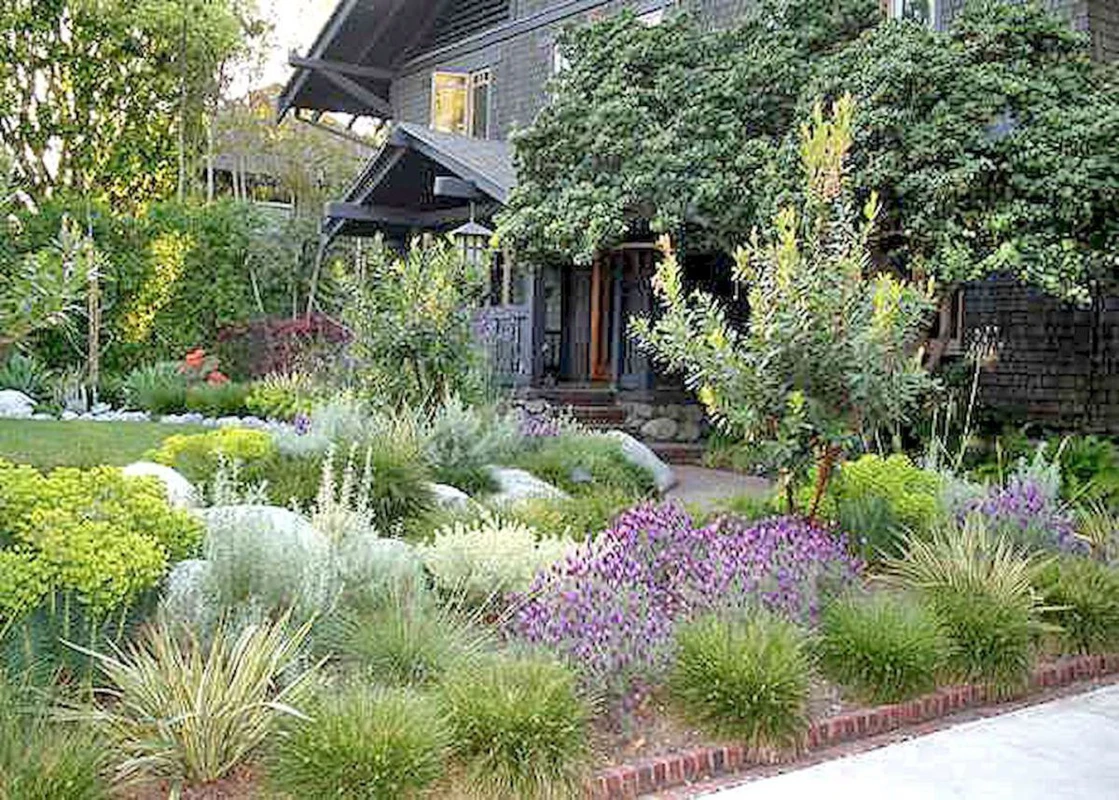
LittleCozyDen.com – Native plants offer a transformative approach to cottage garden landscaping by aligning closely with regional ecosystems, reducing resource inputs, and fostering biodiversity. These plants are inherently adapted to local climates and soils, which enables them to thrive with minimal intervention, making them ideal for sustainable, low-maintenance gardens. Incorporating native species such as Black-Eyed Susan, Mexican bush sage, and Butterfly bush ‘Miss Molly’ not only enhances the aesthetic appeal of cottage gardens but also supports vital pollinator populations including bees, butterflies, and hummingbirds.
By embracing native flora, gardeners can significantly reduce irrigation demands and chemical inputs, resulting in cost-effective and environmentally responsible landscapes. This ecological synergy is particularly evident in regions like Texas, Georgia, and Colorado, where native plants such as Rudbeckia fulgida, Echinacea purpurea, and Asclepias tuberosa demonstrate exceptional drought resistance and adaptability. These species contribute to a dynamic garden ecosystem that maintains soil health, conserves water, and sustains local wildlife, establishing a resilient outdoor space that reflects the natural character of its geographic setting.
Benefits of Native Plants in Cottage Garden Landscaping
native plants provide a suite of ecological and economic advantages that align with contemporary sustainable landscaping goals. Their evolutionary adaptation to local environmental conditions ensures high survivability and reduced maintenance needs. For example, drought-resistant species like Coreopsis and ornamental grasses native to arid regions can withstand extended dry periods without supplemental irrigation, which is critical in water-scarce areas such as California and Colorado. This drought tolerance lowers water consumption and reduces the gardener’s reliance on irrigation systems.
Moreover, native plants enhance biodiversity by providing critical habitat and food resources for pollinators. Species such as Butterfly bush ‘Miss Molly’ and Asclepias tuberosa are particularly valued for attracting butterflies and hummingbirds, which are essential for pollination services in both natural and cultivated landscapes. By supporting pollinator populations, native gardens contribute to the broader ecological network and promote healthy plant reproduction cycles.
Financially, native plant gardens reduce costs associated with fertilizers, pesticides, and ongoing maintenance. Once established, many native species require minimal soil amendments, which contrasts with non-native plants that often need chemical inputs to thrive. This cost efficiency is supported by studies from institutions like Colorado State University Extension, which emphasize the long-term savings and environmental benefits of native plant landscaping.
Regional Adaptation and Plant Selection for Sustainable Cottage Gardens
Selecting the right native plants requires understanding regional climate, soil conditions, and ecological interactions. Native plant landscaping experts, including firms like First Choice Tree Care, emphasize the importance of choosing species adapted to specific geographic areas to ensure garden resilience and ecological compatibility. For instance, Texas gardeners might incorporate Rudbeckia fulgida and Mexican bush sage, which flourish in the state’s hot, dry summers, whereas gardeners in Georgia might favor Echinacea purpurea and Coreopsis, which thrive in its humid subtropical climate.
Planting design also plays a critical role in successful native landscaping. Dense planting mimics natural ecosystems, reducing weed invasion and conserving soil moisture by creating shade and wind protection. Staging plants by height and bloom time enhances visual interest while supporting pollinators throughout the growing season. Incorporating structural elements such as native ornamental grasses adds texture and seasonal movement, further enriching the garden’s ecological and aesthetic value.
Design Principles for Native Plant Cottage Gardens
A native plant cottage garden achieves a balance between naturalistic beauty and ecological function by combining diverse species with varied forms, textures, and colors. Unlike formal gardens, cottage gardens emphasize an informal, layered planting style that promotes biodiversity and continuous bloom cycles. This approach aligns with ecological gardening principles, fostering habitats for pollinators and beneficial insects.
Integrating natural materials such as stone pathways, reclaimed wood trellises, and native mulch enhances the garden’s organic feel while improving soil health and moisture retention. Additionally, designing for year-round interest through staggered bloom times and evergreen native shrubs supports wildlife and maintains garden appeal in all seasons. The result is a sustainable landscape that reflects regional character and supports ecological processes.
Practical Maintenance and Water Conservation Strategies
Maintaining a native plant cottage garden involves understanding site-specific soil and microclimate conditions. Many native plants prefer well-drained soils and do not require fertilization, reducing maintenance efforts. Watering practices should focus on establishing plants during their initial growth phase, after which most native species can survive on natural rainfall.
Drought management can be optimized by grouping plants with similar water requirements, implementing mulch layers to reduce evaporation, and utilizing rainwater harvesting techniques. Native plants’ inherent pest and disease resistance minimizes the need for chemical treatments, supporting integrated pest management strategies that prioritize ecological balance.
Addressing Challenges in Native Landscaping
While native plants offer numerous benefits, gardeners may face challenges such as aggressive growth habits or slow establishment periods. Species like Butterfly bush ‘Miss Molly’ can spread vigorously if not managed properly, requiring regular pruning or containment strategies. Competition among plants during early garden development may necessitate patience and strategic planting to achieve full garden fill-in.
Professional landscaping services specializing in native plants can provide valuable expertise in site assessment, plant selection, and long-term garden management. Companies like First Choice Tree Care offer consultation and installation services that ensure native gardens are designed for sustainability and aesthetic success.
Case Studies: Native Plant Cottage Gardens Across Regions
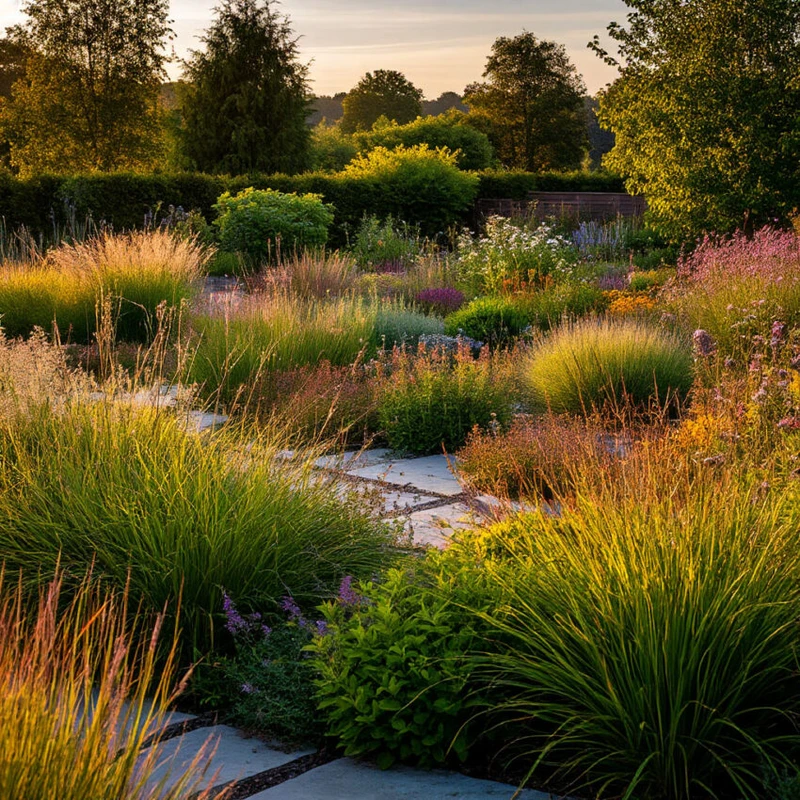
Examples from Colorado, Georgia, and Texas illustrate the practical application of native plant landscaping in cottage gardens. In Colorado, gardens featuring Echinacea purpurea and native ornamental grasses have demonstrated resilience to dry conditions and enhanced pollinator presence. Georgia’s humid climate supports lush stands of Coreopsis and Rudbeckia fulgida, which contribute to vibrant seasonal color and wildlife habitat. Texas gardens incorporating Mexican bush sage and Asclepias tuberosa benefit from drought tolerance and attract diverse pollinator species, promoting ecosystem health.
User testimonials highlight the satisfaction of reduced maintenance and the ecological benefits achieved through native plant landscaping. Many gardeners report increased pollinator activity and improved garden sustainability, reinforcing the role of native plants in modern cottage garden design.
| Region | Recommended Native Plants | Key Benefits |
|---|---|---|
| Texas | Mexican bush sage, Rudbeckia fulgida, Asclepias tuberosa | Drought resistance, pollinator attraction, low maintenance |
| Georgia | Echinacea purpurea, Coreopsis, Black-Eyed Susan | Supports humid climate, vibrant seasonal blooms, wildlife habitat |
| Colorado | Echinacea purpurea, native ornamental grasses, Rudbeckia fulgida | Cold and drought tolerance, enhances biodiversity, soil stabilization |
FAQ
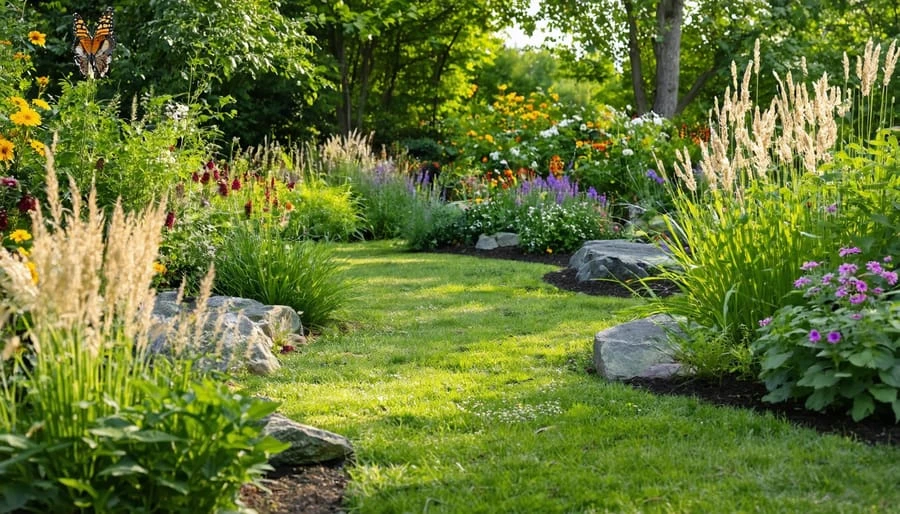
What makes native plants suitable for cottage garden landscaping?
Native plants are adapted to local environmental conditions, requiring less water and maintenance. They support local biodiversity by attracting pollinators and contribute to sustainable, ecologically balanced garden designs.
How do native plants help conserve water in landscaping?
Native plants have evolved to thrive with natural rainfall patterns and often possess drought-resistant traits. Their use reduces the need for supplemental irrigation, particularly when planted densely and mulched to retain soil moisture.
Can native plants attract pollinators to my garden?
Yes, many native species such as Butterfly bush ‘Miss Molly’ and Asclepias tuberosa provide nectar and habitat for bees, butterflies, and hummingbirds, thus supporting pollination and ecosystem health.
Are there challenges in using native plants for landscaping?
Some native plants may exhibit aggressive growth or slow establishment, requiring careful management. Selecting appropriate species for the site and consulting experts can mitigate these challenges.
Where can I find professional guidance for native plant landscaping?
Specialized landscaping firms like First Choice Tree Care offer expertise in native plant selection, garden design, and maintenance tailored to regional conditions.
Native plant cottage gardens represent a convergence of ecological stewardship and aesthetic innovation. By selecting regionally adapted species, employing sustainable maintenance practices, and fostering pollinator habitats, gardeners can create vibrant, resilient outdoor spaces. This approach not only conserves natural resources but also enhances the cultural and environmental fabric of local landscapes, offering a model for future garden design that prioritizes sustainability and biodiversity.
For further detailed guidance on native plant usage and ecological landscaping, visit Colorado State University Extension on native plants and explore professional insights at First Choice Tree Care’s native landscaping article.