
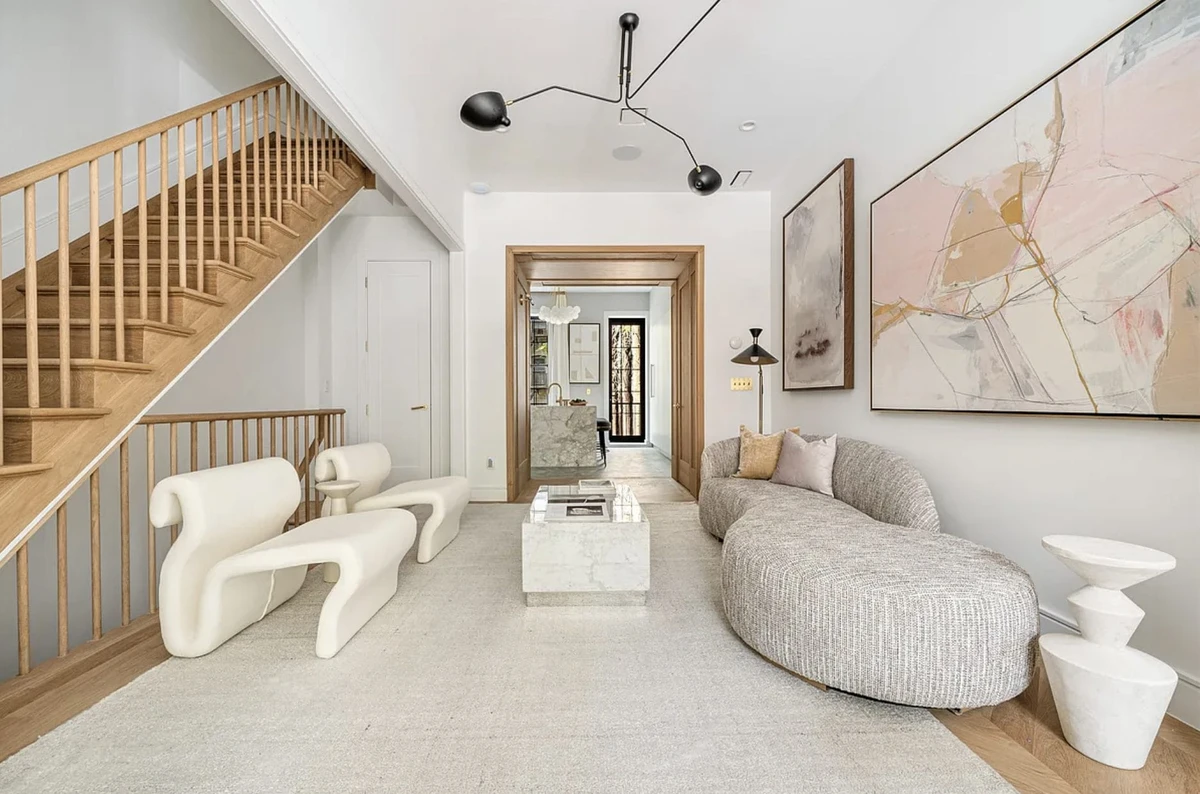
LittleCozyDen.com – Warm minimalist living rooms represent a refined evolution of traditional minimalism, emphasizing not only simplicity but also a sense of warmth and comfort that transforms austere spaces into inviting sanctuaries. Unlike the often cool, stark aesthetic associated with conventional minimalism, warm minimalism integrates neutral color palettes with warm undertones, natural materials, and carefully curated textures to foster coziness without sacrificing space or clarity. This approach reflects an increasing demand for interiors that balance serene minimalism with tactile, human-centered design, as endorsed by leading interior designers such as Steve Kadlec and Bethany Adams.
Central to warm minimalist living rooms is the strategic use of warm neutral palettes. These typically include shades like warm whites, taupe, terracotta, sand, and clay, which provide a subtle yet rich foundation for the space. Natural wood tones, ranging from light oak to deeper walnut finishes, serve as grounding elements, adding organic depth and visual interest without overwhelming the minimalist ethos. Darker accents, such as charcoal or umber, are often introduced sparingly to anchor the design and create contrast, lending structure while maintaining understated elegance.
Maximizing natural light plays a pivotal role in enhancing warmth within minimalist living rooms. Large windows combined with sheer, linen drapes allow sunlight to permeate interiors, creating an airy and expansive ambiance that complements open floor plans. Such layouts, favored in modern architectural projects, eliminate unnecessary partitions and promote fluid movement, making spaces feel larger and more connected to the outdoors. The emphasis on natural illumination also reduces reliance on artificial lighting during the day, aligning with sustainable design principles.
Texture layering further elevates the warmth of minimalist interiors, introducing subtle complexity that counters the potential coldness of sparse décor. Interior designers advocate for incorporating tactile elements such as chunky wool rugs, linen draperies, boucle armchairs, and leather upholstery. These materials contribute softness and visual richness, engaging multiple senses while preserving a clean aesthetic. The key is balancing these textures to avoid clutter; for instance, pairing a coarse wool throw with smooth wooden furniture or a sleek leather sofa with a textured terracotta vase ensures harmony without visual overload.
Furniture and lighting selections are equally critical in embodying warmth within minimalist living rooms. Warm wood furniture, often characterized by sculptural, organic forms, brings natural beauty and craftsmanship into the space. Lighting strategies employ concealed LED strips emitting warm white light, adjustable to enhance ambiance without harshness. Statement pieces such as modern fireplaces or brass chandeliers provide focal points that radiate both physical and aesthetic warmth. These elements, when integrated thoughtfully, reinforce the cozy atmosphere intrinsic to warm minimalism.
Curated accessories differentiate warm minimalist interiors from overly sparse environments by adding intentional personality without clutter. Handcrafted pottery, brass candleholders, and sculptural vases are commonly selected for their artisanal qualities and warm finishes. The principle of “less is more” remains paramount, with each accessory serving a distinct purpose or narrative. This selective approach to decoration supports a serene environment while introducing layers of meaning and texture that resonate with inhabitants.
The integration of indoor and outdoor elements exemplifies the holistic nature of warm minimalist design. By incorporating natural materials and framing views that extend beyond the interior, designers create seamless transitions that blur the boundaries between inside and outside. Architectural projects demonstrating this concept often feature expansive glass doors, timber decking, and landscape views, fostering connection with nature and enhancing the sense of tranquility. This biophilic design approach not only enriches aesthetic appeal but contributes to psychological well-being.
For those seeking to implement warm minimalist living rooms, several practical steps can guide the process. Begin with selecting a warm neutral palette anchored by natural wood accents. Prioritize natural light and consider open layouts that promote spatial flow. Layer textures thoughtfully using materials like wool, linen, and leather to add tactile warmth. Choose furniture and lighting that combine form and function with a warm aesthetic, such as sculptural wooden pieces and soft LED illumination. Finally, curate accessories intentionally to enhance personality without clutter, and explore opportunities to integrate indoor and outdoor spaces through materials and views.
Core Color Palettes for Warm Minimalism
Warm minimalist interiors revolve around color palettes that evoke comfort and serenity. The dominant hues include warm whites, which differ from stark snowy whites by incorporating subtle beige or cream undertones. Taupe variations—ranging from light mushroom to deeper mushroom brown—offer neutrality with added warmth, while terracotta introduces earthy reds and oranges reminiscent of natural clay. Sand and clay tones contribute muted, sunbaked shades that complement wood finishes and textiles.
Natural wood tones play a vital role in these palettes, providing organic texture and color variation. Light wood species like ash and beech introduce brightness, while mid-tone oaks and walnut enrich the palette with depth. Dark accents such as charcoal provide contrast without clashing, grounding the room visually and enhancing the minimalist structure.
Harnessing Natural Light and Open Layouts
Natural light is indispensable in warm minimalist living rooms, as it accentuates textures and colors while fostering a sense of spaciousness. Expansive windows, often floor-to-ceiling, maximize sunlight penetration. Sheer curtains made from linen or cotton filter light softly, preventing glare without darkening the room. These materials also contribute to the layered texture approach fundamental to warm minimalism.
Open layouts complement lighting by reducing barriers. Removing unnecessary walls encourages air circulation and visual continuity, making spaces feel larger and more inviting. This spatial strategy aligns with contemporary design trends emphasizing multifunctional rooms and fluid transitions between living, dining, and kitchen areas.
Layering Textures to Add Warmth Without Clutter
Texture layering is a nuanced technique that breathes life into minimalist interiors. Wool rugs with varied pile heights introduce softness underfoot and visual interest. Linen drapes bring natural folds and a matte finish, contrasting with smoother surfaces like polished wood or leather. Boucle chairs, with their nubby fabric, add tactile variety and subtle visual complexity.
Leather, particularly in warm cognac or chestnut tones, infuses a rich, organic texture that ages gracefully. Terracotta accessories provide an earthy, handcrafted feel, balancing the sleekness of minimalist furniture. The challenge lies in restraint—limiting textures to a curated few ensures the room remains uncluttered while feeling inviting.
Selecting Furniture and Lighting That Embody Warmth
Furniture in warm minimalist living rooms typically features clean lines and organic shapes executed in warm woods such as walnut and cherry. Pieces often display subtle craftsmanship details—rounded edges, tapered legs—that soften minimalism’s rigidity. Upholstered elements in neutral, warm fabrics such as linen or wool complement wood finishes while enhancing comfort.
Lighting strategies emphasize layers and warmth. Concealed LED strips installed along shelves, coves, or behind furniture create ambient glows without visible fixtures. Warm white bulbs (2700K to 3000K) replicate natural light warmth, enhancing coziness. Fireplaces, whether gas or electric, provide both literal heat and visual warmth, becoming focal points that anchor the room.
Curated Accessories: Less Is More, But Meaningful
Curated accessories in warm minimalist design function as accents that add personality without overwhelming simplicity. Handcrafted pottery, often in matte or earthy finishes, introduces subtle color and texture. Brass candleholders and frames contribute metallic warmth and reflect ambient light softly. Sculptural vases with organic forms echo natural motifs.
Intentionality guides accessory selection—each piece is chosen for quality and emotional resonance rather than quantity. This approach prevents clutter and maintains the minimalist principle of purposeful design.
Integrating Indoor-Outdoor Elements
The boundary between indoor and outdoor living dissolves in many warm minimalist projects. Use of natural materials such as untreated wood, stone, and terracotta inside echoes exterior landscapes. Large glazing panels offer uninterrupted views, expanding the visual footprint of the living space and fostering biophilic connections.
Architectural examples often feature sliding glass doors that open to wooden decks or gardens, creating fluid transitions. Plants and natural textiles inside reinforce the connection to nature, supporting wellbeing and enhancing the warm ambiance.
Practical Tips for Creating Your Own Warm Minimalist Living Room

To begin, select a warm neutral color scheme incorporating shades like terracotta and taupe, paired with natural wood tones. Maximize natural light with large windows and use sheer linen curtains to diffuse sunlight. Opt for open floor plans where feasible to enhance spatial flow.
Layer textures judiciously—start with a wool rug, add linen drapes, and introduce leather or boucle upholstery in accent chairs. Choose furniture with warm wood finishes and organic forms. Incorporate warm lighting through concealed LED fixtures and consider a fireplace as a centerpiece. Curate accessories carefully, focusing on handcrafted items like pottery or brass accents.
Finally, explore ways to integrate the outdoors, such as positioning seating near windows with garden views or using natural materials that echo exterior textures. Maintaining balance between simplicity and warmth ensures the space remains inviting without losing minimalist clarity.
| Design Element | Warm Minimalist Approach | Traditional Minimalism Contrast |
|---|---|---|
| Color Palette | Warm whites, taupe, terracotta, sand, clay, natural wood tones | Cool whites, grays, black, minimal wood accents |
| Materials | Natural textiles (wool, linen), leather, terracotta, wood | Polished metals, glass, synthetic fabrics |
| Lighting | Warm white LEDs, concealed strips, fireplaces | Bright white LEDs, exposed fixtures |
| Accessories | Handcrafted pottery, brass candleholders, sculptural vases | Minimal or absent decorative items |
| Layout | Open, airy, connection to outdoor spaces | Restrictive, compartmentalized |
FAQ

What colors define a warm minimalist living room?
Warm minimalist living rooms use warm whites, taupe, terracotta, sand, and clay tones, often paired with natural wood accents to create a cozy yet simple atmosphere.
How can I add texture without cluttering a minimalist space?
Layer textures by combining materials like wool rugs, linen curtains, boucle upholstery, and leather in limited quantities to add tactile warmth while maintaining minimalism.
What lighting techniques best support warm minimalism?
Warm white LED lighting, especially concealed strips, combined with natural light and elements like fireplaces, creates an inviting ambiance without harshness.
How do curated accessories enhance warm minimalist design?
Intentional, handcrafted pieces such as pottery and brass candleholders add personality and warmth while avoiding visual clutter.
Can indoor-outdoor integration work in warm minimalist living rooms?
Yes, using natural materials inside and incorporating large windows or sliding doors creates seamless transitions that enhance openness and connection to nature.
Warm minimalist living rooms embrace a palette of warm neutrals, layered textures, and natural light to achieve simplicity imbued with comfort. By combining expert-curated materials and lighting with intentional accessories, these spaces offer a modern yet timeless refuge that balances minimalism with warmth. For design inspiration and further guidelines, visit warm minimalist living room ideas and minimalist living room inspirations.