
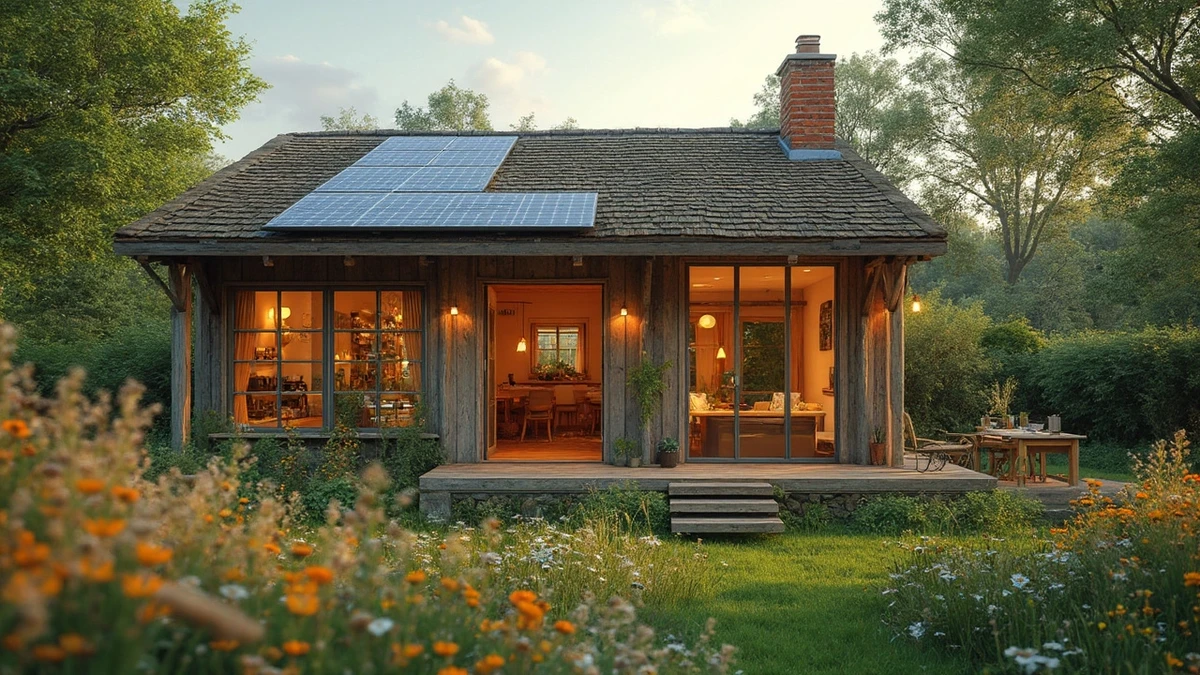
LittleCozyDen.com – Sustainable living practices are increasingly vital in cottage environments to reduce ecological footprints while maintaining comfort and functionality. Applying eco-friendly building materials, integrating renewable energy sources like solar power, adopting waste reduction strategies, and implementing sustainable landscaping are key to minimizing environmental impact in cottages. These approaches collectively advance energy efficiency, water conservation, and resource management, helping cottage owners align with modern green building standards and environmental stewardship.
eco-friendly materials such as bamboo and reclaimed wood enhance durability and lower carbon footprints in cottage construction. Solar power systems, including off-grid kits, can fully supply energy needs, particularly with setups rated around 3500W, which are suitable for seasonal variations. Native landscaping reduces water consumption and supports biodiversity, while rainwater harvesting complements water conservation efforts. Waste management practices like composting and bulk purchasing reduce landfill contributions and packaging waste. Energy efficiency is further improved by high R-value insulation, programmable thermostats, and Energy Star appliances, which collectively decrease energy demand and operational costs.
Eco-Friendly Building Materials for Sustainable Cottages
Incorporating sustainable construction materials is foundational to eco-friendly cottage living. Bamboo offers a renewable alternative to traditional lumber due to its rapid growth cycle and high tensile strength. Its use in structural components and flooring enhances durability while sequestering carbon effectively. Reclaimed wood sourced from previous structures reduces deforestation and landfill waste, simultaneously providing aesthetic warmth and historic character. Additionally, thermally modified lumber, treated without chemicals, improves resistance to moisture and pests, extending the building’s lifespan and reducing maintenance.
These materials contribute positively to indoor air quality by minimizing off-gassing associated with synthetic products. Studies indicate that bamboo’s carbon footprint is significantly lower than conventional hardwoods, often by 30-50%, making it a superior choice for sustainable cottages. Using such materials aligns with LEED certification guidelines and supports green building goals, particularly when combined with environmentally responsible adhesives and finishes.
Renewable Energy Integration in Cottage Settings
Solar power remains the most accessible renewable energy source for cottages, especially those in remote or off-grid locations. Roof-mounted photovoltaic (PV) panels can generate sufficient electricity for lighting, appliances, and heating needs. Off-grid solar kits with capacities around 3500W are capable of powering typical cottage loads, including refrigeration, cooking, and entertainment systems, without reliance on external grids. Installing these systems during the fall has advantages, such as preparing for winter energy needs and benefiting from favorable solar angles.
Smart home technologies complement solar installations by optimizing energy consumption. Programmable thermostats regulate heating and cooling efficiently, reducing unnecessary energy use. Integration with battery storage systems allows surplus solar energy to be stored and used during nighttime or cloudy periods, enhancing reliability. Energy management systems provide real-time data, enabling residents to adjust consumption behaviors proactively. However, solar power output fluctuates seasonally, necessitating backup solutions or hybrid systems in some regions.
Sustainable Landscaping Practices for Eco-Friendly Cottages
Native plants form the backbone of effective sustainable landscaping, offering ecological and economic benefits. These species are adapted to local climates and soil conditions, reducing the need for irrigation and fertilizers. Their use supports native wildlife, including pollinators, and contributes to soil health. Rainwater harvesting systems, such as cisterns and rain gardens, collect and filter precipitation for irrigation, significantly lowering potable water use.
Avoiding chemical pesticides and synthetic fertilizers is critical to maintaining biodiversity and preventing groundwater contamination. Organic mulches and integrated pest management techniques offer sustainable alternatives to conventional landscaping chemicals. Additionally, designing landscapes with drought-tolerant native plants minimizes maintenance and water consumption, supporting the cottage’s overall sustainability profile.
Waste Reduction and Resource Conservation Strategies
Applying the three Rs—reduce, reuse, recycle—is essential for minimizing waste generated in cottage environments. Composting organic waste transforms kitchen scraps and yard debris into nutrient-rich soil amendments, closing the loop on resource cycles. This practice not only diverts waste from landfills but also enhances soil fertility for garden beds.
Bulk purchasing reduces packaging waste and often lowers costs, making it a practical strategy for seasonal cottage use. Reusing building materials and repurposing furniture further decrease environmental impact while maintaining functional and aesthetic quality. Waste separation and recycling programs should be established to manage non-organic refuse responsibly, ensuring materials like glass, metal, and plastics are diverted from landfill disposal.
Energy Efficiency Technologies in Cottage Living
High-performance insulation with elevated R-values is critical in cottages to minimize heat loss and gain, reducing heating and cooling loads. Air sealing techniques prevent drafts and moisture infiltration, protecting structural integrity and improving indoor comfort. Energy Star-rated appliances deliver superior efficiency compared to standard models, decreasing electricity consumption without sacrificing performance.
Passive solar design principles, such as strategic window placement and thermal mass utilization, capture and store solar heat naturally. Natural ventilation strategies, including operable windows and ventilation stacks, reduce reliance on mechanical cooling, enhancing indoor air quality. Together, these energy efficiency measures contribute to lower operating costs and reduced greenhouse gas emissions.
Blending Traditional Aesthetics with Modern Sustainability
Modern sustainable cottages often merge rustic cabin aesthetics with cutting-edge eco-friendly features. Incorporating multifunctional furniture and space-saving designs accommodates small footprint living without sacrificing comfort. Using bamboo and reclaimed wood maintains traditional visual appeal while advancing sustainability goals.
Case studies illustrate cottages employing passive solar orientation, off-grid solar systems, and native landscaping that respect local heritage and environment. LEED-accredited architects emphasize balancing cultural context with green building technologies, demonstrating that sustainability and tradition can coexist harmoniously in cottage design.
Future Directions for Sustainable Cottage Living
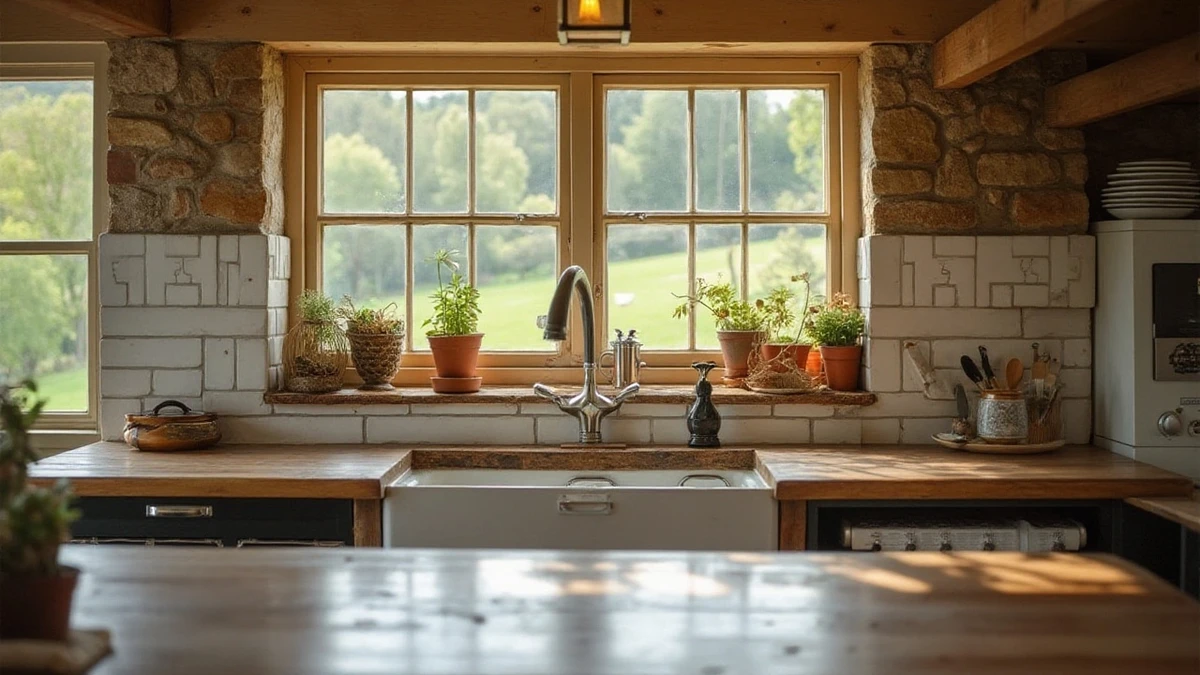
The trajectory of sustainable cottage living points toward increased integration of smart home automation, renewable energy advancements, and circular economy principles. Emerging technologies in battery storage and energy-efficient appliances will further reduce environmental impact and operational costs. Enhanced rainwater harvesting systems and native plant databases will improve water conservation efforts.
Cottage owners are encouraged to adopt holistic sustainability strategies that encompass building materials, energy systems, landscaping, and waste management. Collaborations with green building experts and adherence to recognized standards like LEED and Energy Star ensure long-term environmental and economic benefits.
| Sustainable Practice | Key Benefits | Relevant Technologies/Materials | Impact Metrics |
|---|---|---|---|
| Bamboo Building Materials | Durability, Low Carbon Footprint | Bamboo flooring, structural panels | 30-50% lower carbon emissions vs hardwood |
| Solar Power Systems | Renewable Energy Supply, Grid Independence | 3500W off-grid kits, PV panels, battery storage | Up to 100% energy needs met in off-grid cottages |
| Native Plant Landscaping | Water Conservation, Biodiversity Support | Local plant species, rain gardens, rainwater harvesting | 40-60% reduction in irrigation requirements |
| Composting Organic Waste | Waste Reduction, Soil Enhancement | Compost bins, vermiculture systems | Diverts up to 30% of household waste from landfill |
| Energy Efficiency Measures | Lower Energy Consumption, Improved Comfort | High R-value insulation, Energy Star appliances, programmable thermostats | 20-40% reduction in heating/cooling energy use |
FAQ
What are the most effective eco-friendly materials for cottage construction?
Bamboo and reclaimed wood are highly effective due to their renewability, durability, and lower carbon footprints compared to conventional lumber. Thermally modified lumber also provides enhanced resistance to moisture without chemical treatments.
Can solar power alone sustain a cottage’s energy needs?
Yes, with appropriately sized off-grid solar kits rated around 3500W and integrated battery storage, cottages can be fully powered by solar energy, especially when combined with energy-efficient appliances and smart energy management.
How does native plant landscaping contribute to sustainable cottage living?
Native plants reduce water use, require minimal maintenance, and support local ecosystems, making them ideal for sustainable landscaping. They also help prevent soil erosion and reduce the need for chemical inputs.
What waste reduction strategies are practical for cottages?
Composting organic waste, bulk purchasing to reduce packaging, reusing materials, and separating recyclables are practical strategies that effectively minimize waste generated in cottage settings.
What energy efficiency technologies are recommended for cottages?
High R-value insulation, air sealing, Energy Star-rated appliances, programmable thermostats, and passive solar design significantly reduce energy consumption while enhancing indoor comfort.
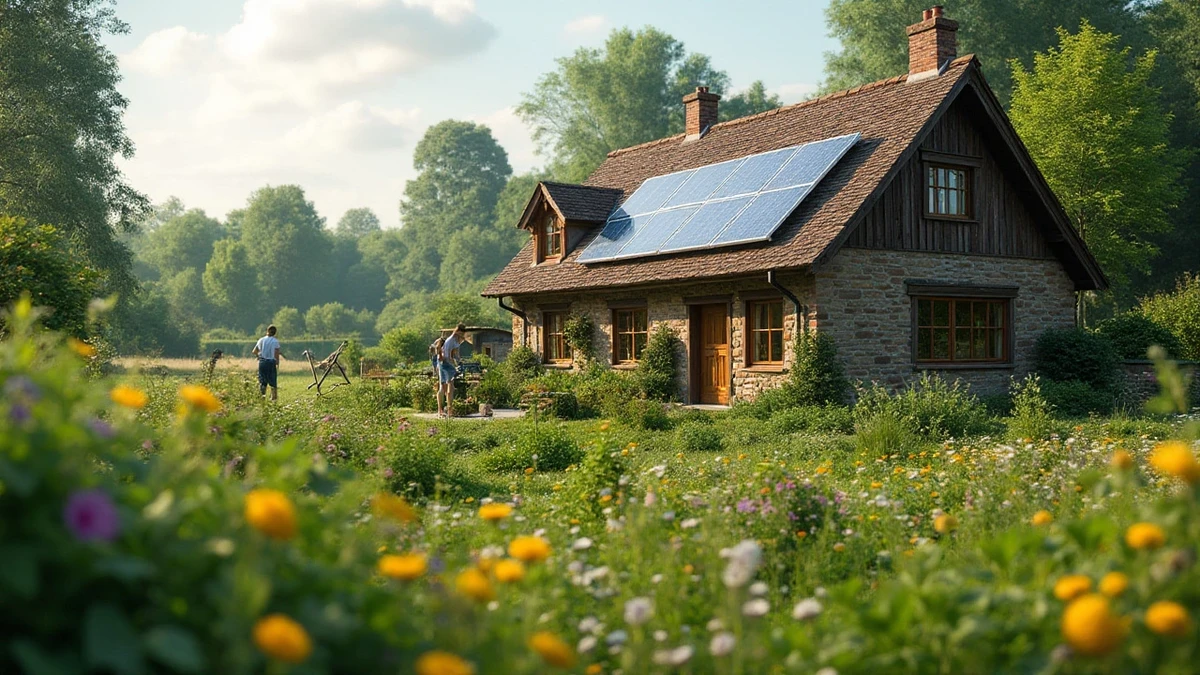
Sustainable cottage living requires an integrated approach combining eco-friendly materials, renewable energy, water conservation, waste reduction, and energy efficiency. As green building technologies evolve, cottage owners have increasing opportunities to adopt innovative solutions that lower environmental impact while preserving the charm and functionality of their homes. For further detailed insights into green cabin maintenance and off-grid solar options, consult green cabin maintenance practices and off-grid solar kits for cottages.