
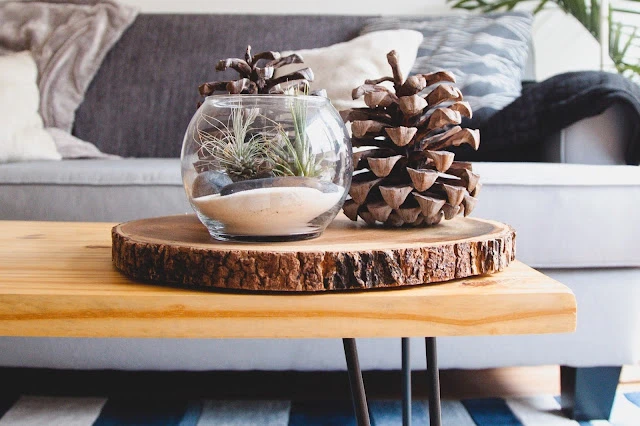
LittleCozyDen.com – Eco-friendly home decor merges sustainability, style, and health benefits by prioritizing renewable, recycled, and organic materials that minimize environmental impact while enhancing indoor living conditions. Integrating reclaimed wood, bamboo, and organic textiles reduces resource depletion and chemical exposure, while natural dyes and low-VOC paints contribute to healthier air quality. Additionally, incorporating houseplants and energy-efficient designs like passive solar orientation supports toxin absorption and lowers energy consumption. These approaches align with circular economy principles, promoting repurposing and longevity in furnishings, backed by certifications such as those from the Sustainable Furnishings Council (SFC) and Global Organic Textile Standard (GOTS).
Sustainable materials are foundational to eco-friendly home decor. Reclaimed wood and bamboo stand out for their renewability and durability, making them ideal for furniture and flooring. Reclaimed wood salvages timber from old buildings or discarded furniture, significantly reducing deforestation and carbon footprint compared to new lumber. Bamboo, a rapidly renewable grass, regenerates fully in 3-5 years, offering a strong, moisture-resistant alternative to hardwoods. Both materials contribute to lower embodied energy in home products and provide natural aesthetic warmth. Organic textiles such as cotton, hemp, and bamboo fibers are cultivated without synthetic pesticides or fertilizers, reducing harmful chemical runoff and microplastic pollution. These textiles also tend to be biodegradable and breathable, enhancing indoor comfort. Natural dyes derived from plants and minerals replace synthetic colorants, which often contain toxic heavy metals and volatile organic compounds (VOCs). Low-VOC paints further minimize indoor air toxins, improving respiratory health by reducing emissions of formaldehyde and benzene commonly found in conventional paints.
Upcycling and repurposing are vital components of the circular economy in sustainable home decor, reducing waste and conserving resources. Secondhand furniture and vintage pieces not only add unique character but also divert usable materials from landfills. HiLo Brooklyn exemplifies this trend by restoring and selling vintage furniture, blending craftsmanship with sustainability to extend product lifespans. This approach reduces the demand for new raw materials and lowers overall carbon emissions associated with manufacturing. Practical DIY upcycling projects, such as refinishing old cabinets or transforming pallets into shelving, empower homeowners to personalize spaces while minimizing environmental impact. These initiatives foster a culture of reuse and resourcefulness critical to sustainable living.
Indoor air quality (IAQ) is a central health consideration in eco-friendly home design. Houseplants like spider plants, snake plants, and peace lilies absorb toxins such as formaldehyde and benzene, releasing oxygen and increasing humidity, which can alleviate respiratory issues. Selecting low-emission materials extends beyond paints to include furnishings made from certified non-toxic substances. Certifications from organizations like the Sustainable Furnishings Council (SFC) and Global Organic Textile Standard (GOTS) ensure that products meet stringent environmental and health standards, reducing exposure to harmful chemicals. For example, CertiPUR certification guarantees foam products are free from ozone depleters and heavy metals, offering safer upholstery options. These certifications provide consumers with reliable benchmarks for choosing healthy, sustainable decor.
Energy efficiency complements eco-friendly decor by reducing household carbon footprints and enhancing comfort. Passive solar design, which optimizes building orientation, window placement, and shading, harnesses natural sunlight for heating and lighting, lowering reliance on artificial energy sources. Incorporating high-performance insulation and double- or triple-glazed windows prevents heat loss, maintaining stable indoor temperatures year-round. Energy-saving fixtures such as LED lighting consume up to 75% less energy than incandescent bulbs and have longer lifespans, contributing to reduced utility bills and lower environmental impact. Emerging hydroponic farms integrated into residential projects, as seen in developments like The BLVD Collection and Haus25, combine energy-efficient building design with sustainable food production, exemplifying holistic eco-friendly living solutions.
Supporting ethical brands and artisan craftsmanship amplifies the social sustainability of home decor. Purchasing from local artisans and fair trade sources preserves traditional techniques and promotes equitable labor practices. Artisans on platforms like Etsy offer handcrafted decor using sustainable materials and methods, fostering transparency and cultural heritage. Certifications and memberships in organizations such as the Sustainable Furnishings Council provide consumers with assurance regarding ethical sourcing and production. This support encourages circular economy principles by valuing quality, durability, and cultural significance over mass production, which typically involves higher environmental costs.
Balancing long-term value against initial costs is crucial in adopting eco-friendly home decor. While sustainable products often have higher upfront prices due to quality materials and ethical practices, their durability and health benefits yield economic and environmental savings over time. For example, reclaimed wood furniture can last decades with proper care, reducing the need for frequent replacement. Low-VOC paints and organic textiles may command premiums but contribute to improved indoor air quality, potentially lowering medical expenses associated with chemical sensitivities. Energy-efficient designs reduce utility bills and carbon emissions, further justifying initial investments. Thoughtful design choices emphasize longevity and multifunctionality, aligning with sustainable consumption patterns.
Embarking on an eco-friendly home decor journey requires a strategic, incremental approach. Starting with a single room or piece allows homeowners to integrate sustainable materials and practices without overwhelming budgets or logistics. Combining aesthetics with sustainability involves selecting items that align with personal style while meeting environmental criteria, such as choosing bamboo flooring that complements minimalist interiors or repurposed vintage furniture that enhances eclectic decor. Encouraging community engagement through local workshops or participation in sustainable furnishing organizations fosters collective impact and knowledge sharing. Industry collaboration with brands like HiLo Brooklyn and certification bodies strengthens market offerings and consumer confidence in green living.
| Material | Environmental Impact | Health Benefits | Typical Use | Certifications |
|---|---|---|---|---|
| Reclaimed Wood | Reduces deforestation; lowers embodied carbon | Low chemical exposure; natural finish options | Furniture, flooring, accent walls | SFC (Sustainable Furnishings Council) |
| Bamboo | Rapidly renewable; high carbon sequestration | Hypoallergenic; naturally antimicrobial | Flooring, furniture, blinds | FSC (Forest Stewardship Council), GOTS (for textiles) |
| Organic Textiles (Cotton, Hemp) | Reduced pesticide use; biodegradable | Lower allergen risk; no synthetic chemicals | Upholstery, curtains, bedding | GOTS |
| Natural Dyes & Low-VOC Paints | Minimal toxic emissions; biodegradable | Improved indoor air quality; reduced respiratory irritation | Wall finishes, textiles | Green Seal, GREENGUARD |
| Secondhand Furniture | Waste reduction; resource conservation | Depends on material condition; avoids new chemical treatments | Furniture, decor accents | Varies by seller |
The table above outlines the core eco-friendly materials used in sustainable home decor, highlighting their environmental and health impacts, typical applications, and relevant certifications that provide consumer assurance.
Frequently Asked Questions
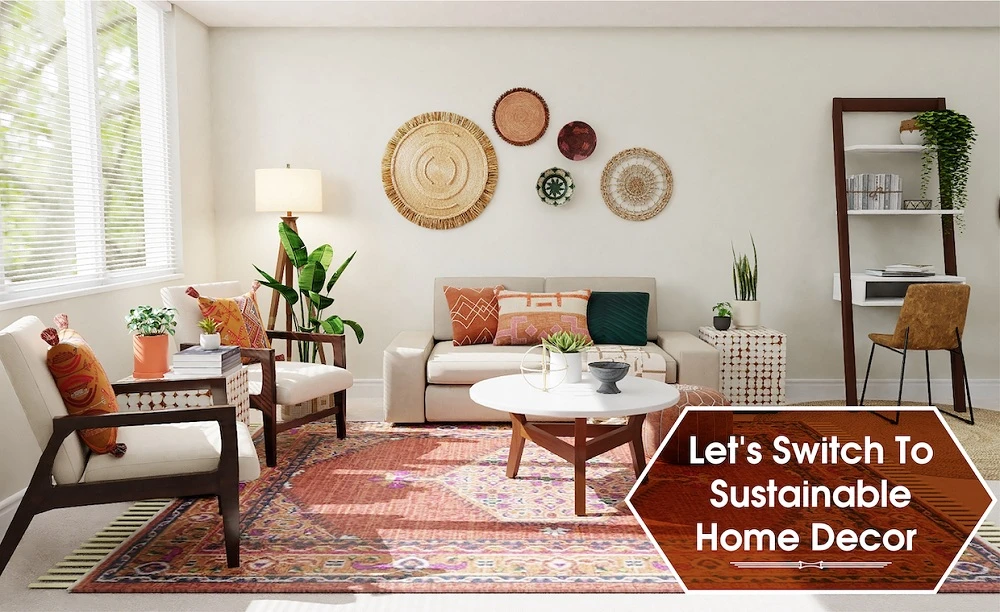
What are the most sustainable materials for home decor?
Sustainable materials include reclaimed wood, bamboo, and organic textiles such as cotton and hemp. These materials are renewable, have lower environmental footprints, and often feature certifications like SFC and GOTS to verify their sustainability and safety.
How do houseplants improve indoor air quality?
Houseplants absorb harmful indoor pollutants such as formaldehyde, benzene, and carbon monoxide, while releasing oxygen and increasing humidity. This natural air purification supports respiratory health and creates a more comfortable living environment.
Are low-VOC paints really better for health?
Yes, low-VOC paints emit significantly fewer harmful volatile organic compounds, reducing indoor air toxins that can cause headaches, respiratory irritation, and long-term health issues. Certifications like GREENGUARD verify low-emission standards.
Can upcycling old furniture be cost-effective?
Upcycling can be very cost-effective by extending the life of existing furniture, reducing the need for new purchases, and lowering waste. DIY projects also allow for customization while promoting sustainability through reuse.
What certifications should I look for when buying eco-friendly furnishings?
Look for certifications such as the Sustainable Furnishings Council (SFC) for furniture, Global Organic Textile Standard (GOTS) for textiles, and GREENGUARD or Green Seal for paints and finishes. These indicate adherence to environmental and health standards.
Adopting eco-friendly home decor requires a commitment to informed choices that balance aesthetic appeal, environmental stewardship, and health benefits. As sustainable materials and certifications become more accessible, homeowners can progressively transform their living spaces into healthier, lower-impact environments. Future developments in circular economy models and energy-efficient design promise further innovations, enabling integrated approaches that support both the planet and personal well-being.
For an expanded exploration of eco-friendly decorating strategies and sustainable product options, visit Frame It Easy’s eco-friendly decor tips and 4Ocean’s guide on stylish sustainable home decor.