
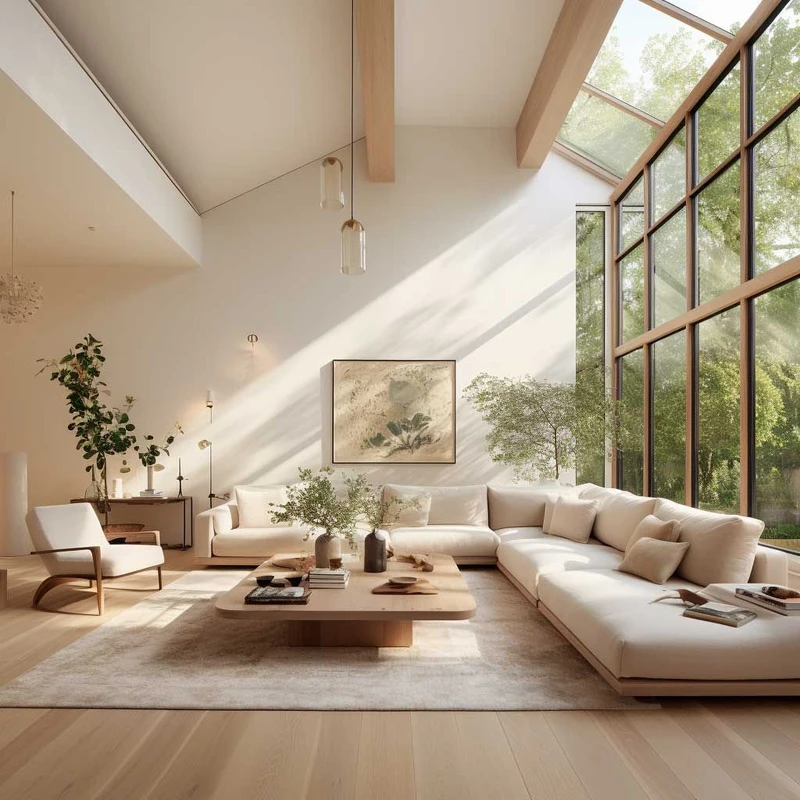
LittleCozyDen.com – Wooden furniture plays a pivotal role in defining warm minimalist homes, offering natural warmth and texture that transform minimalist interiors from cold and stark to inviting and comforting. By integrating solid wood pieces such as oak, ash, walnut, and pine with a warm neutral palette and tactile fabrics like linen, cotton, and wool, homeowners and designers create spaces that balance simplicity with organic richness. This synergy between natural materials and restrained design principles embodies the essence of warm minimalism, a style that prioritizes cozy textures and earthy tones to foster calm, elegant living environments.
Warm minimalism diverges from the cooler, more austere minimalism by emphasizing warmth through materiality and color, rather than starkness or monochrome palettes. Experienced designers such as Jeremiah Brent and João Gameiro champion this approach, incorporating sustainably sourced wood and layered textures to achieve a nuanced balance of form and function. Their work highlights how wooden furniture serves not only as functional elements but also as tactile anchors that ground minimalist interiors in natural authenticity and longevity.
Warm Minimalism and the Essential Role of Wooden Furniture
Warm minimalism centers on reducing visual clutter while retaining a sense of comfort through natural materials, muted earthy colors, and subtle texture layering. Unlike cool minimalism, which often employs monochromatic whites and greys with sleek, reflective surfaces, warm minimalism uses wood and soft fabrics to create an inviting atmosphere. The style’s key principles include simplicity, functionality, and an emphasis on quality craftsmanship, allowing wooden furniture to emerge as a cornerstone of this aesthetic.
Wooden furniture in warm minimalist interiors is typically characterized by clean lines and understated forms, avoiding ornate details in favor of essential shapes that highlight the material’s inherent beauty. For instance, solid wood dining tables crafted from oak or walnut exhibit natural grain patterns that add tactile interest without overwhelming the space. Low-profile sofas with wooden frames paired with linen upholstery further exemplify this approach, combining comfort with organic texture.
The contrast with cool minimalism is evident in color temperature and material choices. While cool minimalism favors metals, glass, and polished surfaces, warm minimalism embraces the tactile qualities of wood and woven fabrics to soften an interior’s overall feel. This distinction influences furniture selection, with warm minimalists opting for woods that exude richness and warmth through natural finishes rather than high gloss or lacquer.
Natural Wood Varieties and Their Contribution to Texture and Warmth
Commonly used wood species in warm minimalist interiors include oak, ash, walnut, and pine, each bringing unique qualities to furniture design. Oak, prized for its durability and pronounced grain, offers a robust yet refined texture that ages gracefully. Ash features a lighter color with smooth grain, adding subtle warmth without heaviness, making it ideal for low-profile furniture and cabinetry. Walnut stands out for its deep, chocolate-brown tones and fine grain, lending sophistication and richness to minimalist spaces. Pine, a softer wood with a light, creamy hue, introduces a rustic charm while maintaining the minimalist ethos through simple forms.
Finishes for these woods tend to favor matte or satin sheens that preserve the natural look and feel, avoiding overly polished or stained surfaces that can detract from the material’s organic qualities. Light finishes enhance wood’s inherent warmth and highlight grain textures, vital for creating the layered tactile experience central to warm minimalism.
In addition to solid wood, designers often incorporate veneered surfaces and engineered wood products that replicate natural textures while offering environmental benefits and cost-effectiveness. However, the preference remains for authentic wood with visible grain and texture, reinforcing the style’s connection to nature and craftsmanship.
Furniture Selection: Prioritizing Quality, Simplicity, and Longevity
Intentional furniture selection underpins warm minimalist interiors, emphasizing fewer but higher-quality pieces that endure both aesthetically and functionally. Solid wood dining tables, nesting coffee tables, and upholstered dining chairs with wooden frames exemplify this principle. These items balance simplicity in form with the tactile richness of natural wood, ensuring longevity and comfort.
Designers recommend choosing low-profile sofas with wooden legs or frames that anchor the seating area without dominating the room visually. Upholstery in natural fibers such as linen or wool complements wooden elements by adding softness and texture. Nesting coffee tables crafted from oak or ash provide functional versatility while maintaining minimalist geometry.
The aging process of wooden furniture is integral to warm minimalism’s appeal. Quality wood develops a patina over time, enhancing its character and deepening its warm tones. This aging contrasts with synthetic materials that may degrade or appear dated, reinforcing wood’s role in creating enduring minimalist environments.
Harmonizing Wood with Warm Neutral Color Palettes and Textiles
Warm neutral colors such as beige, taupe, clay, and terracotta form the backdrop for wooden furniture in warm minimalist homes. These hues carry subtle yellow or red undertones that complement wood’s natural warmth, avoiding cold or sterile effects common in cooler palettes. The resulting color scheme evokes earthiness, grounding interiors in a natural context.
Textiles play a crucial role in layering texture and reinforcing warmth. Fabrics like linen, cotton, and wool provide tactile contrast to smooth wood surfaces, adding depth without visual clutter. For example, linen curtains in warm beige soften window treatments, while wool throws on sofas introduce cozy, organic texture.
Layering these elements requires careful balance to maintain minimalism’s clean aesthetic. Avoiding heavy patterns and excessive ornamentation preserves simplicity, while choosing fabrics with subtle weave variations enhances tactile richness. This approach fosters a space that feels curated yet uncontrived.
Architectural and Design Elements Enhancing Wooden Furniture
Architectural features such as wood-clad walls and wooden cabinetry reinforce warm minimalism’s emphasis on natural materials. In combination with furniture, these elements create cohesive interiors that celebrate wood’s versatility. For instance, microcement floors paired with wooden furniture offer a smooth, matte contrast that accentuates wood grain and texture.
Lighting strategies are essential to highlight wood’s warmth. Warm-toned LED lighting, strategically placed to avoid harsh shadows, enhances wood’s natural hues and creates inviting ambiance. Layered lighting, including task, ambient, and accent lights, allows flexibility in mood and function.
Scandinavian and broader European design influences shape warm minimalism’s aesthetic vocabulary. Scandinavian wood furniture’s simplicity and craftsmanship align closely with warm minimalism, while Portuguese designers from Lisbon incorporate local materials like microcement and brass to add subtle luxury and material contrast.
Designer Insights and Practical Tips for Warm Minimalist Interiors

Experts in warm minimalist design emphasize curating fewer but better accessories and furniture pieces to retain simplicity while adding personality. Avoiding matched sets promotes authenticity and visual interest, encouraging mixing wood tones and textures.
Craftsmanship and natural textures are paramount; selecting handcrafted wooden furniture with visible joinery and organic imperfections enhances the material’s story and tactile appeal. Designers suggest prioritizing comfort alongside aesthetics, particularly in seating and dining areas.
Embracing natural aging processes rather than concealing wear aligns with warm minimalism’s ethos, celebrating wood’s evolving character. Integrating plants and natural light further complements wooden furniture, reinforcing biophilic connections.
Warm Minimalist Interior Design and Warm Minimalist Home with Wood Color Scheme provide extensive examples of these principles in practice, showcasing how wood and texture create inviting minimalist spaces.
Frequently Asked Questions

What types of wood are best suited for warm minimalist furniture?
Oak, ash, walnut, and pine are commonly preferred for warm minimalist furniture due to their natural grain, durability, and warm tonal qualities. These woods offer textures and finishes that enhance warmth without compromising minimalist simplicity.
How can wooden furniture be integrated into a minimalist color palette?
Pairing wood with warm neutral colors like beige, taupe, clay, and terracotta complements wood’s natural tones. Using textiles such as linen and wool adds texture and softness, creating layered, inviting spaces without visual clutter.
What furniture styles align with warm minimalist interiors?
Furniture with clean lines, low profiles, and simple forms—such as solid wood dining tables, nesting coffee tables, and upholstered chairs with wooden frames—best fit warm minimalist interiors. These pieces emphasize quality and craftsmanship over ornamentation.
How does warm minimalism differ from cool minimalism in furniture selection?
Warm minimalism incorporates natural wood tones and tactile fabrics, focusing on warmth and texture, whereas cool minimalism relies on monochromatic palettes, metals, glass, and polished surfaces, resulting in a more austere feel.
What lighting strategies enhance wooden furniture in warm minimalist spaces?
Using warm-toned, layered lighting—ambient, task, and accent—highlights wood grain and warmth. Avoiding harsh overhead lighting and incorporating natural light further enhances the cozy atmosphere.
Wooden furniture remains central to achieving the delicate balance of warmth and simplicity in warm minimalist homes. By selecting quality solid wood pieces, harmonizing with earthy palettes, and layering textures thoughtfully, interiors gain organic richness without sacrificing minimalist clarity. As design trends evolve, the enduring appeal of natural materials and craftsmanship continues to influence contemporary minimalist aesthetics, encouraging homeowners to embrace authenticity and comfort through wood’s timeless presence.