
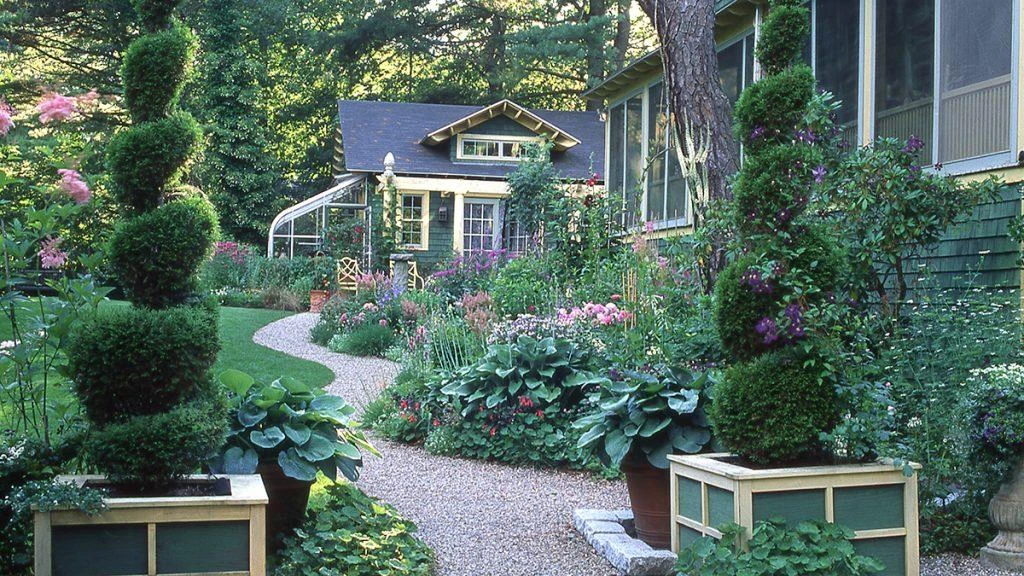
LittleCozyDen.com – sustainable gardening for cottage homes centers on selecting native or climate-adapted plants that minimize irrigation needs, employing organic methods to protect and enrich soil health, and integrating vertical gardening and layered plantings to enhance biodiversity and attract pollinators. This approach aligns with climate resilience goals by conserving water, supporting local ecosystems, and fostering soil microbial communities vital for plant growth and garden vitality.
Native plants such as honeysuckle, peonies, lavender, and foxgloves serve as foundational species in sustainable cottage gardens due to their adaptability to local conditions and their role in supporting native pollinators. Incorporating drought-tolerant species like echinacea and verbena further reduces irrigation demands while maintaining ornamental value and ecological function. These perennials, alongside small fruit trees and ornamental grasses, create a structurally diverse garden that balances aesthetic appeal with environmental stewardship.
Plant Selection: Native and Climate-Adapted Species
Choosing plants native to the region or those well-adapted to local climate conditions is critical in sustainable cottage gardening. Native species inherently require less supplemental watering and fertilizers, as they have evolved to thrive in existing soil and weather patterns. For instance, honeysuckle and lavender are not only drought-tolerant but also attract a range of native pollinators including bees and hummingbirds, enhancing garden biodiversity. Peonies and foxgloves offer layered flowering periods that extend pollinator visitation across seasons.
drought-tolerant species such as echinacea and verbena provide resilience during dry spells, a growing concern in many regions due to climate change. These plants reduce dependency on irrigation infrastructure and conserve water resources. Integrating shrubs and small fruit trees, such as elderberry or serviceberry, adds vertical structure to the garden, creating microhabitats for wildlife while yielding edible produce. Ornamental grasses further diversify garden textures and improve wind resistance, contributing to garden microclimate regulation.
Water Management and Irrigation Strategies
Effective water management in cottage gardens emphasizes minimal irrigation and the use of dense planting to conserve soil moisture naturally. Dense groundcover and layered planting mimic natural forest floors, reducing evaporation and suppressing weeds, which compete for water. Watering practices that focus on the base of plants rather than overhead irrigation minimize water waste and reduce fungal diseases by keeping foliage dry.
Container gardens, common in smaller cottage spaces, benefit from organic potting mixes rich in moisture-retaining components like coconut coir and composted bark. These substrates sustain plant hydration while supporting microbial life essential for nutrient cycling. Rainwater harvesting systems and soaker hoses are practical implementations to optimize water use efficiency. Designing gardens with natural flood defenses, such as swales or rain gardens, further manages excess water during heavy rains, reducing runoff and enhancing groundwater recharge.
Soil Health and Organic Gardening Practices
sustainable gardening prioritizes maintaining nutrient-rich, biologically active soils, essential for plant health and resilience. Chemical fertilizers and pesticides disrupt soil microbial communities and can lead to long-term fertility decline. Organic methods, including the application of compost, mulch, and cover crops, foster a regenerative soil ecosystem by enhancing organic matter and promoting diverse microbial populations.
In container gardening, using organic potting mixes enriched with beneficial microbes sustains soil vitality. Practices such as crop rotation and interplanting prevent nutrient depletion and break pest cycles, supporting long-term garden productivity. The incorporation of mycorrhizal fungi inoculants can improve plant nutrient uptake and drought tolerance, aligning with climate-resilient gardening principles.
Garden Design Elements Enhancing Sustainability
Vertical gardening and plant layering maximize biodiversity and spatial efficiency in cottage gardens, particularly where space constraints exist. Vertical structures like trellises and fences support climbing plants such as honeysuckle and clematis, expanding planting area vertically and providing habitats for beneficial insects. Layering involves arranging plants of varied heights—from ground covers and perennials to shrubs and small trees—creating microhabitats and enhancing ecological complexity.
informal planting styles with diverse textures and colors mimic natural ecosystems and provide continuous floral resources for pollinators. Pathways constructed with permeable materials reduce water runoff and encourage soil aeration. Incorporating ornamental grasses and flowering perennials within these designs supports year-round habitat availability and sustains biodiversity.
Supporting Biodiversity and Pollinators
Pollinator-friendly gardens are integral to sustainable cottage landscaping, facilitating essential ecosystem services and enhancing plant reproduction. Species such as lavender, echinacea, and foxgloves attract bees, butterflies, and hummingbirds, forming a dynamic pollinator network. Creating wildlife-friendly habitats involves providing nesting sites through features like bee hotels and leaving leaf litter or deadwood for native fauna.
Diverse planting ensures staggered bloom times, supporting pollinators throughout their active seasons. Avoiding pesticides and herbicides protects these beneficial species and maintains a balanced garden ecosystem. Integrating native flowering shrubs and small trees further enriches habitat complexity and food availability.
Small Space and Container Gardening Solutions
Sustainable gardening techniques adapt well to small urban cottage gardens through container gardening and vertical planting. Containers made from organic or recycled materials can be filled with nutrient-rich potting mixes to cultivate perennials, herbs, and drought-tolerant species. Techniques such as using five-gallon bucket gardens provide portable, space-efficient growing options for fruit trees or layered perennials.
Vertical gardening structures, including wall-mounted planters and trellises, create additional planting surfaces. Grouping containers strategically conserves microclimate moisture and facilitates targeted watering. Small-scale composting systems, like vermicomposting bins, enable organic waste recycling and soil enrichment even in limited spaces.
Integrating Regenerative Landscaping and Climate Action

Regenerative landscaping principles emphasize restoring ecological health, enhancing biodiversity, and sequestering carbon within garden environments. Practices such as minimal soil disturbance, native planting, and organic soil amendments build resilient landscapes capable of adapting to climate variations. Cottage gardens designed with these principles contribute to broader climate action efforts by reducing resource inputs and fostering ecosystem services.
Educational resources and local extension programs offer training on sustainable yard transformation, focusing on water conservation, native biodiversity, and soil regeneration. Adopting these methods can transform cottage gardens into ecological assets that support community climate resilience.
| Sustainable Gardening Aspect | Key Practices | Benefits |
|---|---|---|
| Plant Selection | Native and drought-tolerant species; perennials and small trees | Water conservation, pollinator support, biodiversity enhancement |
| Water Management | Watering at plant bases, dense planting as mulch, rainwater harvesting | Reduced water waste, disease prevention, improved soil moisture retention |
| Soil Health | Organic amendments, microbial inoculants, avoiding chemicals | Improved nutrient cycling, soil fertility, disease resistance |
| Garden Design | Vertical gardening, layering, informal planting | Maximized space, increased habitat diversity, aesthetic variety |
| Biodiversity Support | Pollinator-attracting plants, wildlife habitats, pesticide avoidance | Enhanced ecosystem services, improved plant reproduction |
| Small Space Solutions | Container gardening, vertical structures, compact composting | Accessibility, efficient resource use, urban adaptability |
| Regenerative Landscaping | Minimal soil disturbance, native planting, organic care | Climate resilience, carbon sequestration, ecosystem restoration |
FAQ

What are the best native plants for sustainable cottage gardens?
native plants such as honeysuckle, peonies, lavender, and foxgloves are ideal for sustainable cottage gardens because they thrive with minimal irrigation and attract native pollinators. Drought-tolerant species like echinacea and verbena also contribute to water-wise gardening while supporting biodiversity.
How can I conserve water in a small cottage garden?
Conserving water involves watering at the plant base to minimize evaporation, planting densely to create natural mulch, and utilizing rainwater harvesting systems. Incorporating drought-tolerant plants and using organic potting mixes that retain moisture in container gardens further optimize water use.
Why is soil health important in sustainable gardening?
Healthy soil rich in organic matter and beneficial microorganisms supports nutrient cycling, improves plant growth, and enhances resilience against pests and diseases. Avoiding synthetic chemicals and applying organic amendments foster a regenerative soil ecosystem essential for sustainable gardening.
How does vertical gardening contribute to sustainability?
Vertical gardening maximizes space in small gardens, increases plant diversity, and creates habitats for pollinators. It also improves air circulation and reduces soil erosion, enhancing overall garden health and biodiversity.
What role do pollinators play in cottage gardens?
Pollinators such as bees and butterflies facilitate plant reproduction by transferring pollen, which supports fruit and seed production. Gardens designed to attract pollinators enhance biodiversity and contribute to ecosystem stability.
Sustainable gardening for cottage homes not only conserves resources but actively nurtures local ecosystems, creating resilient, biodiverse, and climate-adaptive spaces. By integrating native plants, organic practices, thoughtful water management, and regenerative landscaping principles, cottage gardeners can ensure their spaces contribute meaningfully to environmental health and sustainability.
For further insights on sustainable gardening practices and cottage garden design, consult scientific resources on sustainable gardening and explore expert cottage garden design advice.