
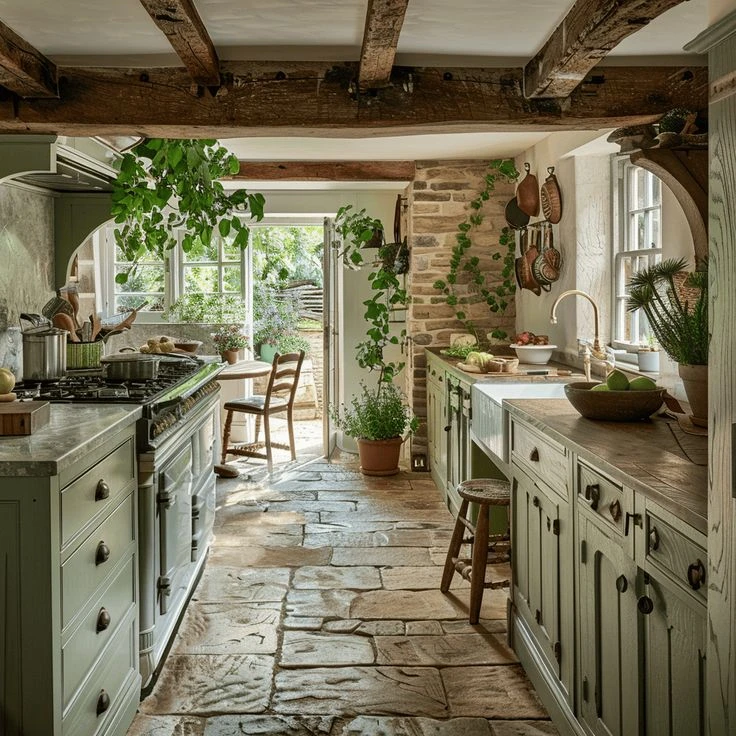
LittleCozyDen.com – cottage kitchen design remains a sought-after style for homeowners aiming to balance warmth, nostalgia, and modern convenience. Characterized by natural materials, vintage-inspired cabinetry, and artisan hardware, this design ethos combines the cozy charm of rural living with functional layouts suitable for contemporary lifestyles. Central to the cottage kitchen aesthetic are wooden cabinets—often shaker style—paired with stone or ceramic surfaces, complemented by vintage decor elements that evoke timeless elegance. Modern adaptations integrate smart storage solutions and high-tech appliances, ensuring these kitchens meet the demands of today’s culinary spaces without sacrificing authenticity.
The enduring appeal of cottage kitchens lies in their ability to evoke comfort and tradition while adapting to various kitchen sizes and layouts. Features such as freestanding furniture and range cookers serve as focal points, creating a harmonious blend of rustic and refined elements. Designers like Sharon L. Sherman emphasize the importance of balancing built-in cabinetry with freestanding pieces to maintain an uncluttered, inviting atmosphere. This approach allows for flexible use of space, especially vital in smaller kitchens where maximizing functionality without losing character is paramount.
Key Elements of Cottage Kitchen Style
natural materials form the cornerstone of cottage kitchen design, with wood, stone, and ceramic playing prominent roles. Oak flooring and butcher block countertops add warmth and texture, while ceramic tiles often appear in backsplashes or flooring to enhance durability and rustic appeal. Vintage and artisan hardware—such as brass fittings and handcrafted knobs—introduce subtle visual interest and craftsmanship, underscoring the style’s emphasis on detail.
Color palettes in cottage kitchens typically favor muted, warm tones that reinforce a welcoming environment. Soft whites, creams, and pastel hues frequently appear alongside navy or forest greens, as seen in the Little Green Cottage renovation, where navy shaker cabinets contrast elegantly with white shelving and countertops. These color choices complement natural wood finishes and vintage brass accents, creating a cohesive and inviting space.
Balancing Tradition with Modern Functionality
Integrating modern conveniences without compromising the cottage aesthetic requires thoughtful design. High-tech appliances, including smart ovens and energy-efficient refrigerators, are often concealed behind shaker cabinetry to maintain a seamless look. Open shelving provides easy access to frequently used items while displaying curated collections of vintage kitchenware.
Freestanding vintage furniture pieces, such as an antique kitchen island or a rustic wooden table, coexist alongside built-in cabinetry to add character and flexibility. This mix allows homeowners to introduce personalized touches and adapt the space as needed. Maintaining an uncluttered layout is essential; designers recommend limiting countertop clutter and optimizing storage with pull-out drawers and organizers that respect the kitchen’s traditional lines.
Design Strategies for Small Cottage Kitchens
Small cottage kitchens pose unique challenges that can be addressed through flexible furniture and clever use of architectural features. Freestanding kitchen furniture, like movable carts or open shelving units, provides versatility and additional workspace without permanent installation. Utilizing vertical space through wall-mounted shelves maximizes storage potential in limited square footage.
Architectural elements such as chimney breasts and fireplaces offer both functional and aesthetic opportunities. These features serve as natural focal points and can be adapted to incorporate range cookers—a hallmark of traditional cottage kitchens. Open shelving adjacent to these areas enhances visual openness and allows for decorative displays, further enriching the kitchen’s charm.
Blending Cottage with Other Design Styles
Cottage kitchens often intersect with country and farmhouse styles, sharing elements like natural wood finishes, open shelving, and rustic hardware. However, transitional design elements introduce contemporary lines and materials, creating a versatile space that appeals to modern sensibilities. This blending allows for smoother integration of smart appliances and minimalist storage solutions while preserving the warmth and texture characteristic of cottage kitchens.
For example, a transitional cottage kitchen might feature quartzite countertops paired with shaker cabinetry and vintage brass fittings, combining durability with aesthetic appeal. This hybrid approach supports diverse tastes and enhances the kitchen’s long-term adaptability.
Case Studies and Real-Life Examples
The Little Green Cottage renovation exemplifies the successful marriage of traditional and modern cottage kitchen elements. Navy shaker cabinets with vintage brass hardware create a striking yet inviting palette, complemented by quartzite countertops and open shelving that showcases artisanal ceramics. The kitchen’s layout incorporates a freestanding timber island with fluted detailing, adding tactile interest and additional workspace.
Herringbone oak flooring, a nod to classic craftsmanship, ties the space together while brass fittings on cabinetry and range cooker accents reinforce the vintage-inspired atmosphere. This project demonstrates how thoughtful use of materials and finishes can preserve cottage charm while enhancing functionality.
Finishing Touches and Decor Ideas

Patterned textiles, such as gingham or floral curtains and cushions, bring softness and visual warmth to cottage kitchens. Curated clutter—like vintage jars, pottery, and hand-thrown ceramics—adds personality without overwhelming the space. Garden-inspired greenery, including potted herbs and fresh flowers, injects natural color and a sense of freshness.
Lighting plays a crucial role in enhancing the kitchen’s ambiance. Warm-toned pendant lights or wrought iron fixtures complement brass hardware and wooden elements, creating layered illumination that highlights architectural features and work areas. These finishing touches reinforce the cottage kitchen’s balance of comfort and style.
FAQ

What materials are best for a cottage kitchen design?
Natural materials such as wood (especially oak), stone, ceramic tiles, and butcher block countertops are ideal for cottage kitchens. These materials provide warmth, texture, and durability, aligning with the style’s traditional and rustic roots.
How can modern appliances fit into a vintage-inspired cottage kitchen?
Modern appliances can be integrated discreetly by concealing them behind shaker-style cabinetry or selecting models with retro designs. Smart storage solutions and open shelving also help maintain functionality without compromising the kitchen’s nostalgic aesthetic.
What are effective storage solutions for small cottage kitchens?
Utilizing vertical space with open shelving, incorporating freestanding furniture like movable carts, and installing pull-out drawers and organizers can maximize storage in small kitchens while preserving the open, cozy feel characteristic of cottage design.
How do I blend cottage style with farmhouse or transitional design?
Blending these styles involves combining key elements such as natural wood finishes and vintage hardware (cottage) with farmhouse features like apron sinks or shiplap walls, and transitional touches like quartzite countertops or streamlined cabinetry. This creates a cohesive yet dynamic space.
What lighting options enhance a cottage kitchen’s atmosphere?
Warm-toned pendant lights, wrought iron fixtures, and brass-accented lamps complement cottage kitchens by adding soft, layered lighting that enhances warmth and highlights architectural details, contributing to an inviting ambiance.
Cottage kitchen design continues to evolve, embracing technological advancements and smart storage while retaining its quintessential warmth and character. Future adaptations will likely emphasize sustainable materials and energy-efficient appliances integrated seamlessly with vintage-inspired aesthetics. Homeowners and designers are encouraged to explore personalized combinations of traditional and modern elements to create kitchens that honor heritage while meeting contemporary needs.
For further inspiration and detailed design strategies, industry authorities offer extensive resources such as Homes & Gardens’ small cottage kitchen ideas and Martha Stewart’s cottage kitchen design guidance.