
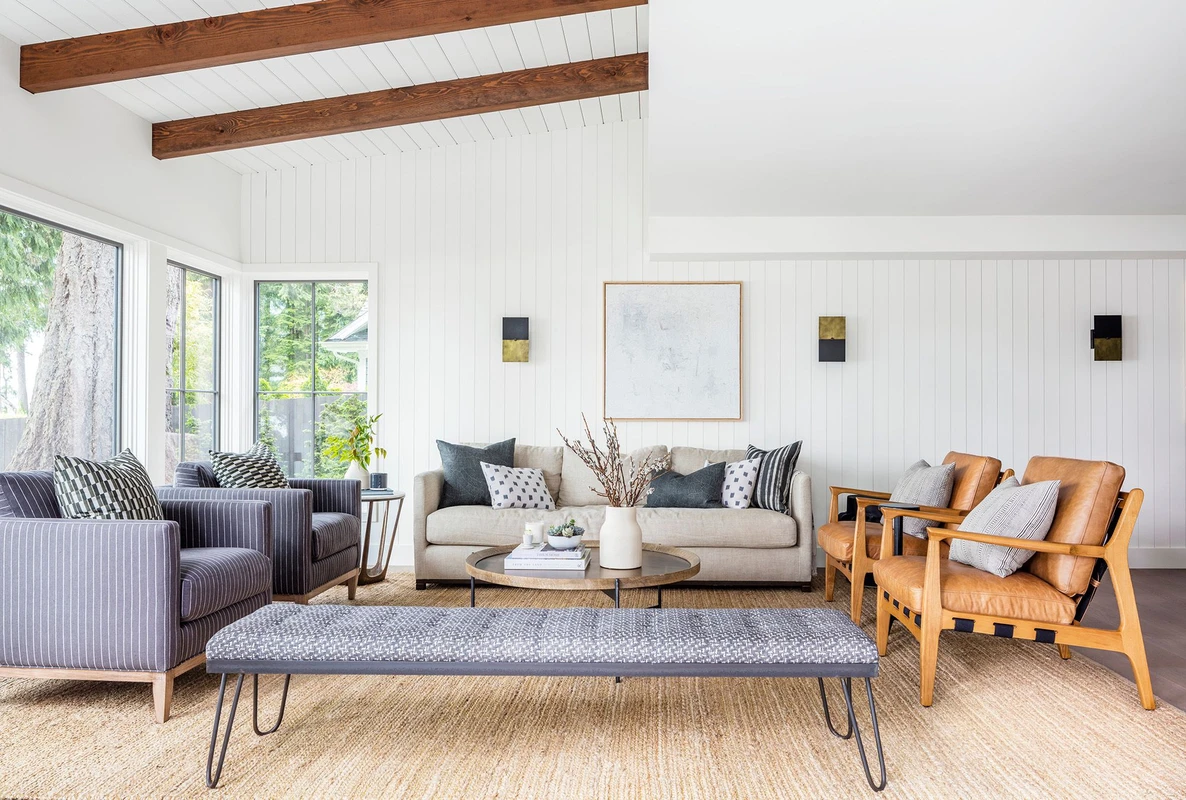
LittleCozyDen.com – Soft textiles form an indispensable component of minimalist living spaces, where design principles prioritize simplicity, functionality, and comfort without sacrificing warmth and tactile appeal. Selecting the right textiles involves a nuanced understanding of material properties, sustainability credentials, and aesthetic compatibility with minimalist interiors. For homeowners and designers seeking to enhance minimalist environments, organic and natural fibers such as GOTS certified Turkish cotton, linen, wool, and jute provide unmatched softness, durability, and eco-friendly credentials. These materials, combined with neutral color palettes and expert craftsmanship, deliver textiles that contribute to both the visual cleanness and cozy atmospheres essential in minimalist homes.
The choice of textiles in minimalism transcends mere decoration, influencing indoor air quality, tactile comfort, and environmental impact. GOTS (Global Organic Textile Standard) certification, widely regarded as the highest international benchmark for organic textiles, ensures that products are free from hazardous chemicals and produced under stringent environmental and social criteria. This certification supports a sustainable lifecycle, making GOTS certified textiles like Turkish cotton bathrobes and towels particularly attractive for minimalists aiming for health-conscious, eco-friendly interiors. Turkish cotton’s long fibers enhance softness and absorbency, outperforming many synthetic options in longevity and feel, which aligns with minimalist values of quality over quantity.
The Role of Sustainable and Certified Textiles in Minimalist Homes
GOTS certification mandates rigorous standards across the entire textile supply chain—from organic farming of raw materials to environmentally safe dyeing and fair labor conditions. Choosing GOTS certified textiles not only reduces exposure to chemicals but also lessens the environmental footprint of home textiles. According to Seyante, a leading brand specializing in minimalist organic textiles, integrating certified organic fabrics supports a conscious lifestyle that complements minimalist design philosophy by emphasizing mindful consumption and durability.
Beyond certification, sustainable textiles contribute significantly to indoor air quality and hypoallergenic environments. natural fibers such as Turkish cotton and wool are inherently breathable and moisture-wicking, minimizing mold and dust mite proliferation, which synthetic fabrics can exacerbate. This is critical in minimalist spaces that often rely on fewer, more functional items to avoid clutter, making each textile’s performance paramount for comfort and hygiene.
Natural Fibers as the Cornerstone of Minimalist Textiles
Turkish cotton stands out among natural fibers due to its extra-long staple length, which results in finer, smoother yarns that enhance fabric softness and strength. These properties make Turkish cotton ideal for towels, robes, and bedding in minimalist homes, where tactile quality must support both aesthetics and daily usability. Its high absorbency and quick-drying nature also contribute to practical functionality, reducing the need for frequent replacements.
Linen and wool complement Turkish cotton by adding textural variety and seasonal adaptability. Linen’s slightly coarse texture and excellent breathability provide cooling comfort in warmer months, while wool blends add insulating warmth in cooler seasons. Jute fiber, often used in rugs and decorative cushions, introduces an organic texture that balances softness with rustic durability, reinforcing the minimalist emphasis on natural materials. When combined thoughtfully, these fibers enable a layered tactile experience that enriches minimalist interiors without visual clutter.
In contrast, microfiber fabrics, composed of ultra-fine synthetic fibers, offer advantages such as stain resistance and hypoallergenic properties, making them suitable for households with pets or high traffic. However, microfiber lacks the biodegradability and natural breathability of organic fibers, which may influence purchasing decisions for environmentally conscious consumers. Polyester blends are also common but may conflict with minimalist ideals that favor sustainability and natural textures.
Craftsmanship and Durability: Pillars of Minimalist Textile Quality
The durability of textiles in minimalist spaces is heavily influenced by craftsmanship, which ensures that fewer items can deliver prolonged utility and aesthetic appeal. Indicators of superior craftsmanship include fabric weight, tight and even stitching, and meticulous finishing processes that prevent fraying and pilling. High-quality textiles maintain their structural integrity and appearance through frequent use and laundering, aligning with minimalist values that prioritize longevity and reduce waste.
Craftsmanship also reflects in design subtlety—minimalist textiles often feature understated patterns or solid neutral hues, with texture playing a pivotal role in visual interest. Seyante’s collections, for example, emphasize timeless cuts and natural dyeing techniques that add depth without overpowering simplicity. This approach supports a “soft minimalism,” where textiles blend clean lines with cozy, inviting surfaces, enhancing the home’s atmosphere without compromising the minimalist ethos.
Color Palettes and Design: Embracing Timeless Neutrals
neutral color palettes are fundamental in minimalist interior design due to their versatility and ability to foster calm, uncluttered environments. Whites, beiges, soft greys, and earth tones serve as the foundation for textile choices, creating a cohesive visual narrative that adapts seamlessly to changing decor elements. These colors also accentuate the natural hues of fibers like linen and wool, reinforcing the connection between material authenticity and design purity.
Soft minimalism advocates for balancing clean architectural lines with natural textures and subtle tonal variations. Introducing textiles in warm neutrals enhances the tactile dimension of minimalist rooms, preventing sterility while maintaining simplicity. Layering cushions, throws, and curtains in complementary shades adds depth without visual noise, enabling minimalist spaces to feel both sophisticated and inviting.
Integrating Soft Textiles into Minimalist Living Spaces
Functional textiles such as towels, robes, cushions, and curtains play dual roles in minimalist homes by delivering comfort and reinforcing design coherence. For instance, Turkish cotton towels and robes offer plush, absorbent qualities essential for everyday use while adhering to minimalist aesthetics through simple, elegant designs and muted colors. Cushions and throws crafted from wool or linen provide texture layering that enriches seating areas without clutter.
Seasonal textile swaps are an effective strategy for maintaining freshness in minimalist interiors. Lightweight linen and cotton can be replaced by wool blends and velvet fabrics during colder months, ensuring consistent comfort aligned with seasonal needs. Velvet, when used sparingly, introduces a subtle luxury to minimalist spaces, contributing softness and depth without overwhelming the restrained palette.
Textile Selection for Diverse Household Needs
Households with specific requirements such as allergy sensitivity or pet ownership may benefit from microfiber textiles, which combine durability with hypoallergenic and stain-resistant properties. These synthetic fabrics reduce allergen accumulation and are easier to maintain in busy homes, offering practical solutions without deviating from minimalist design integrity.
High-traffic areas demand textiles with enhanced durability. Heavyweight Turkish cotton or wool blends withstand frequent use and washing, preserving appearance and function over time. Minimalist homes that invest in fewer, higher-quality pieces experience long-term benefits in sustainability and aesthetic retention.
Luxury accents can be introduced through carefully chosen velvet and wool blends, which add tactile richness and visual interest. These materials, though costlier, align with the minimalist philosophy of investing in superior, lasting items rather than disposable trends.
| Fiber Type | Key Characteristics | Ideal Uses in Minimalist Homes | Sustainability & Care |
|---|---|---|---|
| Turkish Cotton | Long fibers, high absorbency, soft, durable | Towels, robes, bedding | GOTS certified options available; machine washable; long lifespan |
| Linen | Breathable, textured, moisture-wicking | Curtains, cushions, summer throws | Organic linen preferred; gentle washing; improves with age |
| Wool Blends | Insulating, soft, natural warmth | Throws, cushions, upholstery | Ethically sourced; dry clean or gentle wash; durable |
| Jute Fiber | Coarse texture, rustic durability | Rugs, decorative cushions | Biodegradable; spot clean; adds natural texture |
| Microfiber | Hypoallergenic, stain-resistant, synthetic | Upholstery, pet-friendly cushions | Less sustainable; easy maintenance; durable |
| Velvet | Soft, luxurious, tactile depth | Accent cushions, throws | Requires delicate care; adds subtle luxury |
Forward-Looking Perspectives on Minimalist Textile Choices

As sustainable living gains momentum, minimalist homeowners and designers increasingly prioritize textiles that marry environmental responsibility with durability and tactile appeal. Innovations in organic textile production and certification processes like GOTS continue to elevate standards, ensuring that future fabric selections support both ecological goals and design integrity. Emerging trends suggest a growing interest in multi-functional textiles that respond to seasonal changes and lifestyle needs without compromising minimalist aesthetics.
Digital platforms and brands such as Seyante provide valuable resources for consumers seeking transparency and quality in home textiles, further promoting informed, conscious purchasing. The integration of natural fibers with expert craftsmanship and timeless color schemes will remain central to achieving minimalist interiors that are as comfortable as they are sustainable.
Frequently Asked Questions

What makes Turkish cotton ideal for minimalist home textiles?
Turkish cotton’s extra-long fibers yield soft, durable, highly absorbent textiles that maintain quality over time. Its natural breathability and GOTS certified options support both comfort and sustainability, aligning with minimalist values of quality and eco-consciousness.
How does GOTS certification impact textile quality and sustainability?
GOTS certification ensures textiles are produced organically without harmful chemicals, promoting environmental and social responsibility. Certified textiles also offer safer, hypoallergenic options for homes, reducing toxic exposure and improving durability.
Can synthetic fabrics like microfiber fit into minimalist interiors?
Microfiber fabrics provide practical benefits such as stain resistance and hypoallergenic qualities, suitable for high-traffic or pet-friendly homes. However, they lack biodegradability and natural breathability, making them less aligned with sustainability-focused minimalism.
Which natural fibers are best for seasonal textile changes in minimalist homes?
Linen and cotton excel in warmer months due to breathability, while wool blends and velvet provide insulation and warmth during colder seasons. Incorporating these fibers allows minimalist homes to maintain comfort year-round without sacrificing style.
How do color palettes influence minimalist textile design?
Neutral colors like whites, beiges, and earth tones create adaptable, calming backdrops that emphasize simplicity and material authenticity. These palettes enable layering of textures without visual clutter, essential for soft minimalism aesthetics.
For further insights on minimalist textile selection and sustainable living, readers may consult Seyante’s guide to quality home textiles and expert perspectives found in Architectural Digest’s minimalist living room ideas.