
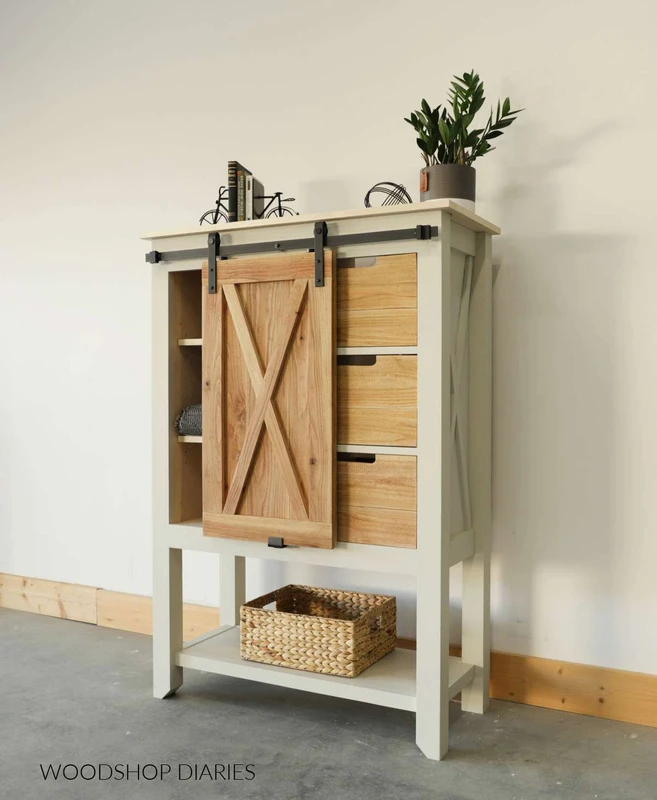
LittleCozyDen.com – DIY furniture projects offer a practical path for beginners to enter woodworking, blending affordability, accessibility, and creative satisfaction. Utilizing 2×4 lumber, widely praised for its strength and versatility, novices can assemble functional pieces such as benches, tables, and shelves with minimal tools and straightforward joinery methods. These projects not only serve as an introduction to woodworking skills but also yield durable furniture when combined with essential techniques like sanding, gluing, and finishing.
2×4 lumber remains a cornerstone material for beginner furniture projects due to its universal availability and structural integrity. Its dimensional stability supports both indoor and outdoor applications, accommodating designs ranging from rustic farmhouse-style benches to modern minimalist tables. When paired with basic tools such as drills and sanders, 2x4s enable crafters to achieve professional-quality results without steep learning curves or expensive equipment.
Why 2×4 Lumber Is Ideal for Beginner Furniture Projects
2×4 lumber’s affordability and strength make it uniquely suited for DIY furniture, especially for those new to woodworking. Typically priced significantly lower than hardwoods, 2x4s allow beginners to experiment without financial risk. Their consistent dimensions simplify measuring and cutting, reducing potential errors during project assembly. Additionally, 2x4s’ robustness handles common joinery stresses, such as screws and wood glue, ensuring the finished pieces withstand daily use.
Versatility is another critical factor—2x4s can be adapted for various furniture styles and environments. For outdoor projects, pressure-treated or cedar 2x4s resist moisture, while indoor projects benefit from pine or fir’s smooth grain for easier finishing. This material flexibility supports a wide range of beginner projects, from garden benches to floating shelves, making 2x4s a reliable foundation in woodworking plans.
Essential Tools and Techniques for DIY Furniture Building
A basic toolkit suffices for most 2×4 furniture projects, focusing on accessibility for beginners. Core tools include a circular saw or miter saw for accurate cutting, a cordless drill for screw insertion and pilot holes, a screwdriver, clamps to stabilize pieces during assembly, and an orbital sander for smoothing surfaces. These tools balance cost, ease of use, and efficiency, empowering novices to complete projects confidently.
Joinery methods emphasize simplicity and strength. Combining wood glue with screws creates durable joints; the glue distributes stress evenly while screws provide mechanical fastening. Pocket hole joinery, popularized by manufacturers like Kreg Tool, offers a beginner-friendly technique that hides fasteners and enhances structural integrity. Proper pre-drilling of screw holes prevents wood splitting, a common beginner challenge.
Sanding is critical not only for aesthetics but also for safety, as it removes splinters and prepares surfaces for finishes. Starting with coarse grit (around 80) to remove roughness, progressing to finer grits (up to 220) yields smooth, paint-ready surfaces. Finishing techniques such as staining, painting, or applying polyurethane protect wood from moisture, UV damage, and wear, extending furniture lifespan and appearance.
Popular Easy DIY Furniture Ideas for Beginners
Benches and stools are among the simplest and most versatile beginner projects. A basic 2×4 bench typically involves cutting four legs, a seat frame, and slats, assembled with screws and glue. Such projects teach fundamental measuring, cutting, and joining skills while producing useful furniture for entryways, patios, or dining areas.
Small tables, including coffee tables and side tables, introduce additional challenges like precise leg alignment and surface finishing. Designs often incorporate shelves or storage compartments, enhancing functionality. For example, Ana White’s free plans feature customizable coffee tables with optional drawers, offering incremental complexity for skill development.
Shelving and storage units maximize space utilization with straightforward design. Floating shelves using 2×4 brackets or open cubby units demonstrate varying levels of woodworking techniques while accommodating diverse storage needs. These projects reinforce skills like level measurements, secure mounting, and finishing.
Outdoor furniture, such as garden planters and patio benches, translates indoor woodworking skills to weather-resistant projects. Using pressure-treated 2x4s or applying protective finishes like Shou Sugi Ban—a traditional Japanese technique of charring wood surfaces—enhances durability and aesthetic appeal. This finish provides natural resistance to insects and decay, ideal for outdoor use.
Using Scrap and Reclaimed Wood in Furniture Projects
Incorporating scrap and reclaimed wood in furniture making delivers environmental benefits by reducing waste and minimizing demand for new lumber. Economically, repurposing leftover wood from other projects lowers material costs, a significant advantage for beginners on a budget. However, working with reclaimed wood requires assessment for defects like warping, nails, or rot, which can complicate construction.
Creative applications include accent panels on benches or tabletops, mixing wood types for unique textures, or assembling small items like shelves and stools. Finishing reclaimed wood involves thorough sanding and sealing to stabilize surfaces and highlight natural grain patterns. Applying durable finishes like polyurethane or natural oils preserves reclaimed materials while enhancing appearance.
Step-by-Step Guide: Building a Modern Backless Bench with 2x4s
A modern backless bench exemplifies a beginner-friendly project combining simplicity with style. Initial steps involve selecting straight 2x4s and measuring cuts precisely—four legs at 18 inches, two side aprons at 36 inches, and slats for the seat. Cutting with a miter or circular saw ensures clean edges.
Assembly begins by creating the bench frame, joining aprons to legs using pocket holes and wood glue for strength. Seat slats attach atop the frame, spaced evenly and secured with screws. Sanding all surfaces with a progression from 80 to 220 grit removes roughness and prepares for finishing.
Finishing options include a clear polyurethane coat for natural wood look or a wood stain to complement interior decor. Sanding between coats maximizes smoothness and adherence. Safety precautions such as wearing goggles, gloves, and dust masks during cutting and sanding are essential to prevent injury.
Customization can include adjusting bench length, adding storage underneath, or applying decorative finishes like paint or Shou Sugi Ban charring for outdoor use.
Resources for Free and Paid DIY Furniture Plans
Ana White’s online platform offers an extensive repository of free, user-tested woodworking plans, catering to all skill levels. Her designs emphasize straightforward construction with clear instructions, material lists, and photos, making them ideal for beginners seeking reliable guidance.
Woodcraft provides downloadable plans ranging from simple to advanced projects, including detailed diagrams and step-by-step instructions. Their plans often incorporate innovative joinery and finishing techniques, supporting skill progression.
Kreg Tool’s educational resources focus on teaching effective woodworking joinery, especially pocket hole techniques. Their project tutorials combine tool recommendations and safety tips, enhancing beginners’ confidence and craftsmanship.
Ana White DIY Furniture Plans and Kreg Tool Woodworking Tutorials are authoritative sources that provide comprehensive support for novice furniture makers.
Future Directions and Practical Next Steps in DIY Furniture Building

As woodworking technology advances, incorporating digital tools like CNC routers and augmented reality project guides will further democratize furniture building, enabling beginners to create complex designs with precision. Meanwhile, sustainable practices such as using reclaimed wood and eco-friendly finishes will gain prominence, aligning DIY furniture with environmental consciousness.
Practical next steps for beginners include investing in quality basic tools, starting with simple 2×4 projects to build foundational skills, and gradually exploring more advanced joinery and finishing methods. Engaging with online DIY communities offers peer support and inspiration, while adhering to safety protocols ensures a positive building experience.
Embracing incremental learning and experimentation fosters not only skill development but also a personalized approach to furniture design, empowering individuals to craft pieces that reflect their style and meet functional needs.
FAQ

What are the easiest DIY furniture projects for beginners?
Easy projects include building benches, stools, small tables, and shelves using 2×4 lumber. These projects require minimal tools and employ simple joinery methods like screws combined with wood glue.
Why is 2×4 lumber recommended for beginner woodworking?
2×4 lumber is affordable, readily available, and structurally strong. Its consistent dimensions simplify cutting and assembly, making it ideal for novices creating sturdy furniture.
What basic tools do I need for DIY furniture building?
A circular or miter saw, cordless drill, screwdriver, clamps, and an orbital sander form the essential toolkit. These tools balance ease of use and enable accurate cutting, joining, and finishing.
How can I make my DIY furniture more durable?
Combining wood glue with screws strengthens joints, while thorough sanding prevents splinters and prepares surfaces for finishes. Applying protective coatings like paint, stain, or polyurethane enhances durability.
Where can I find reliable woodworking plans for beginners?
Trusted resources include Ana White’s free plans, Woodcraft’s downloadable guides, and Kreg Tool’s tutorials. These platforms offer detailed instructions, material lists, and visual aids tailored to beginner skill levels.
This comprehensive overview equips aspiring woodworkers with the knowledge and resources necessary to embark on accessible, affordable DIY furniture projects. By leveraging 2×4 lumber, essential tools, and trusted plans, beginners can confidently build functional, attractive furniture while developing foundational woodworking skills.
| Project Type | Materials | Tools Required | Skill Level | Typical Cost Range |
|---|---|---|---|---|
| Backless Bench | 2×4 lumber, wood glue, screws | Circular saw, drill, sander | Beginner | $30 – $60 |
| Small Coffee Table | 2×4 lumber, wood stain, screws | Miter saw, drill, clamps, sander | Beginner to Intermediate | $50 – $100 |
| Floating Shelves | 2×4 lumber, brackets, screws | Drill, level, screwdriver | Beginner | $20 – $40 |
| Outdoor Planter Box | Pressure-treated 2x4s, wood finish | Saw, drill, sander | Beginner | $25 – $50 |