
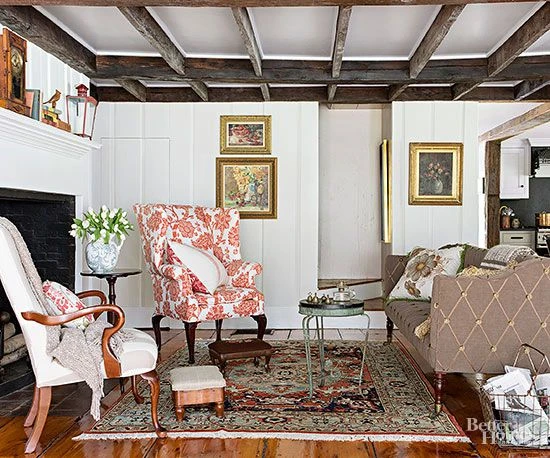
LittleCozyDen.com – warm cottage interiors in 2026 are defined by a refined embrace of natural textiles and layered textures that blend vintage charm with contemporary comfort. Leading trends focus on the strategic use of linen, cotton, and wool fabrics alongside gingham and floral tapestry patterns, creating spaces that feel both inviting and timeless. These textiles, combined with natural fiber rugs made from jute and sisal, as well as tactile rattan and wicker furnishings, establish a cozy, earthy ambiance anchored in olive greens, moss tones, soft blues, and warm reds. This synergy of materials and hues reflects the evolving cottagecore aesthetic, where sustainability and authentic craftsmanship meet functional design.
The resurgence of cottage-style interiors integrates traditional English cottage influences with modern sensibilities, emphasizing softness and texture layering. Brands like Hale Mercantile Co., Libeco Linen Textiles, and IKEA’s cottage-style collection illustrate this trend by offering carefully curated textile options that cater to both aesthetic appeal and practical durability. This article explores the key textile materials, pattern trends, and styling techniques dominating warm cottage interiors in 2026, providing a comprehensive guide for enthusiasts and shoppers alike.
Natural Fibers as the Foundation of Cozy Interiors
Linen, cotton, and wool form the backbone of textile choices for warm cottage interiors, prized for their natural origins, tactile qualities, and versatility. Linen stands out for its soft yet structured drape, making it an ideal fabric for curtains, sofa slipcovers, and bedding. Its breathable properties and natural luster lend a relaxed elegance that complements rustic interiors without sacrificing refinement. Libeco Linen Textiles, renowned for high-quality Belgian linen, exemplifies this by offering durable yet luxurious fabrics that age beautifully over time.
Cotton remains a staple due to its breathability and adaptability across various applications. From cushions and quilts to table linens, cotton’s ease of care and comfort make it a preferred choice for everyday cottage living. The fabric’s compatibility with printed patterns, especially gingham and floral motifs, enhances its decorative versatility. Modern cotton blends also offer improved wrinkle resistance, aligning with the practical demands of contemporary households.
Wool introduces necessary warmth and texture, particularly in throws and area rugs. Its insulating properties are essential for seasonal layering in cooler months, adding a tactile depth that balances lighter linen and cotton elements. Natural fiber rugs made from wool or combined with jute and sisal contribute to the grounded, earthy feel synonymous with cottage interiors. These materials also support eco-conscious design choices, increasingly prioritized by consumers in 2026.
Trending Patterns and Textural Accents
Pattern plays a pivotal role in reinforcing the cottagecore identity. Gingham, with its straightforward checked design, has experienced a pronounced revival, especially in cushions, throws, and curtains. Its nostalgic yet fresh aesthetic harmonizes with both casual and more polished cottage interiors, offering a pattern that balances simplicity with charm. The color variations in gingham—from muted earth tones to classic reds and blues—allow for flexible integration across different rooms.
Floral tapestry textiles, reminiscent of vintage upholstery, impart personality and historical depth. These richly textured fabrics often adorn pillows and occasional chairs, creating focal points that evoke handcrafted artistry. The revival of floral tapestry aligns with a broader interest in heirloom-quality textiles and sustainable sourcing, as many cottage decorators seek to incorporate antiques or reproduction pieces that tell a story.
Layering natural textures enhances the sensory experience of cottage interiors. Rattan and wicker baskets serve practical storage needs while contributing organic shapes and tactile contrast. These materials, often handwoven, echo traditional craftsmanship and provide warmth beyond mere color. natural fiber rugs crafted from jute and sisal complement these woven accents by adding durable floor coverings with a rough-hewn aesthetic that contrasts well against softer textiles like wool throws and linen curtains.
Color Palettes and Textile Coordination
The color schemes dominating warm cottage interiors in 2026 emphasize earthy and muted tones that evoke the natural landscape. Olive greens and mossy hues provide a verdant base, while soft blues and warm reds introduce subtle variation and depth. These colors are most effective when applied through textiles, allowing for seasonal updates and layering without overwhelming the space.
Combining patterned textiles with solids remains a key strategy for visual balance. For example, a gingham cushion in olive green pairs well with a solid linen throw in beige or soft blue, preventing pattern fatigue while maintaining cohesive warmth. Floral tapestry pillows often incorporate multiple colors from the palette, enabling them to unify disparate elements within a room. Slipcovers in neutral linen or cotton facilitate functional swaps that refresh the overall color story with minimal effort.
Practical Tips for Styling and Maintaining Cottage Textiles
Slipcovers are indispensable for maintaining fresh, adaptable interiors. Linen and cotton slipcovers on sofas and chairs allow for easy cleaning and seasonal style changes, a practical necessity given the casual nature of cottage living. Layering cushions and throws encourages textural richness and comfort; mixing gingham cushions with wool throws and floral tapestry pillows creates a curated yet uncontrived look.
Incorporating antique or inherited textiles adds authenticity, supporting the cottagecore ethos of sustainability and storytelling. These pieces often require delicate care, and their integration benefits from complementary modern textiles to ensure functionality without compromising style.
natural fibers demand specific maintenance to preserve their texture and longevity. Linen and cotton are best washed in cool water with gentle detergents to prevent shrinkage and maintain softness. Wool throws and rugs require professional cleaning or careful spot treatment to avoid felting. Using peel-and-stick paint samples, such as those from Samplize, allows decorators to experiment with color coordination around textiles without committing to full room repaints, making it easier to harmonize walls with fabric tones.
Product and Brand Highlights

Hale Mercantile Co. exemplifies the blend of vintage-inspired and modern cottage textiles, offering collections that focus on natural fibers and traditional patterns. Their linen curtains and gingham cushions reflect the tactile layering central to warm cottage interiors. Libeco Linen Textiles brings Belgian craftsmanship to the forefront, renowned for sustainable linen fabrics prized by interior designers for their texture and durability.
IKEA’s cottage-style collection has expanded in 2026 to include affordable linen and cotton textiles that replicate the aesthetic of high-end brands while maintaining accessibility. Their natural fiber rugs and slipcovered furniture pieces provide entry points for those seeking to adopt cottagecore style without extensive renovation.
Integrating vintage side tables, floral tapestry pillows, and handwoven baskets from local artisans further personalizes interiors. This fusion of curated modern and vintage elements aligns with the trend toward casual elegance, where comfort is paramount but style is never compromised.
| Textile | Key Characteristics | Common Uses | Maintenance Tips | Notable Brands |
|---|---|---|---|---|
| Linen | Soft drape, breathable, natural luster | Curtains, slipcovers, bedding | Cool water wash, gentle detergent, avoid bleaching | Libeco Linen Textiles, Hale Mercantile Co. |
| Cotton | Breathable, versatile, easy care | Cushions, quilts, table linens | Machine washable, low-heat drying | IKEA, Hale Mercantile Co. |
| Wool | Warm, textured, insulating | Throws, area rugs | Professional cleaning, spot treatment | Local artisan rugs, specialty brands |
| Natural Fibers | Durable, textural, eco-friendly | Rugs, baskets, accent furniture | Vacuum regularly, spot clean | IKEA, artisan producers |
FAQ

What are the best fabrics for warm cottage interiors in 2026?
Natural fibers such as linen, cotton, and wool are preferred for their breathability, texture, and durability. Linen works well for curtains and slipcovers, cotton for cushions and quilts, and wool for throws and rugs, providing warmth and layered texture.
How can I incorporate gingham and floral tapestry patterns into my cottage decor?
Gingham is typically used in cushions, throws, and curtains to add a timeless yet fresh pattern. Floral tapestry fabrics work well as accent pillows or upholstery pieces, adding vintage charm and visual interest. Pairing these patterns with solid-colored textiles helps maintain balance.
Are natural fiber rugs practical for cottage interiors?
Yes, rugs made from jute, sisal, or wool add texture and warmth. They are durable and complement layered textile looks. Regular vacuuming and spot cleaning are recommended to maintain their appearance.
What are effective ways to update cottage interiors seasonally using textiles?
Using slipcovers and layering pillows and throws allows easy seasonal updates. For example, swapping lighter linen slipcovers and cotton cushions in summer for wool throws and warmer hues in winter refreshes the look without major changes.
Which brands offer quality textiles suitable for cottage-style interiors?
Brands such as Hale Mercantile Co. and Libeco Linen Textiles specialize in natural, high-quality fabrics with cottage appeal. IKEA’s cottage-style collection offers accessible options with natural fibers and patterns that fit the trend.
Natural textiles and thoughtful layering will continue to define warm cottage interiors beyond 2026. As consumers prioritize sustainability and authenticity, sourcing materials from reputable brands and incorporating heirloom pieces will remain essential strategies. Future developments may see increased adoption of eco-friendly textile innovations and smart care solutions that enhance longevity while preserving the tactile qualities cherished in cottagecore design.
For detailed insights on current cottagecore interior trends, visit Homedit’s Cottagecore Interior Trends. Additional inspiration and practical advice can be found at Decor Furnist’s Cottage Style Decor Guide.