
LittleCozyDen.com – Outdoor activities play a pivotal role in fostering family bonding, enhancing children’s physical health, and promoting cognitive development. Engaging families in nature-based recreational programs and backyard adventures has proven benefits, ranging from improved social-emotional skills to environmental stewardship. Families seeking practical, enjoyable, and educational outdoor activities can leverage accessible options like backyard camping, nature crafts, obstacle courses, and exploration games to create meaningful experiences without significant expense or travel.
Research from organizations such as the National Wildlife Federation highlights that outdoor play is essential for children’s physical fitness and mental well-being, while also nurturing creativity and a connection to the environment. This article explores a variety of outdoor activities tailored for families, emphasizing safety, educational value, and inclusivity for different age groups. It further examines regional opportunities, such as Colorado’s community parks and trails, that support active family lifestyles, and provides expert guidance on integrating these activities into daily routines to cultivate lifelong healthy habits.
Engaging Outdoor Activities for Families
Backyard camping offers families the excitement of an outdoor adventure combined with the safety and convenience of home. Setting up tents in the backyard encourages children to experience nature firsthand, including observing nocturnal wildlife and stargazing. This activity requires minimal equipment—just a tent, sleeping bags, and basic camping gear—and can be enhanced with storytelling or simple outdoor cooking. Research indicates that backyard camping fosters independence and curiosity while maintaining parental oversight.
Nature crafts are highly effective in engaging children’s creativity and environmental awareness. Families can create bird feeders using recycled materials and bird seed, which supports local wildlife while teaching responsibility. Collecting natural items such as leaves, twigs, and rocks for making collages or rock collections invites tactile exploration and scientific observation. These crafts serve as informal STEM activities, encouraging problem-solving and fine motor skills development. For example, constructing a bird feeder involves understanding bird diets and habitat needs, integrating biology into hands-on play.
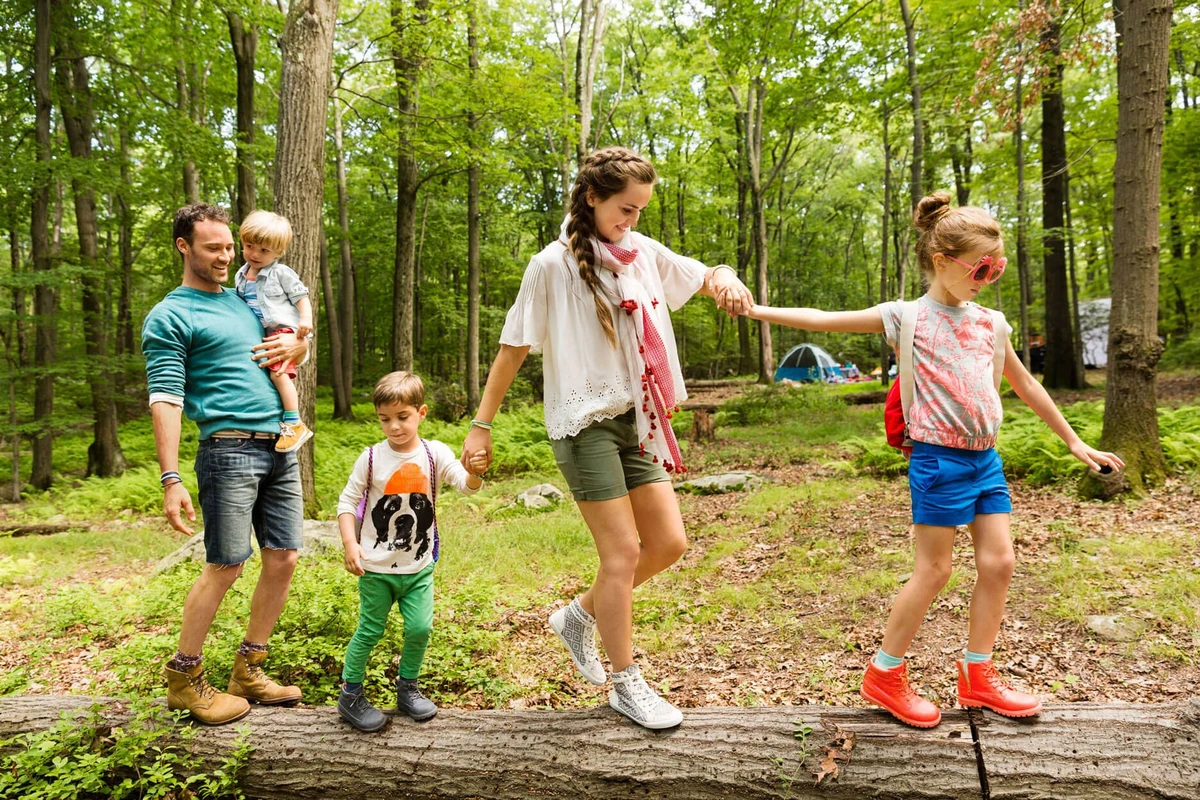
Active games like obstacle courses utilize household and natural materials to promote physical exercise and motor coordination. Creating courses with cones, ropes, and tree branches in parks or backyards challenges children to develop agility and balance. Incorporating elements such as crawling under branches or hopping over rocks simulates natural terrain, enhancing outdoor fitness. These games have been linked to improved cardiovascular health and social skills when played in groups, as children learn cooperation and healthy competition.
Exploration activities engage families in nature observation, fostering curiosity about local ecosystems. Puddle hunts after rainstorms reveal aquatic insects and plant life, while bug observations introduce entomology basics. Wildlife spotting in community parks or along Colorado trails offers opportunities to identify birds, mammals, and butterflies. These activities encourage patience and attention to detail, essential skills for cognitive development. They also instill environmental stewardship by connecting children to the living world around them.
Simple outdoor fun includes picnics, outdoor reading sessions, and building forts from natural materials or household items. Picnics provide a relaxed setting for family interaction and exposure to fresh air, which has been shown to reduce stress and improve mood. Reading outside combines literacy development with sensory stimulation, while fort building enhances creativity and teamwork. These low-cost activities require minimal preparation but yield substantial benefits for family cohesion and child development.
Educational and Developmental Benefits of Outdoor Family Activities
Physical fitness is a primary benefit of active outdoor play. Engaging in obstacle courses, hiking, or backyard camping increases cardiovascular endurance, muscle strength, and coordination in children. According to the National Wildlife Federation, children who spend more time outdoors exhibit lower rates of obesity and enhanced immune function. Regular physical activity in varied outdoor environments also supports motor skills refinement and reduces sedentary behavior linked to digital device overuse.
Cognitive and social-emotional development are significantly enhanced through nature-based STEM activities. For instance, constructing bird feeders or nature collages introduces scientific concepts such as ecology, biology, and environmental cycles. These hands-on projects stimulate critical thinking and observational skills. Social-emotional benefits arise from cooperative play and shared problem-solving, which foster communication, empathy, and resilience. Studies show that outdoor learning environments improve attention spans and reduce symptoms of anxiety and depression in children.
Environmental stewardship emerges naturally when families participate in activities like trash pick-up during hikes or wildlife observation. Children learn the impact of human actions on ecosystems and develop a sense of responsibility for conservation. Community programs often integrate educational components explaining local flora and fauna, reinforcing sustainable behaviors. Parents modeling environmental care during these activities promote lifelong stewardship values in their children.
Regional and Community Outdoor Options for Families
Colorado’s diverse landscape offers numerous family-friendly parks and trails suitable for outdoor activities. Denver’s City Park provides playgrounds, picnic areas, and accessible hiking trails, making it ideal for families with children of various ages. The Colorado Trail extends over 485 miles, offering sections suitable for family day hikes that include wildlife spotting and nature study. Local greenhouses and nature centers often host educational programs and workshops that complement outdoor exploration.
Community recreational programs provide structured opportunities for family engagement in outdoor physical activities. Many public parks organize seasonal events such as family fun runs, nature scavenger hunts, and outdoor STEM workshops. These programs support family health by promoting active lifestyles and social interaction. Incorporating outdoor activities into corporate social responsibility initiatives has also become more common, with companies sponsoring community park improvements and family wellness events.
Families can enhance their outdoor experiences by utilizing local resources such as bird seed for feeders, camping gear rentals, and natural materials collected responsibly from the environment. Combining these assets with regional knowledge ensures safe and enriching activities. For example, parents can prepare children for hikes by teaching trail safety and wildlife respect, crucial for positive outdoor experiences.
Practical Tips for Families to Maximize Outdoor Time

Low-cost and accessible outdoor activities ensure inclusivity across socioeconomic backgrounds. Using household items for obstacle courses or nature crafts reduces financial barriers. Additionally, selecting nearby parks or backyard spaces minimizes transportation needs and time constraints. Parents can adapt activities based on children’s ages and interests, ensuring age-appropriate challenges and engagement.
Safety considerations are paramount when planning outdoor family activities. Proper supervision during camping or obstacle courses prevents injuries, while educating children on wildlife and plant safety promotes awareness. Weather-appropriate clothing, hydration, and sun protection are essential to safeguard health. Preparing for emergencies with basic first aid knowledge enhances parental confidence and child safety.
Encouraging consistent outdoor time establishes healthy routines that benefit long-term physical and mental well-being. Scheduling regular family outdoor sessions, such as weekend hikes or evening backyard camps, increases participation. Integrating educational elements sustains children’s interest and learning motivation. Parents who model enthusiasm for outdoor activities are more likely to instill positive attitudes toward nature in their children.
| Activity | Benefits | Required Materials | Recommended Ages |
|---|---|---|---|
| Backyard Camping | Develops independence, boosts family bonding, introduces nature observation | Tent, sleeping bags, basic camping gear | 3 years and older |
| Nature Crafts (Bird Feeders, Collages) | Enhances creativity, teaches environmental awareness, develops fine motor skills | Natural materials, recycled containers, bird seed | 4 years and older |
| Obstacle Courses | Improves physical fitness, coordination, teamwork skills | Household items, natural materials like sticks and rocks | 5 years and older |
| Exploration Activities (Puddle Hunts, Wildlife Spotting) | Stimulates curiosity, cognitive development, environmental stewardship | Outdoor clothing, binoculars (optional) | All ages |
| Picnics and Outdoor Reading | Promotes relaxation, family interaction, literacy skills | Food, blankets, books | All ages |
FAQ

What are some easy outdoor activities families can do at home?
Families can engage in backyard camping, nature crafts such as building bird feeders and making collages, obstacle courses using household items, and simple picnics or outdoor reading sessions. These activities require minimal materials and offer educational and physical benefits.
How do outdoor activities benefit children’s development?
Outdoor activities enhance physical fitness, improve motor skills, promote cognitive growth through nature-based STEM learning, and support social-emotional development by encouraging cooperation, creativity, and environmental responsibility.
Are there affordable outdoor activities suitable for all ages?
Yes, many outdoor activities like puddle hunts, rock collections, and nature observation are low-cost and adaptable for all age groups. Utilizing natural materials and local parks reduces expenses while maintaining engagement and educational value.
What safety precautions should families take during outdoor play?
Families should supervise children appropriately, use weather-appropriate clothing, apply sunscreen, ensure hydration, and educate children about local wildlife and plant safety. Having a basic first aid kit and knowledge of emergency response is also recommended.
Where can families find community outdoor programs and family-friendly trails?
Local parks, nature centers, and recreational departments often offer family-oriented outdoor programs. In Colorado, venues like Denver’s City Park and sections of the Colorado Trail provide accessible hiking and educational opportunities. Community websites and travel guides are reliable information sources.
Outdoor family activities that combine adventure, learning, and physical exercise contribute significantly to children’s health and familial relationships. Emphasizing accessible, safe, and engaging options such as backyard camping, nature crafts, and exploration nurtures a lifelong appreciation for the outdoors. Regional resources and community programs further support families in integrating these activities into their routines. Moving forward, expanding public investment in family-friendly recreational spaces and educational outdoor programming will be essential to sustain these benefits and promote environmental stewardship among younger generations.
For additional inspiration and activity ideas, families can explore resources such as the TFi Family guide to spring outdoor activities and Bright Horizons’ article on fun outdoor activities for families.