
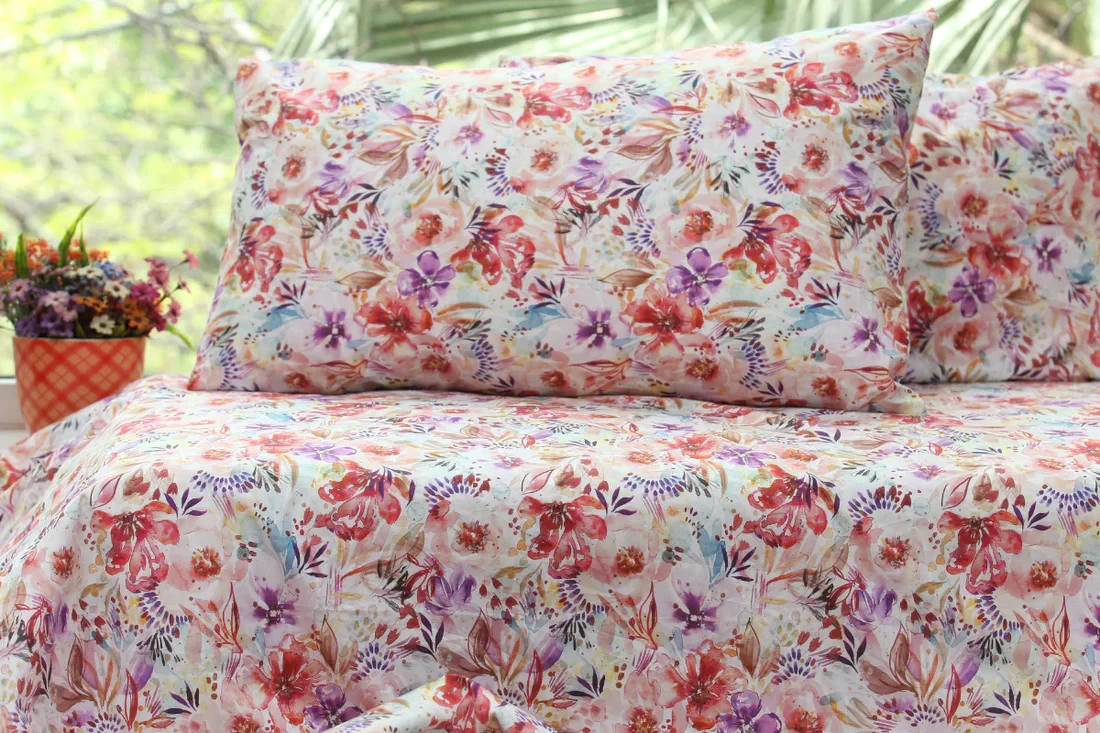
LittleCozyDen.com – eco-friendly textiles for home use combine durability, comfort, and sustainability, addressing growing consumer demand for non-toxic, environmentally responsible fabrics. Leading materials such as organic cotton, bamboo, linen, and TENCEL lyocell distinguish themselves not only through their sustainable cultivation and production practices but also by meeting rigorous certification standards like OEKO-TEX and GOTS. These certifications ensure textiles are free from harmful substances, supporting healthier indoor environments and minimizing ecological footprints.
The textile industry’s environmental impact is significant, with conventional cotton cultivation consuming substantial water and pesticide inputs, and synthetic fibers contributing to microplastic pollution. In contrast, eco-friendly fibers utilize renewable resources, biodegradable properties, and circular economy principles to reduce waste and pollution. Brands such as Coyuchi exemplify sustainable home textiles by integrating circularity programs that reclaim and recycle end-of-life products, further mitigating environmental harm.
Core Eco-Friendly Textile Materials
Organic cotton is prominent in sustainable home textiles due to its natural cultivation without synthetic pesticides or fertilizers, aligning with certifications from organizations such as the USDA National Organic Program and Fairtrade USA. Organic cotton farming reduces water usage by up to 91% compared to conventional methods and improves soil health through crop rotation. The fabric’s softness, breathability, and durability make it ideal for bedding and towels, while OEKO-TEX certification guarantees the absence of harmful chemicals, ensuring safer consumer products.
Bamboo textiles offer several sustainability advantages, including rapid growth without fertilizers and natural antimicrobial properties. However, the environmental benefits depend heavily on the manufacturing process. Mechanically processed bamboo linen is biodegradable and eco-friendly, while chemically processed bamboo viscose can involve toxic solvents unless produced under closed-loop systems like TENCEL’s lyocell process. The latter, developed by Lenzing AG, uses renewable energy and FSC-certified wood pulp, resulting in fibers that balance sustainability with softness and moisture-wicking capabilities.
Linen, derived from flax plants, stands out for minimal water and pesticide requirements, alongside natural biodegradability. Linen’s strong fibers provide excellent durability, often outlasting cotton fabrics in longevity tests, and its breathability enhances thermal regulation, keeping users cool in summer and warm in winter. Linen’s coarse texture softens with use and washing, contributing to comfort over time. OEKO-TEX certification is common among premium linen products, confirming their chemical safety.
TENCEL lyocell represents an innovative closed-loop fiber technology that recycles solvents during production, significantly reducing environmental toxicity compared to traditional viscose. Lenzing AG’s commitment to renewable energy use and sustainable forest sourcing underpins TENCEL’s eco-credentials. TENCEL lyocell fabrics are prized for their silky texture, moisture absorption, and biodegradability, making them suitable for soft, breathable bedding and home textiles.
Certifications and Standards Ensuring Safety and Sustainability
Certifications play a pivotal role in validating the sustainability and safety of eco-friendly textiles. OEKO-TEX Standard 100 is a globally recognized certification that tests for over 100 harmful substances, ensuring consumer products do not contain toxic chemicals. The Global Organic Textile Standard (GOTS) goes further by verifying organic fiber content (minimum 70%), ecological and social criteria throughout the supply chain, including water treatment and fair labor practices.
Forest Stewardship Council (FSC) certification applies to wood-based fibers like TENCEL lyocell, ensuring raw materials originate from responsibly managed forests that preserve biodiversity and community rights. The Textile Exchange promotes transparent supply chains and sustainable fiber standards, influencing corporate sustainability strategies. These certifications enable consumers to identify textiles that align with health and environmental values, minimizing exposure to hazardous substances common in conventional fabrics.
Durability and Comfort of Sustainable Fabrics
Comparative studies of fabric durability highlight linen’s superior tensile strength and abrasion resistance compared to cotton, enabling longer product life cycles. organic cotton maintains comparable durability to conventional cotton but with added environmental benefits. Blends incorporating sustainable fibers like TENCEL lyocell enhance softness and moisture management without compromising strength.
Breathability is critical for home textiles, impacting indoor air quality and thermal comfort. Linen and organic cotton excel in moisture wicking and air permeability, while bamboo and TENCEL lyocell offer natural antimicrobial properties that reduce odors and microbial growth. Fabric finishes, such as percale weave in cotton or brushed cotton, enhance texture and insulation, providing cozy, warm bedding options without synthetic insulation materials.
Sustainable Textile Brands and Circular Economy Initiatives
Coyuchi is a market leader in sustainable home textiles, integrating organic cotton, linen, and TENCEL lyocell into their product lines. Their circularity programs include take-back initiatives where customers return used textiles for recycling or upcycling, reducing landfill waste. Coyuchi’s transparency reports detail their sourcing, manufacturing processes, and carbon footprint reductions, setting benchmarks for industry sustainability.
Other notable brands include SOL Organics, known for USDA-certified organic cotton bedding, Boody’s bamboo-based textiles with OEKO-TEX certification, and Cozy Earth’s signature TENCEL lyocell sheets. These brands emphasize renewable energy use, fair labor practices, and biodegradable packaging to complement the eco-friendliness of their textiles. Circular economy principles are gaining traction as brands adopt zero-waste cutting, textile recycling, and biodegradable fibers to close resource loops.
Emerging and Alternative Eco-Friendly Fibers
Alpaca wool is gaining attention as a sustainable animal fiber due to its low environmental impact and natural insulation properties. Alpacas require minimal grazing land and water, and their fleece is biodegradable and hypoallergenic. The fiber’s durability and softness make it suitable for blankets, throws, and luxury bedding.
ECONYL® regenerated nylon, produced from waste streams such as discarded fishing nets, offers a recycled synthetic option for textiles. While ECONYL® reduces virgin nylon demand and diverts ocean plastics, concerns remain regarding microplastic shedding during wash cycles. Innovations in textile manufacturing aim to mitigate this through improved fiber bonding and filtration technologies.
Zero-waste and hand-loomed fabrics represent artisanal approaches to sustainability, minimizing fabric offcuts and supporting local economies. These methods reduce energy consumption and chemical use compared to mass production, aligning with slow fashion and eco-friendly home decor trends.
Environmental and Health Implications of Textile Choices
Conventional textile production often involves toxic chemicals, including formaldehyde, azo dyes, and heavy metals, which pose health risks and contaminate water systems. Choosing OEKO-TEX or GOTS-certified textiles substantially reduces exposure to these substances, promoting healthier indoor environments.
Biodegradable fabrics prevent long-term pollution by decomposing naturally, contrasting with synthetic fibers that persist and contribute to microplastic pollution. Sustainable textiles also tend to require less water and energy, supporting climate change mitigation goals. Consumers adopting eco-friendly textiles support systemic shifts toward more responsible manufacturing and resource stewardship.
Practical Tips for Choosing and Caring for Eco-Friendly Textiles
Identifying certified sustainable textiles involves looking for labels such as OEKO-TEX, GOTS, FSC, and USDA Organic. Transparent brands provide detailed information about fiber origins, production processes, and environmental commitments, enabling informed purchasing decisions.
Extending the lifespan of eco-friendly textiles enhances their sustainability impact. Gentle washing with mild detergents, avoiding bleach, and air drying reduce fiber degradation. Repairing minor damage and repurposing worn textiles through recycling programs help close material loops. Proper care maintains fabric breathability, softness, and durability, maximizing consumer value and ecological benefits.
FAQ

What makes TENCEL lyocell a sustainable fabric choice for home textiles?
TENCEL lyocell is produced by Lenzing AG using a closed-loop process that recycles solvents and relies on FSC-certified wood pulp and renewable energy. Its biodegradable fibers offer softness, moisture management, and reduced environmental impact compared to conventional viscose.
How does OEKO-TEX certification ensure textile safety?
OEKO-TEX Standard 100 tests textiles for over 100 harmful chemicals, including heavy metals and pesticides. Certified products guarantee consumer safety by adhering to strict limits on toxic substances, promoting non-toxic, skin-friendly home textiles.
Are bamboo fabrics always eco-friendly?
Bamboo’s sustainability depends on the manufacturing method. Mechanically processed bamboo linen is eco-friendly and biodegradable, while chemically processed bamboo viscose can involve toxic chemicals unless produced via closed-loop systems like TENCEL lyocell.
What are the environmental benefits of using linen for home textiles?
Linen requires minimal water and pesticides during flax cultivation, is highly durable, and naturally biodegradable. Its breathability supports indoor air quality, and its longevity reduces textile waste over time.
How do circular economy initiatives benefit sustainable home textile brands?
Circular programs reduce textile waste by reclaiming, recycling, or upcycling used products. This decreases landfill contributions, conserves resources, and supports closed-loop production, enhancing brand sustainability and consumer engagement.
Eco-friendly textiles are transforming the home environment by combining comfort with conscientious resource use. As brands innovate with certifications, circular programs, and novel fibers, consumers gain access to durable, breathable, and non-toxic options that align with health and environmental priorities. Increasing awareness and adoption of these textiles contribute to broader sustainability goals and foster a healthier indoor living experience.
For further insights on sustainable home textiles and certification details, visit LetsGoGreen on Sustainable Home Textiles and Ecocult’s Guide to Eco-Friendly Bedding.