
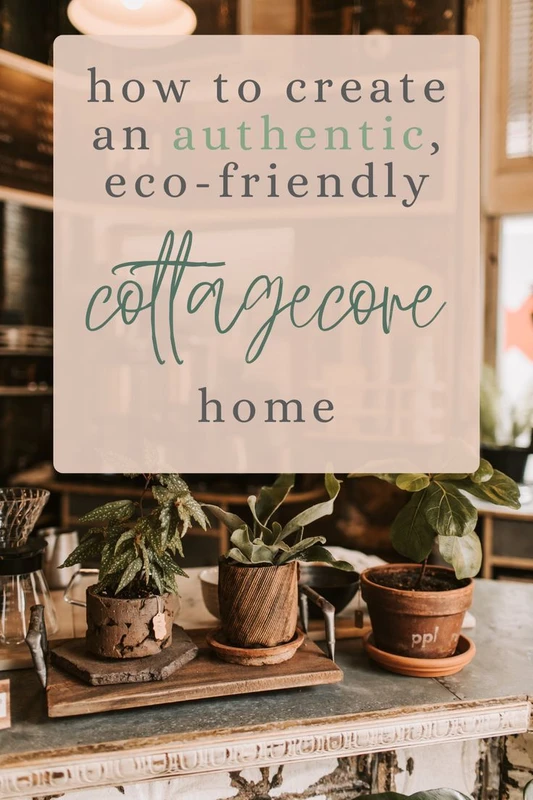
LittleCozyDen.com – Adopting an eco-friendly lifestyle within a cottage environment requires a strategic blend of energy conservation, sustainable materials, water management, and mindful consumption. Utilizing energy-efficient appliances such as LED lighting, modern refrigerators, and washing machines can lower electricity consumption significantly, with LED bulbs alone cutting lighting energy use by up to 80% compared to incandescent bulbs. Incorporating renewable energy systems, including solar panels and electric vehicle charging points, further reduces reliance on fossil fuels, with solar installations providing up to 70% of a typical cottage’s energy demand in optimal conditions. Passive solar design principles—such as south-facing windows, thermal mass floors, and strategic shading—enhance natural heating and cooling, decreasing the need for artificial climate control and lowering carbon footprints.
Sustainable materials play a vital role in eco-friendly cottage living by reducing waste and environmental impact over time. Choosing durable, locally sourced woods, reclaimed timber, and non-toxic finishes extends the lifecycle of fixtures and furniture, minimizing replacement frequency and landfill waste. Interior design aligned with the cottagecore aesthetic often includes natural fabrics like organic cotton and linen, alongside elements such as woven baskets and glass jars, which replace plastic containers and reduce single-use waste. These choices not only support sustainability but also foster a harmonious, nature-inspired ambiance.
Natural cleaning products offer a powerful alternative to conventional chemical cleaners that often contain harmful substances detrimental to both human health and ecosystems. Ingredients like baking soda, white vinegar, and citrus-based sprays effectively disinfect and deodorize without contributing to indoor air pollution or contaminating water systems. The use of eco-friendly sunscreens devoid of oxybenzone and octinoxate protects aquatic environments, particularly coral reefs, by preventing toxic chemical runoff. Embracing these natural solutions aligns with broader environmental goals while promoting healthier living spaces.
water conservation in cottage settings is critical due to often limited local water infrastructure. Rainwater harvesting systems capture precipitation through rooftop gutters into storage tanks, providing a sustainable water source for irrigation, toilet flushing, and even laundry. Implementing low-flow fixtures, water-efficient appliances, and mindful usage behaviors can reduce water consumption by 30-50%. These measures not only conserve freshwater but also mitigate stormwater runoff, reducing erosion and preserving local aquatic habitats.
Reducing waste through comprehensive recycling and composting programs is essential to minimize landfill contributions. Replacing disposable plastic bags with reusable baskets and cloth bags limits plastic pollution. Organic waste composting transforms kitchen scraps and garden clippings into nutrient-rich soil amendments, closing the loop on organic matter management. Providing clear recycling options for both residents and visitors encourages responsible disposal behaviors, fostering a community-wide culture of sustainability.
Supporting local and organic food sources strengthens ecological resilience and reduces carbon emissions associated with long-distance food transportation. Purchasing from nearby farms ensures fresher produce with fewer preservatives, while organic farming practices promote soil health, biodiversity, and lower pesticide use. Integrating seasonal, organic ingredients into cottage meals exemplifies a sustainable lifestyle that benefits both individual well-being and the environment.
For holiday cottages, promoting eco-friendly guest practices enhances the sustainability of short-term stays. Informing visitors about energy-saving measures, waste sorting, and water conservation through clear signage and welcome guides encourages responsible behaviors. Providing eco-friendly amenities such as biodegradable soaps, refillable dispensers, and accessible recycling bins supports guests in reducing their environmental impact during their visit. These initiatives not only lessen operational footprints but also elevate the cottage’s reputation among environmentally conscious travelers.
Energy Efficiency in the Cottage
Energy-efficient appliances form the backbone of sustainable cottage living. Modern refrigerators and washing machines with Energy Star certification consume 10-50% less energy than older models. LED light bulbs, which use up to 85% less electricity and last 25 times longer than incandescent bulbs, are standard recommendations for reducing household energy use. Behavioral adjustments, such as maximizing natural daylight by opening curtains and strategically placing mirrors, reduce dependence on artificial lighting. Unplugging electronics when not in use prevents “phantom loads,” which account for approximately 5-10% of household electricity consumption.
Renewable energy integration is increasingly feasible for cottages, with solar photovoltaic (PV) systems being the most accessible option. Small-scale solar arrays tailored to cottage roofs can offset a significant portion of electricity needs, particularly during sunnier months. Adding electric vehicle charging points supports transitions to low-carbon transportation, aligning with broader sustainability goals. passive solar design enhances energy conservation by utilizing building orientation, thermal mass, and window placement to regulate indoor temperatures naturally. Studies indicate that passive solar homes can reduce heating energy requirements by up to 40%, creating comfortable living environments with minimal mechanical intervention.
Sustainable Materials and Interior Design
Choosing sustainable materials reduces the environmental footprint of cottage construction and furnishing. Locally sourced hardwoods, bamboo, and reclaimed timber limit transportation emissions and promote forest stewardship. Low-VOC (volatile organic compound) paints and finishes improve indoor air quality while minimizing toxic chemical release. Incorporating natural fibers such as hemp, wool, and organic cotton into upholstery and textiles supports renewable agriculture and biodegradability.
Eco-friendly cottage decor embraces simplicity and functionality, often reflecting the cottagecore trend that values nature-inspired aesthetics. Woven baskets replace plastic storage containers, offering durability and biodegradability. Glass jars serve as multipurpose storage for dry goods, reducing packaging waste. Slipcovers in natural fabrics extend furniture life by allowing easy cleaning and style updates without replacing entire pieces. These design choices contribute to a sustainable, welcoming cottage atmosphere without compromising comfort or style.
Natural Cleaning and Personal Care
Conventional cleaning products frequently contain phosphates, ammonia, and synthetic fragrances that disrupt aquatic ecosystems and contribute to indoor air pollution. Natural alternatives like baking soda provide gentle abrasion and deodorization, while white vinegar dissolves mineral deposits and disinfects surfaces effectively. Citrus-based sprays, rich in limonene, offer antimicrobial properties and fresh scents derived from renewable plant sources. These ingredients are readily available, affordable, and safe for septic systems, making them ideal for rural cottages.
Personal care products, particularly sunscreens, require careful selection to prevent environmental harm. Chemical UV filters such as oxybenzone and octinoxate have been linked to coral bleaching and endocrine disruption in wildlife. Mineral-based sunscreens containing zinc oxide or titanium dioxide without nano-particles offer broad-spectrum protection with minimal ecological risks. Utilizing such products supports environmental preservation efforts critical to maintaining clean waterways near cottage areas.
Water Conservation Techniques
Rainwater harvesting captures runoff from rooftops into cisterns or barrels, providing an alternative water source that alleviates demand on municipal or well systems. Collected rainwater can irrigate gardens, reducing potable water use by up to 50% during growing seasons. Filtration systems ensure water quality for non-potable uses, and graywater recycling can further augment water efficiency by repurposing wastewater from sinks and showers for landscape irrigation.
Implementing water-efficient fixtures such as low-flow faucets, dual-flush toilets, and efficient showerheads reduces daily water consumption by approximately 20-30%. Behavioral changes including shorter showers, turning off taps during brushing, and fixing leaks contribute significantly to water savings. These efforts collectively preserve local water tables and protect aquatic habitats crucial to cottage ecosystems.
Waste Reduction and Recycling Practices
Plastic pollution presents a significant environmental threat, with single-use plastics persisting in ecosystems for centuries. Replacing plastic bags with woven baskets or reusable cloth bags cuts plastic waste dramatically. Composting organic waste prevents methane emissions from landfills and produces valuable soil amendments that enhance garden productivity.
Providing clearly labeled recycling bins facilitates proper sorting of paper, glass, metals, and plastics, increasing recycling rates and diverting materials from incineration or landfill. Participation in local compost programs or establishing on-site composting supports circular waste management practices. These initiatives foster sustainable habits that benefit both residents and the surrounding environment.
Supporting Local and Organic Food Sources
Locally sourced foods reduce carbon emissions associated with transportation and refrigeration, commonly called food miles. Purchasing from nearby farms supports regional economies and encourages sustainable agricultural practices. Organic farming avoids synthetic pesticides and fertilizers, promoting biodiversity and healthier soils.
Incorporating seasonal organic produce into cottage meals enhances nutritional value and taste while aligning with eco-friendly principles. Community-supported agriculture (CSA) programs offer direct connections between consumers and farmers, fostering transparency and environmental stewardship. These practices exemplify sustainable living beyond the home itself.
Encouraging Eco-Friendly Guest Practices in Holiday Cottages
Sustainable holiday cottage management involves educating guests on environmental best practices. Providing clear information on energy conservation, waste sorting, and water-saving measures encourages responsible behaviors that reduce the cottage’s operational footprint. Offering eco-friendly amenities such as biodegradable toiletries, refillable dispensers, and accessible recycling options supports guest participation in sustainability efforts.
Engaging guests in local conservation initiatives or sourcing products from local suppliers further integrates eco-conscious values into the holiday experience. These measures enhance guest satisfaction and position cottages competitively within the growing market of environmentally aware travelers.
FAQ
What are the most effective energy-saving appliances for cottages?
Energy Star-certified refrigerators, washing machines, and LED lighting stand out for their efficiency, offering 10-50% lower energy consumption compared to older models. Combining these with behavioral changes like unplugging unused electronics further maximizes savings.
How does passive solar design reduce energy needs in cottages?
Passive solar design uses building orientation, window placement, and thermal mass to harness natural sunlight for heating and cooling. This approach can cut heating energy requirements by up to 40%, reducing reliance on mechanical HVAC systems.
Can rainwater harvesting provide potable water for cottages?
Rainwater harvesting primarily supports non-potable uses such as irrigation and toilet flushing. With proper filtration and treatment, it can be made safe for drinking, but this requires compliance with local health regulations and system maintenance.
What natural cleaning products are safe and effective for cottages?
Baking soda, white vinegar, and citrus-based sprays are effective natural cleaners that avoid harmful chemicals. They disinfect, deodorize, and remove stains while minimizing environmental impact and protecting septic systems.
How can holiday cottage owners promote sustainable guest behavior?
Providing clear instructions on recycling, water conservation, and energy use, supplying eco-friendly amenities, and encouraging support for local organic products help guests reduce their environmental impact during their stay.
Living sustainably in a cottage setting demands intentional choices spanning energy, materials, water, waste, and food sourcing. Embracing energy-efficient technologies, renewable energy, sustainable materials, natural cleaning methods, water conservation, and local organic foods not only reduces environmental footprints but also enhances the quality and authenticity of cottage living. As sustainable practices become more accessible and cost-effective, cottages can serve as models for harmonious coexistence with nature, inspiring both residents and visitors alike.
For further expert insights on sustainable cottage living, see Minto’s guide to eco-friendly cottage life and Cornish Cottage Holidays’ tips on sustainable holiday homes.