
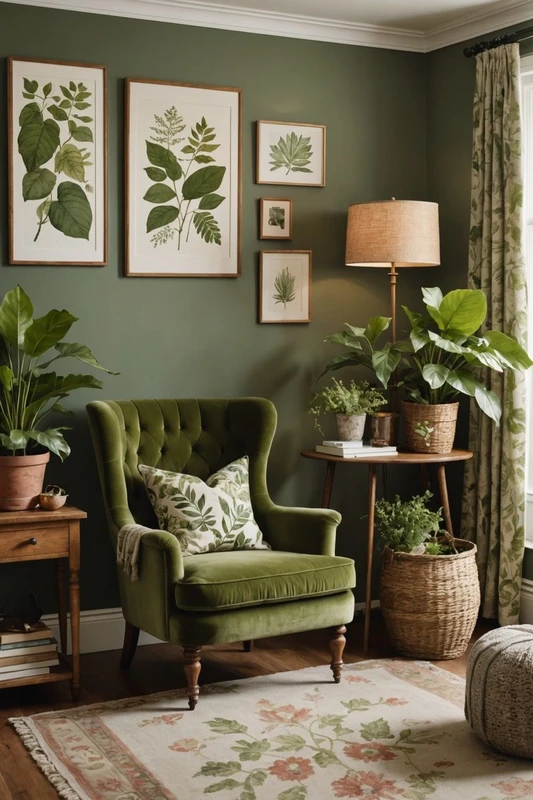
LittleCozyDen.com – sustainable cottage living combines eco-conscious building techniques, renewable energy, organic gardening, waste reduction, and smart home practices to create environmentally responsible rural dwellings that enhance both quality of life and ecological health. Integrating solar energy, biophilic design, native plant landscaping, and natural cleaning products into cottage environments offers measurable benefits such as lower utility bills, improved indoor air quality, and reduced carbon footprints. Builders like Rocky DiGiacomo and organizations such as AMC demonstrate how practical green solutions transform traditional cottage living into climate-smart, cost-effective lifestyles.
Adopting sustainable cottage living involves using energy-efficient appliances, recycling, and embracing biophilic principles that connect residents with nature through light and greenery. Organic gardening with native and drought-resistant plants not only reduces water use but supports local biodiversity. Natural cleaning sprays made from citrus peels and vinegar replace toxic chemicals, promoting healthier indoor environments. These strategies collectively contribute to a comprehensive green lifestyle tailored to the specific challenges and opportunities of cottages and rural homes.
Eco-Friendly Building and Design Techniques for Cottages
Modern sustainable cottages increasingly incorporate solar energy systems, which significantly reduce dependence on grid electricity. According to data from AMC Greenleaf Hut projects, cottages equipped with solar panels can see utility bills drop to as low as $45 per month. This reduction stems from efficient photovoltaic arrays sized appropriately for small homes and combined with energy conservation measures. Additionally, earth-sheltered homes, utilizing natural insulation from soil, reduce heating and cooling demands, optimizing energy performance in variable climates.
sustainable building materials play a critical role in minimizing environmental impact. Builders like Rocky DiGiacomo prioritize low-VOC (volatile organic compound) paints, recycled-content insulation, and sustainably harvested timber to improve indoor air quality and reduce embodied carbon. Such materials also contribute to healthier living spaces by limiting the off-gassing of harmful chemicals common in conventional construction.
biophilic design principles are integral to sustainable cottage architecture. Incorporating ample natural light through strategically placed windows reduces reliance on artificial lighting while enhancing occupant well-being. Indoor greenery, such as potted native plants, improves air quality by absorbing pollutants and increasing humidity. Research links biophilic elements with lower stress levels and greater cognitive function, making them especially valuable in secluded cottage settings where connection to nature is paramount.
Sustainable Gardening and Landscaping Practices
organic gardening in cottage environments directly reduces the carbon footprint associated with food production by eliminating synthetic fertilizers and pesticides. Home-grown vegetables and herbs, cultivated without chemical inputs, improve soil health and provide fresher produce. Ken Jaquith, client experience director at Veris Residential, emphasizes that integrating edible landscapes into cottage yards enhances food security while promoting sustainability.
Selecting native and climate-adapted plants for landscaping minimizes water consumption and maintenance needs. Native species are naturally resistant to local pests and diseases, reducing or eliminating the need for chemical treatments. Moreover, native plants support pollinators such as bees and butterflies, which are crucial for ecosystem health. Pollinator-friendly gardens contribute to biodiversity and foster resilient local environments.
Water-wise landscaping techniques, including mulching and drip irrigation, further optimize resource use. These methods conserve water while maintaining plant health, aligning with broader water conservation goals essential in many rural areas. In addition, composting organic waste from gardens enriches soil fertility, closes nutrient loops, and reduces landfill contributions.
Waste Reduction and Natural Cleaning Practices in Cottages
Recycling is a foundational element of sustainable cottage living. Proper segregation and disposal of waste materials prevent pollution and conserve resources. Many cottages benefit from community recycling programs or on-site composting systems. Reducing reliance on single-use plastics through reusable bags, baskets, and containers further decreases environmental burdens.
DIY natural cleaning sprays made from citrus peels, vinegar, and tea leaves provide effective, non-toxic alternatives to commercial chemical cleaners. Citrus peel sprays leverage natural oils with antimicrobial properties, while vinegar acts as a degreaser and disinfectant. These homemade solutions reduce indoor air pollution and limit exposure to harsh substances, enhancing household health without sacrificing cleanliness.
Avoiding plastic packaging and chemical-laden products aligns with zero-waste principles increasingly embraced in cottagecore and rural lifestyles. Such waste reduction strategies not only declutter living spaces but also lower carbon footprints by curtailing production and disposal emissions.
Energy Conservation and Smart Living in Cottage Homes
Energy-efficient appliances, such as ENERGY STAR-certified refrigerators, washing machines, and LED lighting, drastically cut electricity consumption in cottage settings. LED bulbs use up to 85% less energy than incandescent bulbs and have markedly longer lifespans, reducing both energy use and waste generation.
Behavioral adjustments complement technological upgrades. Simple actions like turning off lights when not in use, unplugging devices, and optimizing thermostat settings contribute to significant energy savings. In cottages, where space heating and cooling can account for large energy shares, insulating windows and sealing drafts also enhance efficiency.
Water-saving practices, including low-flow fixtures and rainwater harvesting, conserve vital resources. Sustainable irrigation with drip systems targets water delivery directly to roots, minimizing evaporation losses. Collectively, these measures align with climate-smart living by reducing resource consumption and environmental footprint.
Case Studies Demonstrating Sustainable Cottage Living
Rocky DiGiacomo’s work exemplifies the integration of green building and energy conservation. His eco-friendly cottages feature solar panels, recycled materials, and biophilic design elements that reduce utility costs and enhance occupant comfort. DiGiacomo’s projects highlight how combining traditional craftsmanship with modern sustainability techniques creates resilient homes suited for rural environments.
The AMC Greenleaf Hut stands as a model for solar-powered, zero-waste cottage living. Its design incorporates renewable energy, composting toilets, and water recycling systems, demonstrating practical applications of sustainability in a compact footprint. The hut’s success underscores the viability of off-grid, environmentally responsible rural dwellings.
Community discussions on platforms like Reddit’s cottagecore lifestyle forums reveal widespread adoption of green practices, from organic gardening to natural cleaning. These grassroots examples illustrate how individuals tailor sustainability principles to their unique cottage settings, fostering shared knowledge and innovation.
Forward-Looking Perspectives on Sustainable Cottage Living
As climate change intensifies, sustainable cottage living offers a replicable blueprint for reducing environmental impact while enhancing health and economic resilience. Future innovations may include advanced solar storage solutions, smart energy management systems, and expanded use of biophilic design to create restorative living environments.
Incremental adoption of green practices—starting with energy-efficient appliances and native plant gardens—can progressively transform traditional cottages into models of sustainability. Collaboration between builders, environmental organizations, and residents will accelerate this transition, ensuring that rural homes contribute positively to global climate goals without compromising lifestyle quality.
Practical next steps involve assessing existing cottage infrastructure, prioritizing renewable energy installations, and embracing locally adapted landscaping. These measures, supported by expert guidance from sustainable architecture firms and conservation groups, empower cottage dwellers to lead by example in environmental stewardship.
| Sustainable Practice | Environmental Benefit | Practical Example |
|---|---|---|
| Solar Energy Installation | Reduces carbon footprint, lowers utility bills | AMC Greenleaf Hut’s solar panels reduce electricity costs to ~$45/month |
| Biophilic Design | Improves air quality, reduces stress levels | Use of large windows and indoor native plants in Rocky DiGiacomo’s cottages |
| Native Plant Landscaping | Conserves water, supports pollinators | Ken Jaquith’s integration of drought-resistant, pollinator-friendly gardens |
| Natural Cleaning Sprays | Non-toxic, reduces indoor air pollution | DIY citrus peel and vinegar sprays replacing chemical cleaners |
| Energy-Efficient Appliances | Decreases electricity consumption | Use of ENERGY STAR-certified refrigerators and LED lighting |
FAQ
What are the most effective renewable energy options for cottages?
Solar photovoltaic panels remain the most accessible and cost-effective renewable energy solution for cottages, especially when combined with energy-efficient appliances and insulation. Small-scale wind turbines and micro-hydro systems may also be viable depending on location, but solar is widely applicable and increasingly affordable.
How can biophilic design improve cottage living?
Biophilic design enhances cottage living by maximizing natural light, incorporating indoor plants, and using natural materials, which collectively improve indoor air quality, reduce occupant stress, and strengthen connection to the surrounding environment. This design approach fosters healthier and more comfortable living spaces.
Are natural cleaning products as effective as commercial chemicals?
Yes, natural cleaning products made from citrus peels, vinegar, and tea leaves offer antimicrobial and degreasing properties suitable for most household cleaning tasks. While some specialized disinfecting may require stronger agents, natural alternatives significantly reduce toxic exposures and environmental contamination.
What native plants are recommended for sustainable cottage landscaping?
Recommended native plants vary by region but generally include drought-tolerant species adapted to local climate and soil conditions. Examples include coneflowers, black-eyed Susans, and milkweed in many temperate zones. Using native plants supports pollinators and reduces irrigation needs.
How can cottages reduce waste effectively?
Implementing recycling programs, composting organic waste, minimizing single-use plastics, and choosing reusable containers help cottages reduce waste. Educating residents about waste segregation and adopting zero-waste lifestyle principles further enhance waste reduction efforts.
For further detailed guidance on eco-friendly cottage living, refer to the Eco-Friendly Cottage Curb Appeal resource and the AMC’s sustainable lifestyle tips.
By embracing these integrated green practices, cottage residents can significantly reduce their environmental impact while enjoying healthier, more self-sufficient homes aligned with 2026 sustainability goals and beyond.